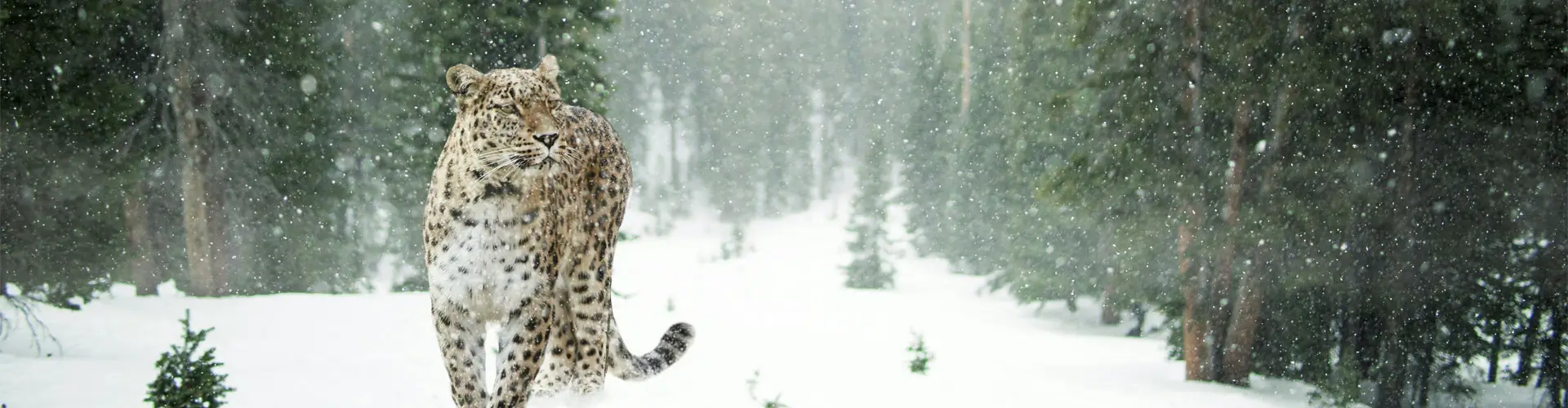
This expedition is designed for serious wildlife enthusiasts seeking one of the rarest sightings in the natural world. Set in the frozen valleys of Ladakh, the journey centres on tracking the elusive snow leopard within Hemis National Park, a landscape shaped by steep ridgelines, deep gorges, and extreme winter conditions. The setting itself demands patience, awareness, and respect for the terrain, making each day part of a broader wildlife narrative rather than a simple search.
Planned around altitude safety, winter weather patterns, and conservation-led tracking methods, the itinerary allows time for careful acclimatisation and methodical observation. Daily movements are structured to conserve energy while maximising visibility across known hunting zones. Comfortable high-altitude camps or village homestays provide warmth and recovery after long hours outdoors, while experienced local trackers bring invaluable knowledge of animal behaviour, seasonal movement, and subtle terrain indicators. Realistic pacing, safety planning, and community involvement define the character of this expedition-style journey, where understanding the ecosystem is as important as the sighting itself.
Upon arrival in Leh, you are transferred to your hotel for mandatory rest. At an altitude of approximately 3,500 metres, the first day is dedicated entirely to acclimatisation. Physical exertion is kept minimal, allowing the body to begin adjusting to reduced oxygen levels and cold desert conditions.
Later in the day, warm Ladakhi tea and light meals are served to support hydration and comfort. A short briefing introduces altitude protocols, winter conditions, and the tracking approach used during the expedition. The evening remains quiet, ensuring a smooth adjustment to the environment.
The second day continues acclimatisation with gentle movement around Leh. Short visits to nearby monasteries provide cultural context without physical strain. These sites reflect Ladakh’s spiritual traditions and offer panoramic views of the surrounding mountains.
Throughout the day, the focus remains on hydration, slow movement, and rest. Interaction with the expedition leader includes detailed discussions on snow leopard behaviour, prey patterns, and the role of local tracking teams. The evening is reserved for preparation and equipment checks.
After breakfast, you depart Leh by road toward Hemis National Park. The drive passes through stark mountain valleys, frozen streams, and isolated settlements, marking the transition from town life to wilderness terrain.
On arrival, you check into a high-altitude camp or traditional village homestay, depending on location and conditions. Later, you meet the snow leopard tracking team, comprised of local experts who understand the terrain, animal movement, and winter signs. A detailed orientation outlines daily routines and safety measures.
The first full tracking day begins early, with slow ascents to strategic vantage points overlooking valleys and ridgelines. Using spotting scopes and binoculars, trackers scan slopes where snow leopards are known to hunt.
Throughout the day, attention is given to indirect signs such as pugmarks, scat, and scrape marks. Blue Sheep and Ibex are frequently seen grazing along rocky cliffs, while occasional sightings of Tibetan Wolves add to the wildlife diversity. Even without a direct sighting, understanding terrain and behaviour becomes central.
The second tracking day builds on information gathered earlier. Movement patterns of prey species guide scanning locations, while fresh snowfall may reveal new tracks. The pace remains deliberate, conserving energy in thin air and cold temperatures.
Long observation sessions are broken by warm meals and rest periods. Trackers explain how snow leopards use ridgelines, shadows, and terrain for camouflage. The day reinforces patience as the most essential element of high-altitude wildlife tracking.
With acclimatisation improved, the search radius expands to higher viewpoints and deeper valleys. The terrain becomes more demanding, though movement remains controlled and carefully timed.
Extended scanning sessions increase chances of spotting distant movement along cliff faces. Even brief sightings require quick coordination between spotters and guides. The day often includes strong sightings of prey animals, reinforcing the ecological balance that supports snow leopard survival.
This day focuses heavily on interpreting fresh signs. Trackers assess overnight movement, wind direction, and weather patterns to predict likely leopard paths. Silent observation becomes crucial, with long periods spent watching a single slope or ridgeline.
The environment itself becomes part of the narrative—frozen rivers, shifting light, and absolute stillness. Whether a sighting occurs or not, the day offers deep immersion into Himalayan wilderness and predator ecology.
The final tracking day concentrates on locations with the highest accumulated signs. Early starts and late finishes maximise chances during low-angle winter light, when movement is more visible against snow.
Any sighting, whether distant or prolonged, is handled calmly to avoid disturbance. The day concludes with a closing discussion on conservation, human-wildlife coexistence, and the importance of community-led protection efforts in Ladakh.
After breakfast, you depart Hemis National Park by road back to Leh. The return journey offers time to reflect on the expedition, observations, and landscapes encountered over the past days.
On arrival in Leh, a hot shower and farewell dinner provide comfort and closure. Transfers are arranged for onward flights, concluding a demanding yet deeply rewarding high-altitude wildlife expedition.
Enquire now and connect with a dedicated Travel Expert who will respond within 24 hours to begin crafting your private journey.

Dev
Travel Expert
12+ yrs experience

Have a look at our original experiences and then contact us with your questions, or call +91-9351360903

Our Experts will send you a detailed holiday itinerary specified to your desires. It's our service promise to you.

Tailor-made doesn't mean expensive! Ask about our price promise and book with financial security.
Delhi - Haridwar - Rishikesh - Delhi
Shimla - Manali - Dharamshala - Dalhousie
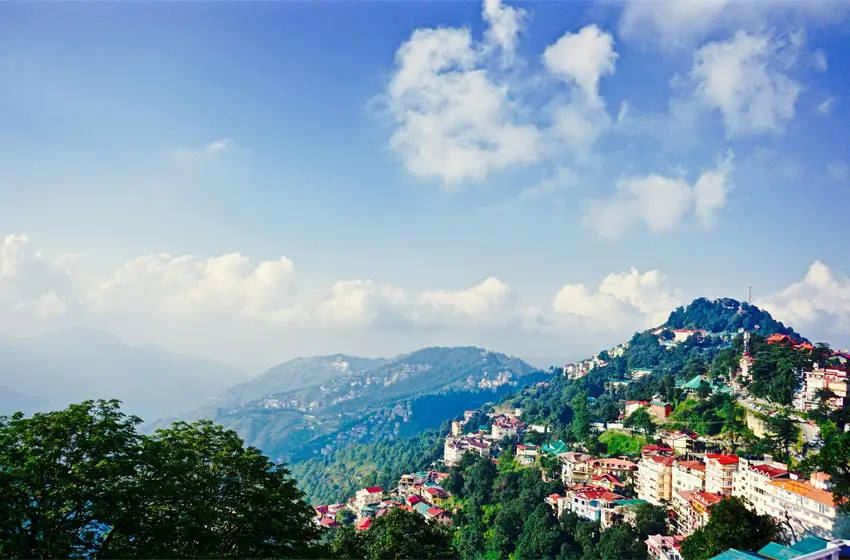
Chandigarh - Shimla - Sangla - Chitkul - Kalpa - Kaza - Chandratal - Manali
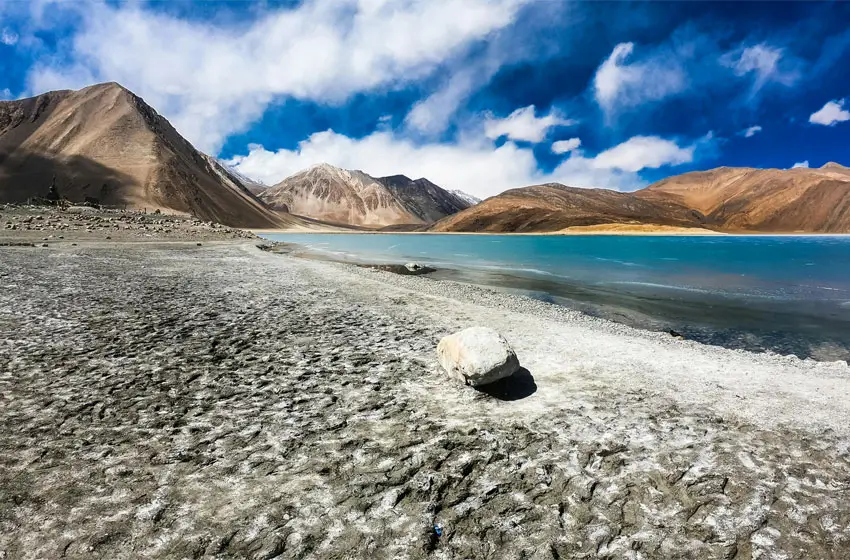
Leh - Nubra - Turtuk - Pangong - Leh
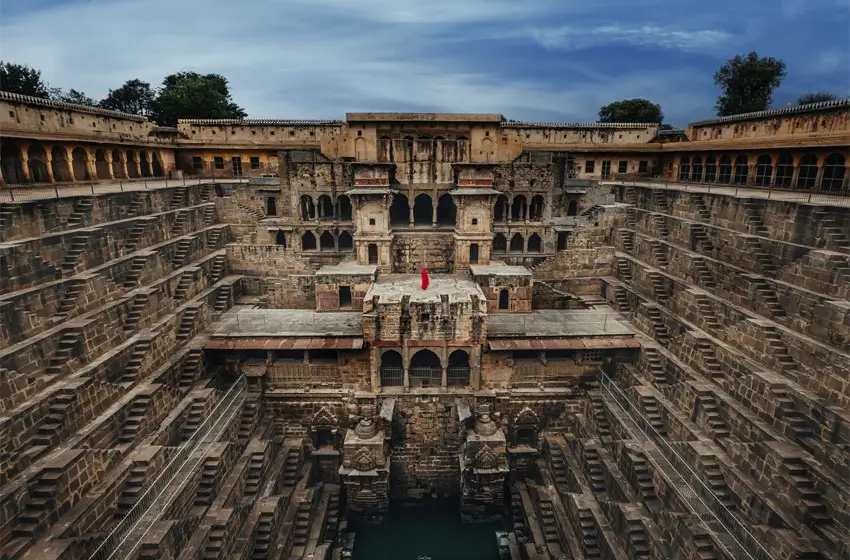
Delhi - Agra - Abhaneri - Jaipur - Delhi
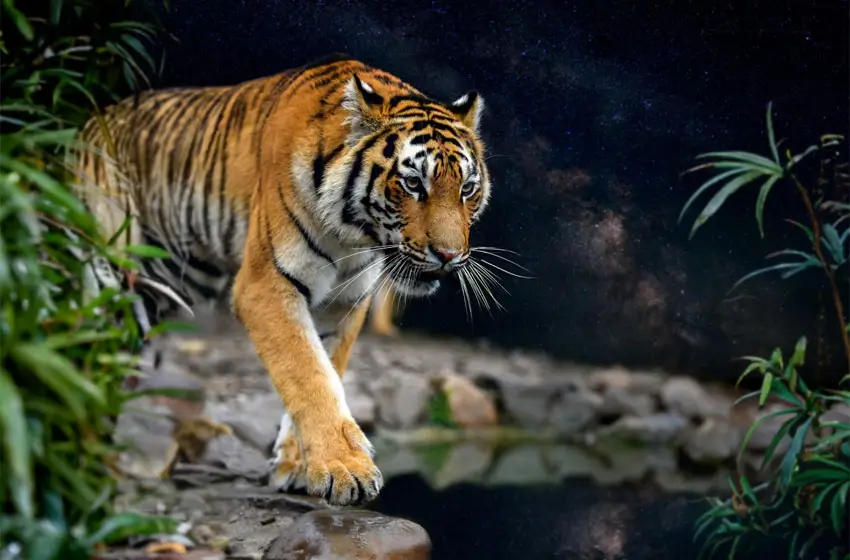
Delhi - Agra - Ranthambore - Jaipur
Delhi - Agra - Bharatpur - Ranthambore - Jaipur

Cochin - Munnar - Thekkady - Kumarakom
January to March is considered the best season for a snow leopard expedition in Ladakh, as the animals descend to lower altitudes during winter in search of prey.
No wildlife sightings can be guaranteed. However, this Hemis National Park tour is planned during peak tracking months with experienced local trackers, which significantly improves the chances.
This is a high-altitude wildlife expedition that involves walking on uneven terrain in cold conditions. A moderate level of fitness and comfort with winter environments is recommended.
Yes, the itinerary includes two full days in Leh for acclimatization at 3,500 metres, which is essential for safety during a Himalayan big cat safari.
Accommodation includes carefully selected high-altitude camps or traditional village homestays, chosen for warmth, safety, and proximity to tracking zones.
Tracking is conducted by experienced local experts trained in snow leopard expedition Ladakh techniques, including reading pugmarks, scat, and prey movement.
Apart from snow leopards, sightings may include Blue Sheep, Himalayan Ibex, Tibetan Wolves, red foxes, and high-altitude bird species common to winter wildlife India tours.
Yes, provided travellers are comfortable with cold weather and altitude. The expedition is guided and structured, making it suitable even for first-time participants in extreme wildlife tours in India.
The expedition follows strict altitude protocols, includes acclimatization days, experienced guides, emergency oxygen support, and constant monitoring of weather conditions.
Yes, the Snow Leopard Quest can be customised in terms of comfort level, additional tracking days, or private expeditions based on traveller preferences.