
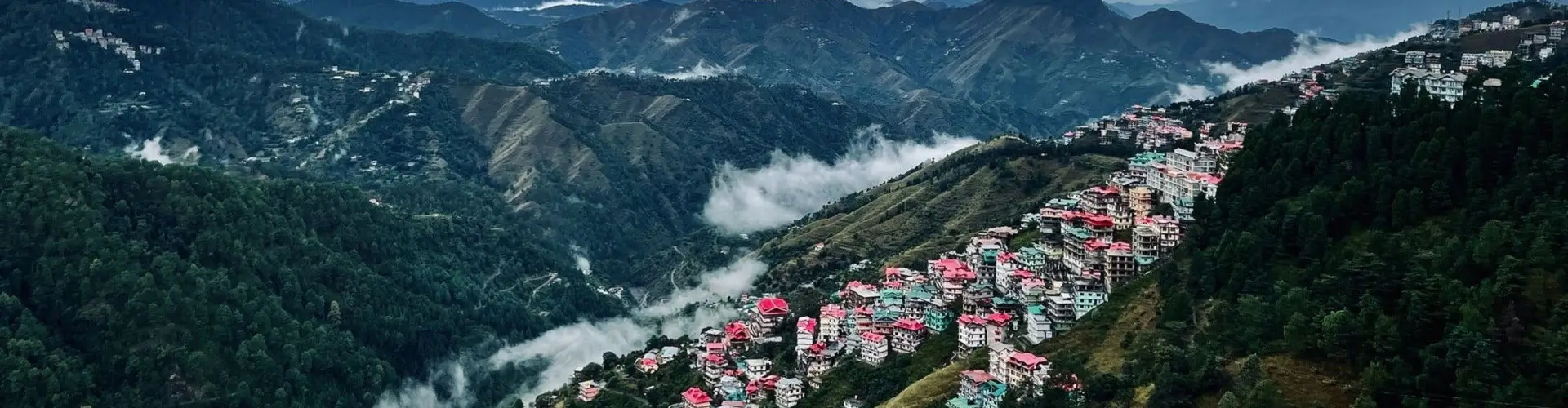
Spiti Valley is not a sightseeing destination in the conventional sense. It is a cold desert region shaped by altitude, isolation and centuries of Tibetan Buddhist culture. The journey itself forms the core experience, as roads climb slowly from green Himalayan foothills into barren high-altitude terrain. Entering Spiti via the Shimla–Kinnaur route is essential for proper acclimatization and safety, which is why this itinerary is structured in two carefully paced parts.
Focuses on preparing the body and mind for high altitude while introducing travellers to the dramatic transformation of landscapes. From colonial Shimla to the narrow valleys of Kinnaur and onward to Spiti, each day increases altitude gradually. This approach reduces the risk of altitude sickness and allows travellers to truly absorb the remoteness, silence and scale of the Himalayas rather than rushing toward destinations.
The journey begins from Chandigarh, leaving behind the plains and ascending steadily toward Shimla. The road winds through forested hills, offering a gradual transition from urban life to mountain terrain. This shift is important, as it allows the body to begin adapting to cooler temperatures and increased elevation.
Upon arrival in Shimla, check in to your hotel and rest. The remainder of the day is kept deliberately light. A short walk or relaxed evening indoors helps conserve energy, as the coming days involve long mountain drives. Shimla serves as the first acclimatization point before entering deeper Himalayan regions.
After breakfast, depart Shimla and drive toward Sangla, following the Sutlej River through steep valleys and narrow mountain roads. The terrain becomes noticeably more rugged, with cliffs rising sharply above the river and villages clinging to hillsides.
Arrive in Sangla by evening and check in to your accommodation. Located in the Baspa Valley, Sangla offers a calmer environment surrounded by alpine scenery. The evening is reserved for rest, allowing the body to recover after a demanding drive and adjust to increased altitude.
Travel from Sangla to Chitkul, known as the last inhabited village before the Indo-Tibetan border. The road follows the Baspa River through open meadows and sparse settlements, reflecting life at extreme altitude.
Spend time walking through Chitkul village, observing traditional wooden homes, prayer flags and daily routines shaped by isolation. This visit provides a clear understanding of survival and culture in remote Himalayan regions. Later, return to Sangla for overnight stay to maintain safe acclimatization.
After breakfast, depart Sangla and continue toward Kalpa, travelling deeper into Kinnaur district. The drive offers increasingly dramatic views, with sharp mountain ridges and deep valleys dominating the landscape.
On arrival, check in to your hotel and enjoy clear views of the Kinner Kailash peaks, considered sacred by local communities. Kalpa’s peaceful setting allows for proper rest, making it a critical stop before entering the higher-altitude Spiti Valley.
This is one of the most important travel days of the expedition. After breakfast, begin the journey from Kalpa to Kaza, officially entering Spiti Valley. Vegetation thins out dramatically, and the landscape shifts into a cold desert with exposed rock formations and wide riverbeds.
Arrive in Kaza, the administrative center of Spiti, by evening. Check in and rest completely. Physical activity is kept minimal, as the altitude here is significantly higher. This day marks the transition from Himalayan foothills into true high-altitude terrain.
This day is dedicated entirely to acclimatization in Kaza. After days of continuous ascent, the body requires time to stabilize. Short walks around town help improve circulation without strain.
Use the day to understand daily life in Spiti, observe local markets, interact with residents and rest adequately.
After breakfast, begin full-day exploration of the Spiti Valley region around Kaza. The first stop is Key Monastery, dramatically located on a hilltop overlooking the Spiti River. As the largest monastery in the valley, Key serves as an important religious and educational center for young monks. Walking through its prayer halls, courtyards and libraries offers insight into Tibetan Buddhist learning and daily monastic life at high altitude.
Later, drive toward Hikkim village, home to the world’s highest post office. The journey passes wide valleys and barren slopes that reflect Spiti’s cold desert geography. Continue onward to Langza, often called the fossil village, located beneath the ChauChau Kang Nilda peak. Time is spent walking through the village and surrounding areas, where ancient marine fossils can still be found, highlighting Spiti’s prehistoric past. Return to Kaza by evening for rest.
Depart Kaza after breakfast and drive toward Tabo, following the Spiti River through open valleys and dramatic rock formations. On arrival, visit the Tabo Monastery complex, founded over 1,000 years ago. Known for its well-preserved murals, meditation caves and assembly halls, Tabo is considered one of the most important Buddhist sites in the Himalayas.
In the afternoon, continue to Dhankar Monastery, perched on a cliff high above the river confluence. The location itself reflects strategic and spiritual significance, offering sweeping views of the surrounding valley. Time is given to absorb the isolation and scale of the landscape before returning to Kaza or nearby accommodation for the night.
After an early breakfast, depart Kaza and begin the journey toward Chandratal Lake. The route crosses rugged mountain terrain, high passes and remote stretches where road conditions demand slow, careful travel. The changing landscape becomes increasingly stark, emphasizing Spiti’s raw and untouched character.
Arrive near Chandratal Lake by afternoon and proceed toward the designated camping area. A short walk leads closer to the lake, whose crescent shape and clear blue water stand out against the surrounding mountains. As evening falls, the area becomes completely silent, offering uninterrupted views of the night sky. Overnight stay is at a high-altitude camp near the lake.
After breakfast at the campsite, begin the drive toward Manali. This route involves crossing challenging mountain sections and high passes, where weather conditions can change rapidly. The journey marks the transition from cold desert terrain to greener Himalayan valleys.
As the road descends, vegetation gradually returns and oxygen levels increase, offering physical relief after days at extreme altitude. Arrive in Manali by evening and check in to your hotel. The remainder of the day is kept free for rest and recovery.
This day is intentionally kept light to allow the body to recover fully after the demanding Spiti expedition. Manali’s lower altitude, better infrastructure and comfortable environment provide a contrast to the remoteness of Spiti Valley.
Travellers may choose to take short walks near the Beas River, explore local markets or simply rest at the hotel. This day also acts as a buffer in case of weather delays earlier in the journey, ensuring safe and flexible travel planning.
After breakfast, depart Manali for your onward journey by road. Transfers can be arranged toward Chandigarh or other preferred exit points depending on travel plans.
The expedition concludes after covering one of the most remote and challenging inhabited regions of the Indian Himalayas, offering a realistic and deeply immersive Spiti Valley road trip experience.
Enquire now and connect with a dedicated Travel Expert who will respond within 24 hours to begin crafting your private journey.

Dev
Travel Expert
12+ yrs experience

Have a look at our original experiences and then contact us with your questions, or call +91-9351360903

Our Experts will send you a detailed holiday itinerary specified to your desires. It's our service promise to you.

Tailor-made doesn't mean expensive! Ask about our price promise and book with financial security.
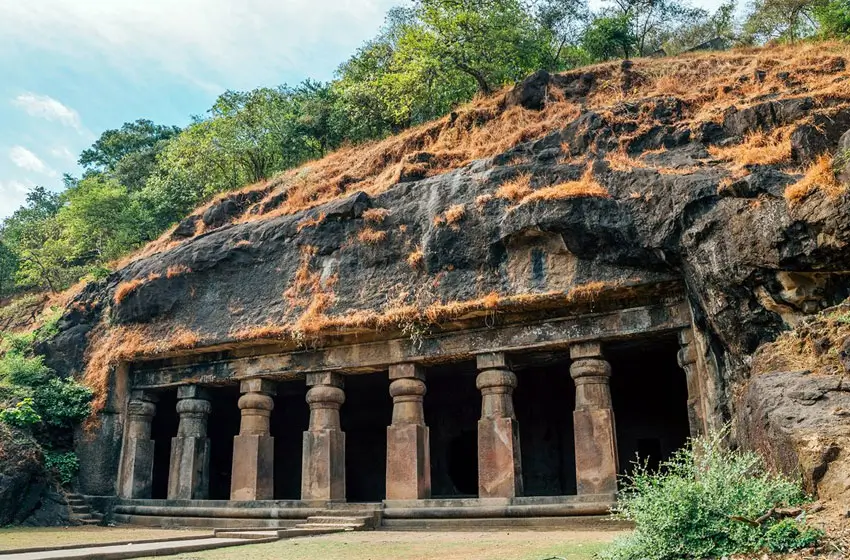
Mumbai - Aurangabad - Ajanta Caves - Ellora Caves - Bhopal - Gwalior - Mumbai
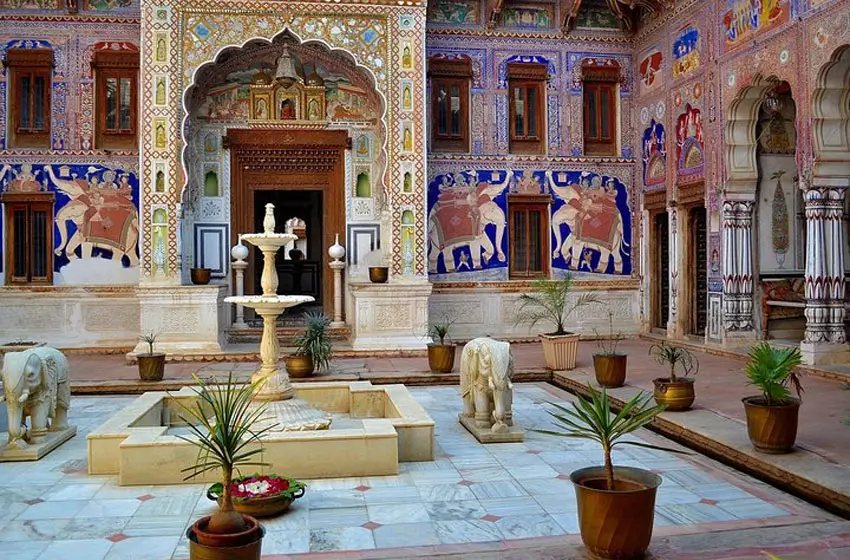
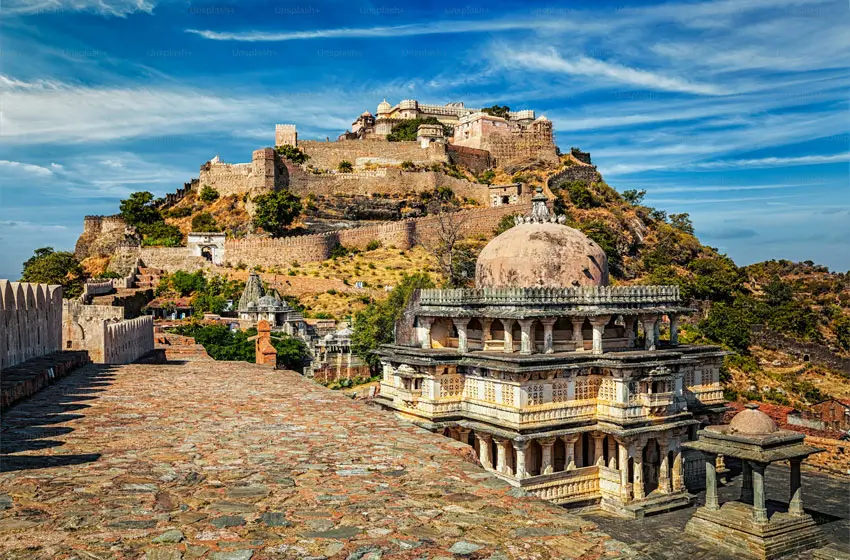
Delhi - Agra - Jaipur - Kumbhalgarh - Chittorgarh - Udaipur - Delhi

Jaipur - Jodhpur - Jaisalmer - Bikaner - Jaipur