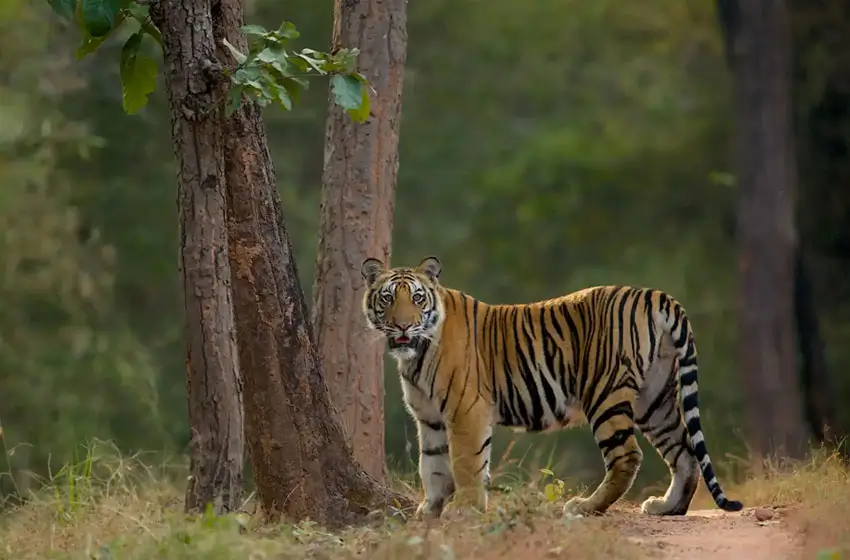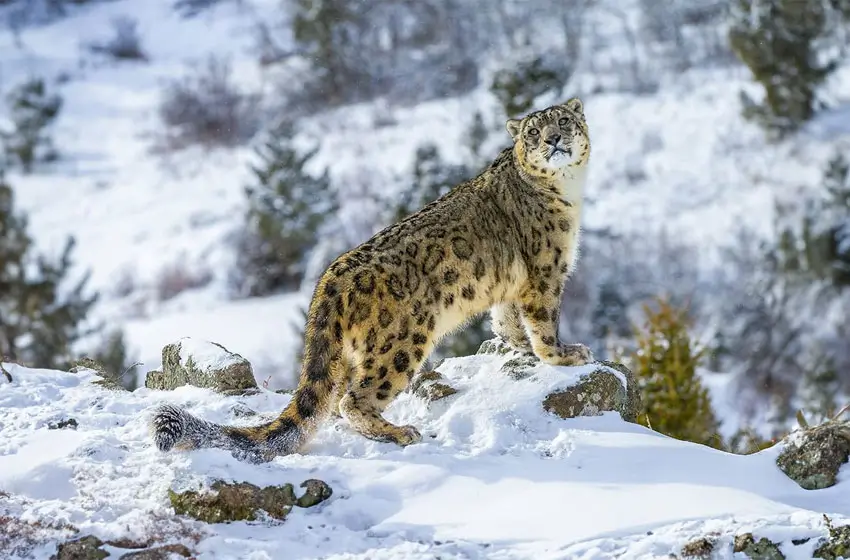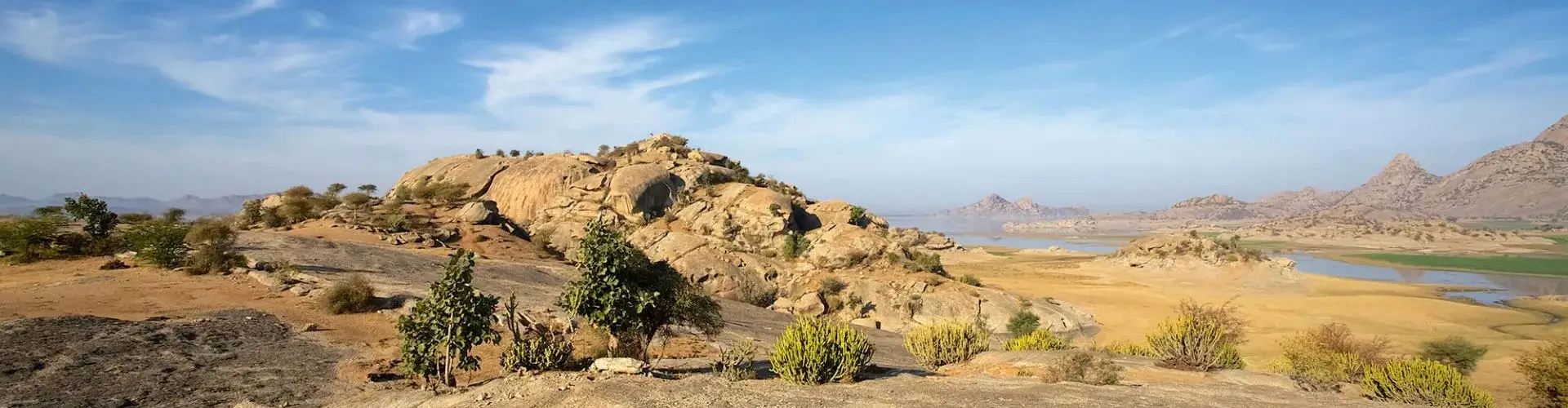
The Big Cat Chronicles is crafted for travelers who seek depth over chance sightings. This journey links two dramatically different big-cat landscapes - Jawai’s open granite hills, where leopards coexist with pastoral communities, and Bandhavgarh’s dense sal forests, one of the most reliable tiger habitats in the world.
Instead of short stays and rushed safaris, the itinerary allows repeated tracking sessions that reveal behavior, territory, and patterns. Jawai offers visibility and interaction, while Bandhavgarh delivers classic jungle immersion supported by multiple core-zone drives.
Cultural transitions through Rajasthan and Central India provide mental balance between wilderness days. The journey is ideal for wildlife photographers, conservation-minded travelers, and serious nature enthusiasts who value understanding ecosystems as much as seeing predators.
Arrive in Delhi and transfer to your hotel for an overnight stay. This first day is intentionally kept light, allowing recovery from international travel before entering remote wildlife regions. Delhi functions purely as a logistical entry point rather than a sightseeing destination.
The evening is reserved for rest and preparation. A short briefing outlines the contrasting ecosystems of Jawai and Bandhavgarh, setting expectations around safari pacing, wildlife ethics, and observation-based tracking rather than guaranteed sightings.
Fly from Delhi to Udaipur in the morning, followed by a scenic three-hour drive toward Jawai. The landscape gradually transforms into rocky outcrops, scrub forest, and pastoral land shaped by seasonal water flow.
Arrive at your wilderness lodge near Jawai by afternoon. In the evening, head out for your first leopard tracking drive. Jawai’s open terrain allows long-range visibility, offering a rare opportunity to observe leopards moving freely across granite hills as daylight fades.
Begin the day with an early morning safari through Jawai’s rocky corridors. The focus is on understanding leopard behavior rather than rushing for sightings. Naturalists interpret pugmarks, scent markings, and vantage points used by leopards.
After rest and lunch, return for an evening drive when leopards often become active. The light, terrain, and silence create ideal conditions for observation. Jawai’s uniqueness lies in its openness—leopards here are seen not as shadows, but as dominant landscape residents.
Spend the morning interacting with the Rabari herdsmen, whose traditional lifestyle has coexisted with leopards for generations. Conversations reveal how tolerance, belief, and adaptation shape one of India’s most successful human-predator relationships.
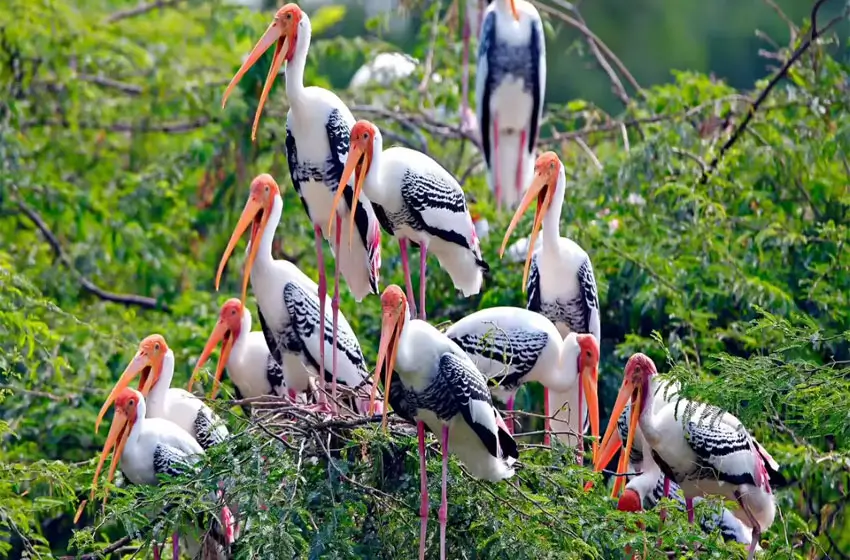
Later, explore birdlife around Jawai Dam, a seasonal wetland attracting migratory and resident species. This softer wildlife experience balances predator tracking with ecological context, emphasizing Jawai as a complete ecosystem rather than a single-species destination.
Depart Jawai after breakfast and drive approximately three hours to Jodhpur. The transition from wilderness to city provides a physical and mental pause between safari zones.
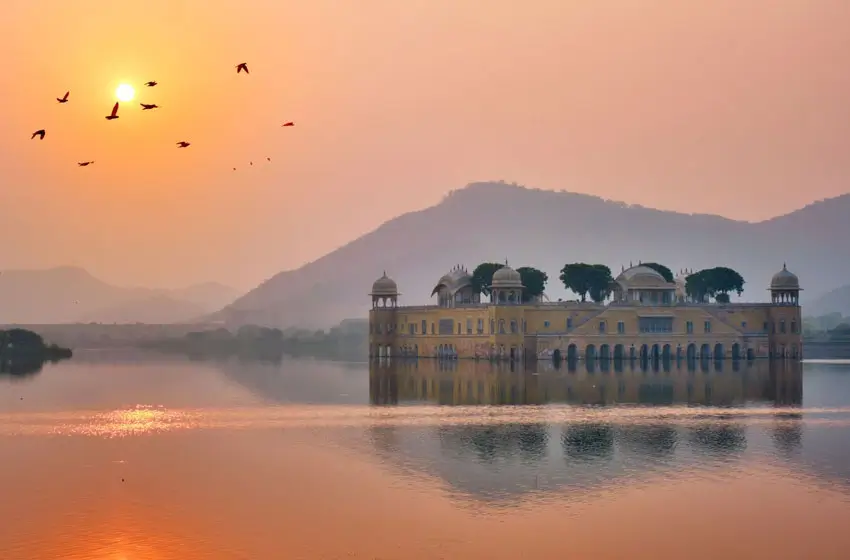
In the afternoon, visit Mehrangarh Fort, rising dramatically above the Blue City. The fort’s scale, ramparts, and vantage points offer insight into Rajasthan’s defensive architecture and royal history. Evening is free to relax and prepare for the next wildlife chapter.
Fly from Jodhpur to Jabalpur via available connectivity. Upon arrival, drive toward Bandhavgarh National Park, entering Central India’s forested heartland.
Arrive at your jungle lodge by evening. The atmosphere shifts immediately—dense sal forests replace open rock, and anticipation builds for tiger tracking ahead. A detailed safari briefing prepares you for the terrain, zones, and expectations of Bandhavgarh.
Begin the day early with a morning safari into one of Bandhavgarh’s prime zones such as Tala or Magadhi. These forests are known for high tiger density, dramatic terrain, and ancient fort ruins rising above sal trees. Naturalists focus on alarm calls, pugmarks, and territorial signs rather than rushed movement.
After returning for breakfast and rest, head out again in the afternoon for a second safari. Repeated drives allow deeper understanding of tiger behavior—movement patterns, preferred watering points, and interactions with other wildlife. Evening discussions help interpret the day’s observations beyond sightings alone.
The morning safari explores a different section of the park, increasing exposure to varied habitat. Attention is given to forest structure, prey species, and how terrain influences predator strategy. Even without direct tiger encounters, the forest reveals constant movement and sound.
Later in the day, visit the reclining Vishnu statue (SheshShaiya), a sacred site located within the park’s buffer zone. Set beside a natural spring, the location connects mythology, water sources, and wildlife presence. The afternoon remains relaxed, allowing time for reflection and rest.
Today’s afternoon safari shifts focus from apex predators to overall biodiversity. Leopards, sloth bears, wild dogs, deer species, and birdlife all form part of Bandhavgarh’s complex ecosystem. Understanding these layers deepens appreciation of why the park supports such a strong tiger population.
The slower pace encourages observation of smaller details—tracks, bird calls, and plant life. Guides explain how forest health directly impacts predator success. Evening time is spent at the lodge, reviewing photographs or notes from the journey so far.
After a morning safari, spend time outside the park on a guided local village walk. This experience offers insight into how communities live alongside protected forests and wildlife. Discussions focus on coexistence, agriculture, and conservation challenges rather than tourism narratives.
The afternoon remains unstructured, allowing guests to rest after several early mornings. This pause is intentional, maintaining balance between intensive safari activity and personal well-being. Evening concludes quietly, surrounded by forest sounds.
Enjoy your final morning safari, often the most emotionally resonant as familiarity with the forest enhances awareness. Whether or not a tiger is sighted, the experience now carries context and understanding built over multiple days.
Later, drive to Jabalpur Airport for your flight to Delhi. The transition from forest to city is gradual, allowing time to mentally integrate the journey. Upon arrival in Delhi, transfer to a hotel for overnight stay or day-use, depending on flight schedule.
The final day is reserved for international departure from Delhi. Transfers are arranged according to flight timing, ensuring a smooth conclusion to the journey.
The Big Cat Chronicles ends not as a single wildlife experience, but as a layered understanding of India’s predator landscapes—from open granite hills to dense central forests—shaped by geography, people, and patience.
Enquire now and connect with a dedicated Travel Expert who will respond within 24 hours to begin crafting your private journey.

Dev
Travel Expert
12+ yrs experience

Have a look at our original experiences and then contact us with your questions, or call +91-9351360903

Our Experts will send you a detailed holiday itinerary specified to your desires. It's our service promise to you.

Tailor-made doesn't mean expensive! Ask about our price promise and book with financial security.