Central India preserves some of the earliest artistic and spiritual expressions of the subcontinent, carved directly into rock faces and hillsides rather than built upward. This journey focuses on regions where religion, art, and political power shaped landscapes over thousands of years, leaving behind caves, stupas, and fortified cities of exceptional historical value.
The itinerary moves carefully from coastal Mumbai to the Deccan plateau and central plains, connecting Buddhist monastic centres, Hindu and Jain cave temples, early Islamic architecture, and ancient urban planning. Designed for travellers with a strong interest in archaeology and heritage studies, the route balances guided site visits with time for interpretation, observation, and contextual understanding.
Your arrival at Mumbai International Airport is met with personalised assistance and a private transfer to your hotel. As India’s primary gateway city, Mumbai reflects layers of colonial history, indigenous culture, and modern commercial life, offering an immediate sense of scale and diversity.
The remainder of the day is kept unhurried to allow recovery from travel. Depending on arrival time, a short orientation drive may be arranged, offering glimpses of the city’s coastal roads, historic districts, and contemporary skyline without committing to intensive sightseeing.
Breakfast, Lunch, Dinner
The morning begins with a ferry ride across Mumbai Harbour to Elephanta Island, home to the UNESCO-listed Elephanta Caves. These rock-cut temples, dedicated primarily to Lord Shiva, are renowned for their monumental relief sculptures, including the iconic three-faced Maheshmurti. The carvings demonstrate early mastery of scale, symmetry, and symbolic storytelling.
In the afternoon, attention shifts to Chhatrapati Shivaji Maharaj Terminus, another UNESCO World Heritage Site. This Victorian-era railway station blends Gothic Revival architecture with Indian design elements, reflecting colonial-era engineering and craftsmanship. The contrast between ancient cave art and 19th-century architecture provides valuable context for Mumbai’s layered heritage.
Breakfast, Lunch, Dinner
After breakfast, you transfer to the airport for a domestic flight to Aurangabad, a city positioned strategically near some of India’s most important rock-cut monuments. Upon arrival, assistance is provided for hotel check-in, followed by a relaxed afternoon.
Aurangabad’s location made it a vital centre during various historical periods, serving as a base for rulers, traders, and religious communities. The evening is kept free to prepare for the intensive archaeological exploration scheduled over the next few days.
Breakfast, Lunch, Dinner
This day is dedicated entirely to the Ajanta Caves, a UNESCO World Heritage Site carved into a horseshoe-shaped cliff overlooking the Waghora River. Dating from the 2nd century BCE onward, the caves served as monastic retreats for Buddhist monks and patrons.
The murals inside Ajanta are among the finest surviving examples of ancient Indian painting, depicting scenes from the life of the Buddha, royal courts, and everyday social life. Guided interpretation helps decode the symbolism, techniques, and pigments used, offering insight into how art functioned as both devotion and instruction in early Buddhist society.
Breakfast, Lunch, Dinner
Today’s exploration focuses on the Ellora Caves, another UNESCO-listed complex representing Buddhist, Hindu, and Jain traditions coexisting within a single landscape. The site illustrates religious continuity and tolerance through centuries of artistic production.
The highlight is the Kailasa Temple, carved top-down from a single rock mass. This architectural feat required removing thousands of tonnes of stone, resulting in a free-standing temple complex complete with courtyards, pillars, and sculpted panels. Time is allocated to study proportions, iconography, and engineering techniques that make this structure unparalleled globally.
Breakfast, Lunch, Dinner
The morning begins with a visit to Bibi Ka Maqbara, often compared stylistically to the Taj Mahal. Built in memory of a Mughal empress, the monument reflects Deccan adaptations of Mughal design, with restrained ornamentation and local materials.
Later, you proceed to Daulatabad Fort, one of India’s most formidable hill forts. Its layered defences, steep access routes, and strategic positioning offer insight into medieval military architecture. After sightseeing, you transfer to the airport for a flight to Bhopal, marking the transition from Deccan heritage to central Indian archaeological landscapes.
Breakfast, Lunch, Dinner
The day begins with an introduction to Bhopal, a city shaped by a blend of Islamic rule, tribal traditions, and post-independence urban planning. Known as the City of Lakes, Bhopal’s geography has played a key role in its cultural and architectural evolution. Morning exploration focuses on the historic mosques that reflect Indo-Islamic design adapted to local materials and climatic conditions.
Later, a visit to the Tribal Museum of Bhopal provides a detailed understanding of central India’s indigenous communities. The museum presents tribal life through immersive exhibits, art installations, and architectural reconstructions rather than static displays. This experience offers valuable context for understanding how prehistoric and early historic cultures transitioned into settled societies across the region.
Breakfast, Lunch, Dinner
A day excursion takes you to the Bhimbetka Rock Shelters, a UNESCO World Heritage Site set within forested sandstone hills. These shelters contain some of the oldest known rock paintings in the world, dating back over 30,000 years. The natural setting helps illustrate why early humans chose these locations for habitation and artistic expression.
Walking between the shelters reveals layered paintings created over thousands of years, depicting hunting scenes, ritual gatherings, animals, and early social life. The continuity of human occupation here provides rare insight into the evolution of artistic language and symbolic communication long before organised religion or urban development emerged in the subcontinent.
Breakfast, Lunch, Dinner
Today’s journey leads to Sanchi, home to one of the world’s most significant Buddhist monument complexes and a UNESCO World Heritage Site. The Great Stupa at Sanchi stands as an early example of Buddhist architectural symbolism, built to house relics and guide meditative movement rather than serve as an interior worship space.
Detailed exploration includes the elaborately carved toranas, monasteries, and votive stupas that surround the main structure. The site demonstrates how Buddhist philosophy was translated into architectural form using geometry, orientation, and narrative reliefs. Time is provided for quiet observation, allowing visitors to absorb the spiritual and historical atmosphere of the site.
Breakfast, Lunch, Dinner
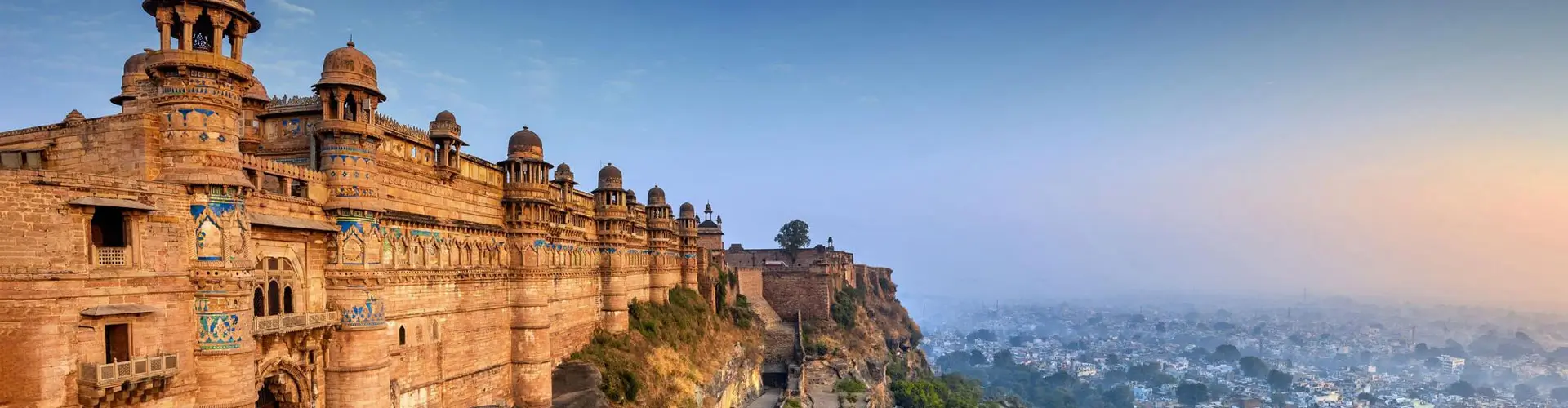
After breakfast, you travel by train to Gwalior, a city dominated by one of India’s most impressive hill forts. Rising dramatically above the plains, Gwalior Fort showcases layers of construction spanning centuries, from early defensive walls to ornate palaces adorned with glazed tile work.
Within the fort complex, temples, water tanks, and royal quarters reveal how military strength and artistic refinement coexisted. Later, a visit to Jai Vilas Palace introduces the lifestyle of the Scindia dynasty, with European-influenced interiors, grand halls, and mechanical features that reflect royal tastes during the colonial era.
Breakfast, Lunch, Dinner
The day is reserved for returning to Mumbai by flight or train, depending on operational preferences. Upon arrival, the city offers a familiar yet contrasting setting after days spent in archaeological and historic environments.
Time is kept flexible for light exploration, allowing visits to coastal promenades, heritage districts, or quiet neighbourhoods depending on interest. This day provides space to reflect on the journey’s progression from prehistoric art to medieval forts and modern urban centres.
Breakfast, Lunch, Dinner
The final day allows for unhurried preparation before departure. Depending on flight schedules, time may be available for last-minute shopping or a short neighbourhood walk.
A private transfer ensures smooth arrival at Mumbai International Airport. The journey concludes with a comprehensive understanding of central India’s archaeological importance, tracing human expression from prehistoric shelters to monumental cave architecture and fortified cities.
Breakfast, Lunch, Dinner
Enquire now and connect with a dedicated Travel Expert who will respond within 24 hours to begin crafting your private journey.
Dev
Travel Expert
12+ yrs experience

Have a look at our original experiences and then contact us with your questions, or call +91-9351360903

Our Experts will send you a detailed holiday itinerary specified to your desires. It's our service promise to you.

Tailor-made doesn't mean expensive! Ask about our price promise and book with financial security.
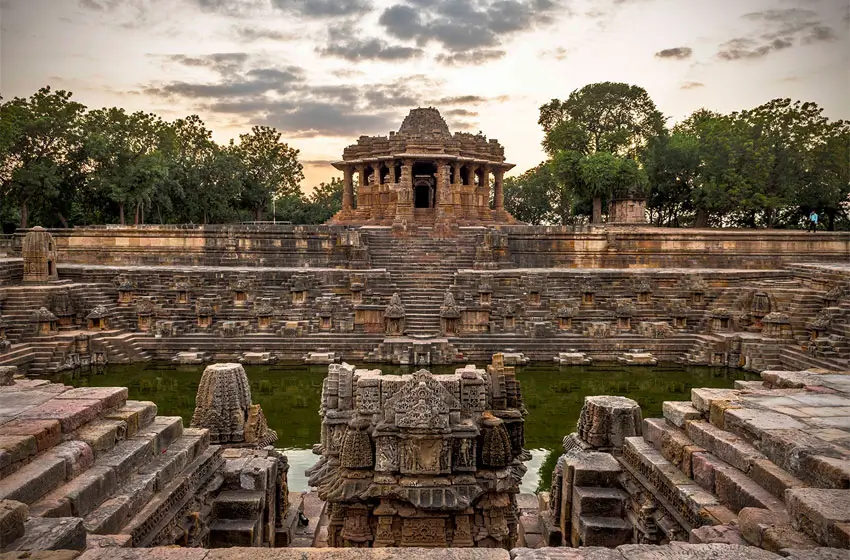
Ahmedabad - Patan - Rann of Kutch - Vadodara - Champaner - Lothal - Ahmedabad

Delhi - Agra - Bharatpur - Ranthambore - Jaipur
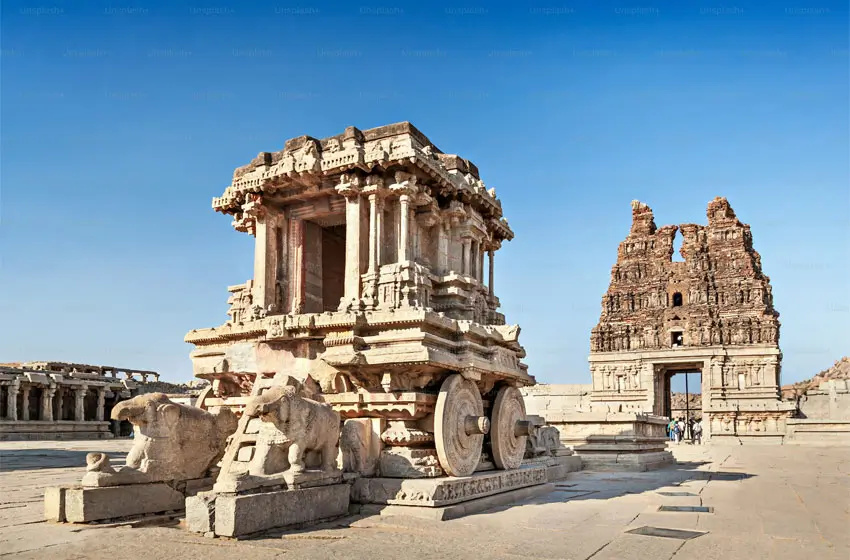
Hampi - Badami - Aihole - Pattadakal - Hemakuta
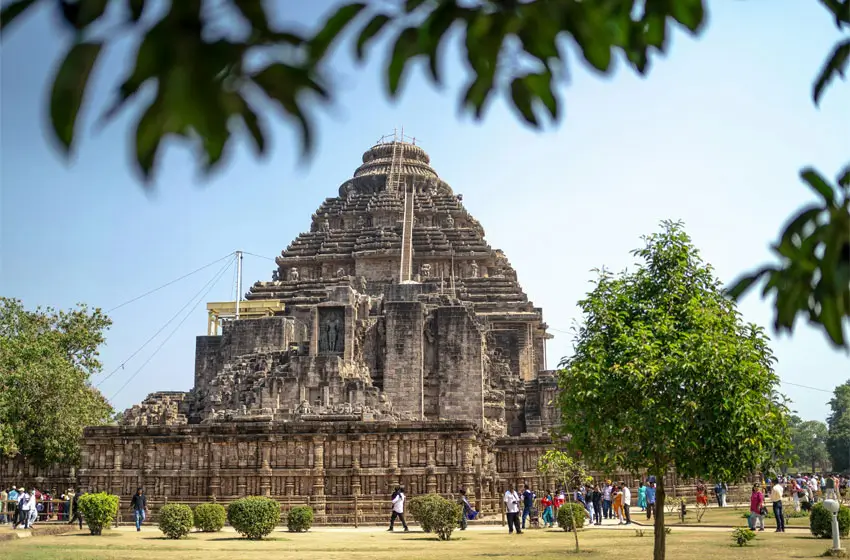
Kolkata - Bhubaneswar - Konark - Raghurajpur - Puri - Chilika