Royal Palace Stays in India
17 Sep 2025
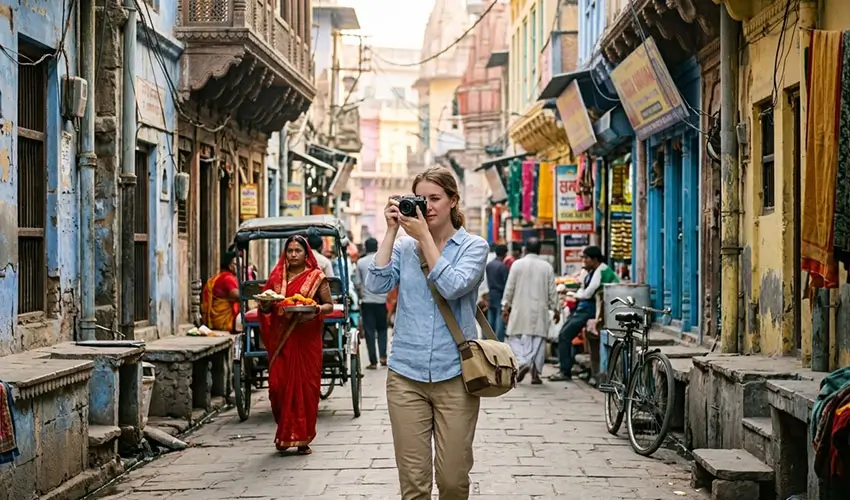
There are destinations that are photographed, and then there are destinations that are interpreted. India belongs to the second category. It is not simply a place where a camera captures what is in front of it; it is a place where every frame demands intention, awareness, and a deeper understanding of visual storytelling.
Despite its vast diversity and extraordinary visual richness, India continues to remain one of the most underrated cinematic photography destinations in the world. Many international photographers still gravitate toward predictable locations, often overlooking a country that offers unmatched depth in composition, color, and narrative.
India does not present a single identity. Instead, it unfolds as a collection of visual worlds, each with its own rhythm and aesthetic. This makes it a powerful destination for cinematic travel photography, where every location offers a completely new visual language.
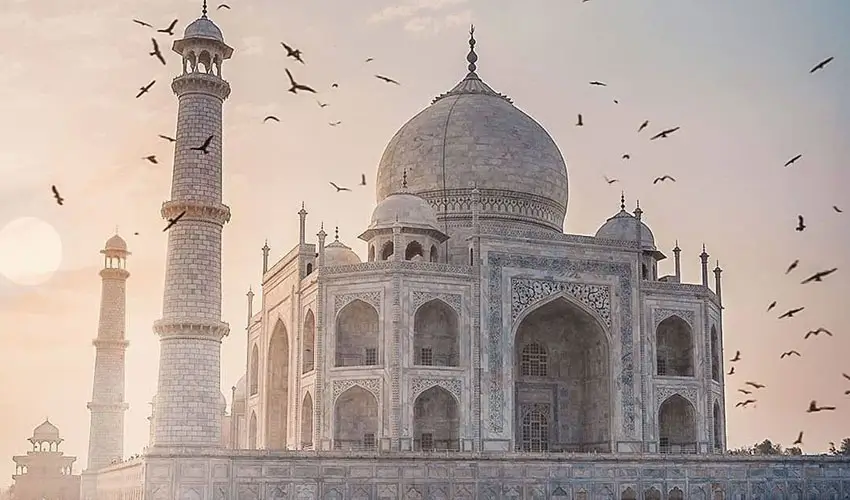
Light defines cinema, and in India, light behaves in a way that is both dramatic and deeply expressive. Early mornings are filled with a soft golden haze that gently reveals textures, while evenings bring a warm, saturated glow that transforms ordinary scenes into cinematic compositions.
The unpredictability of natural light across India is what makes it so valuable for professional photography tours in India. Unlike controlled environments, here the light evolves constantly, creating opportunities for unique frames that cannot be replicated elsewhere.
From desert sunlight that casts sharp shadows to diffused mountain light that softens landscapes, India offers a complete spectrum for photographers who are serious about mastering cinematic lighting techniques.
Capture India Like a Movie
From dramatic mountains to royal palaces and vibrant streets, India offers unmatched cinematic diversity.
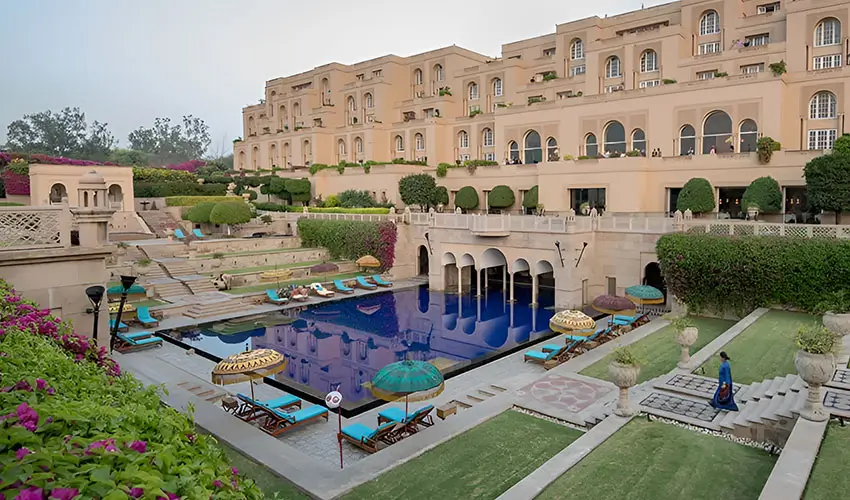
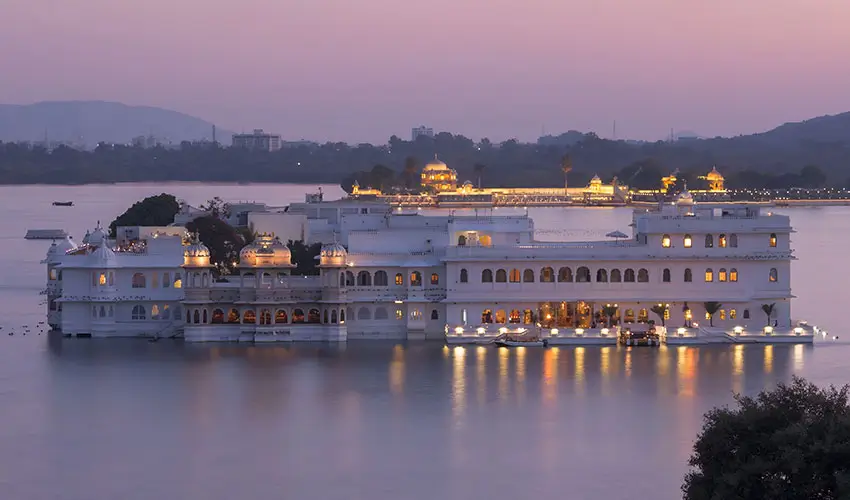
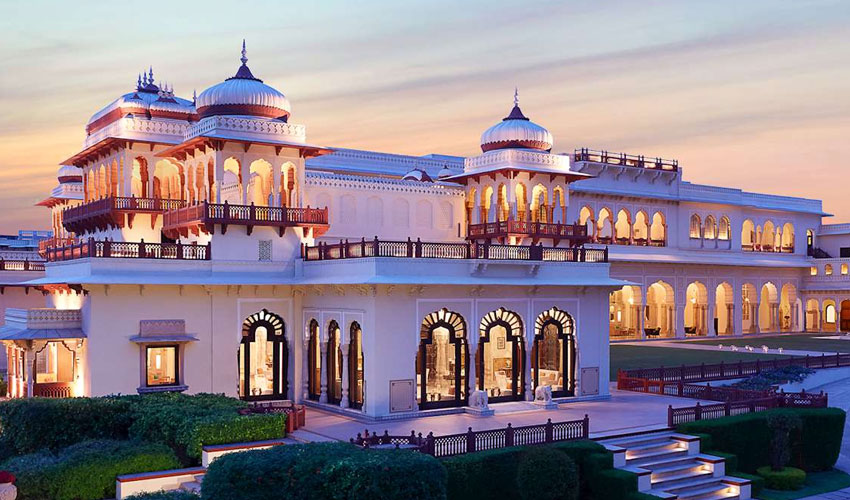
Architecture in India is not just historical—it is visually mathematical. Cities like Jaipur showcase a level of symmetry that feels almost designed for the camera. Palaces, forts, and courtyards are built with precision, allowing photographers to experiment with balance, framing, and depth.
The terracotta tones of these structures interact beautifully with sunlight, creating naturally graded compositions. This makes India one of the best destinations for architectural photography with cinematic appeal.
Photographers often spend years trying to achieve this level of balance artificially, yet in India, it exists organically. Every archway, every corridor, and every reflection becomes part of a larger visual story.
Color plays a critical role in cinematic storytelling, and India offers some of the most naturally occurring color palettes in the world. In Jodhpur, the endless stretch of blue houses creates a visual consistency that is both rare and powerful.
The contrast between deep blue walls and golden sunlight produces frames that feel cinematic even before editing. This natural harmony makes India a key destination for color grading and visual storytelling photography.
Unlike other destinations where color must be enhanced in post-production, India provides it in its purest form. This authenticity is what makes it so valuable for photographers and filmmakers alike.
In Jaisalmer, the visual narrative shifts completely. The complexity of cities gives way to simplicity. The dunes stretch endlessly, offering clean compositions that focus on shape, shadow, and movement.
This kind of minimal environment is ideal for cinematic landscape photography, where distractions are eliminated and the subject becomes more powerful. The absence of clutter allows photographers to experiment with scale, perspective, and storytelling.
Such landscapes are also highly valuable for visual artists working on conceptual projects, where simplicity often creates the strongest impact.
India’s cinematic power is not limited to landscapes or architecture. It is deeply rooted in human expression. In places like Varanasi, photography becomes more than visual—it becomes emotional.
The rituals performed along the river are raw and continuous. The interaction of fire, smoke, water, and human presence creates a level of complexity that challenges even experienced photographers. This makes India one of the strongest destinations for documentary and cinematic storytelling photography.
Capturing such moments requires patience and sensitivity, as the frame is not constructed—it unfolds naturally.
One of the most unique aspects of India is how quickly the landscape changes. Within a single journey, a photographer can move from deserts to mountains, from rivers to tropical forests.
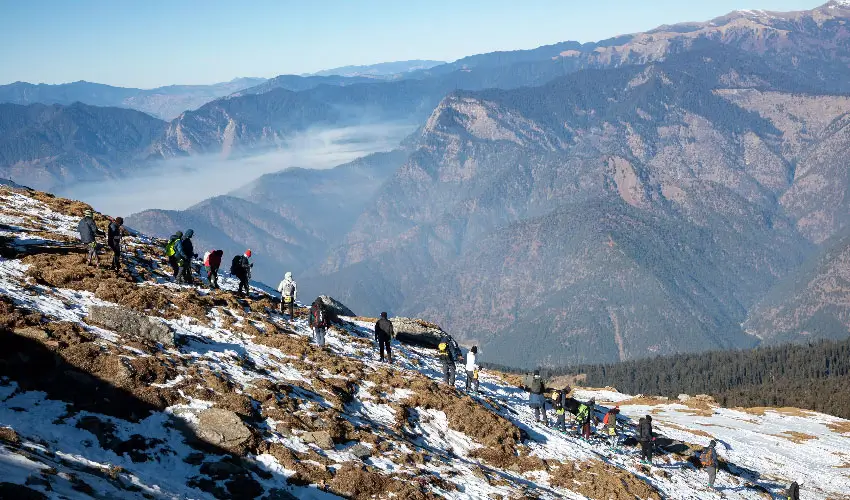
In the Himalayas, the terrain feels almost otherworldly. High-altitude deserts and monasteries perched on cliffs create a visual language that resembles science fiction. This makes India highly relevant for world-building photography and cinematic environment creation.
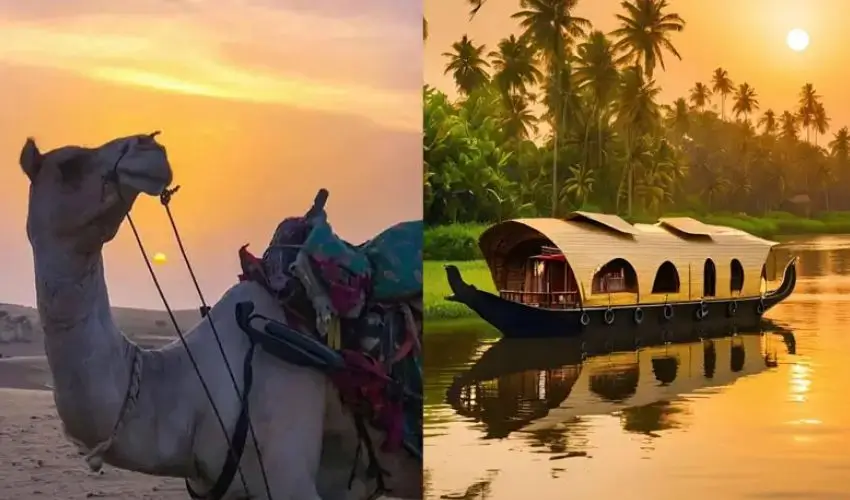
In contrast, Kerala offers a completely different mood. The lush greenery, calm waters, and soft mist create frames that feel serene and balanced. These environments are ideal for nature-based cinematic photography.
India is not an easy destination to shoot. It demands attention, patience, and adaptability. The environment is dynamic, and the scenes are constantly evolving. This challenge is precisely what makes it valuable.
Photographers who work in India often find that their visual understanding improves significantly. They begin to see beyond the obvious and start capturing deeper layers within a frame. This is why India is
increasingly being recognized as a destination for advanced cinematic photography learning.
Every Frame Tells a Story in India
India isn’t just a destination — it’s a visual narrative. From ancient cities to untouched landscapes, every shot captures culture, emotion, and cinematic depth like nowhere else.
What sets India apart is its ability to tell stories visually. Every location carries history, culture, and emotion. These elements combine to create frames that feel meaningful rather than staged.
Whether it is the silence of the desert, the chaos of a city, or the stillness of a river, India provides endless opportunities for cinematic storytelling through photography.
For photographers who are looking to move beyond surface-level visuals and create work that resonates, India offers a depth that is difficult to find elsewhere.
For international travelers and serious photographers, access plays a crucial role. India offers opportunities that go far beyond standard travel experiences. With the right guidance, photographers can access locations, moments, and perspectives that are not available to the general public.
This is where curated journeys become important. A well-planned luxury photography tour in India ensures that every location is experienced at the right time, under the right conditions, and with the right support.
As visual storytelling continues to evolve, photographers are searching for destinations that offer authenticity, diversity, and depth. India stands at the intersection of all three.
It is not just a location—it is a continuous visual narrative. Every frame captured here carries layers of meaning, making it one of the most powerful environments for cinematic exploration.
For those who are willing to go beyond the obvious, India offers something rare—the opportunity to create visuals that are not just seen, but remembered.
Enquire now and connect with a dedicated Travel Expert who will respond within 24 hours to begin crafting your private journey.
Dev
Travel Expert
12+ yrs experience

Have a look at our original experiences and then contact us with your questions, or call +91-9351360903

Our Experts will send you a detailed holiday itinerary specified to your desires. It's our service promise to you.

Tailor-made doesn't mean expensive! Ask about our price promise and book with financial security.
You can connect with specialized tour providers who offer customized itineraries and expert guidance
Yes, there are high-end tours designed specifically for professional and enthusiast photographers.
Cinematic, documentary, landscape, and architectural photography all work exceptionally well.
Yes, curated tours are available that focus on specific photography experiences.
Yes, but it is especially rewarding for photographers looking to improve their skills.
The winter months generally provide better lighting and comfortable conditions.
Some locations may require permits, especially in restricted or heritage areas.
Cities like Jaipur, Jodhpur, Varanasi, Ladakh, and Kerala offer unique visual experiences.
Yes, India provides a wide range of environments that challenge and enhance a photographer’s skills.
India offers diverse landscapes, natural lighting, and cultural depth, making it ideal for cinematic compositions and storytelling.