Royal Palace Stays in India
17 Sep 2025
“Sustainable travel” has become one of the most misused phrases in modern tourism. From hotels that change towels less frequently to resorts that plant a few trees and declare themselves eco-friendly, greenwashing has blurred the line between intention and impact.
For the conscious traveler, this is no longer enough.
True sustainability is measurable. It is engineered into architecture, energy systems, water management, food sourcing, and community relationships. It is verifiable, audited, and lived daily—often at the cost of convenience, profit margins, and scale.
This guide goes beyond marketing narratives to spotlight ten rare properties in India that have achieved standalone, carbon-neutral or near-carbon-neutral operations through deep, systemic commitment. These are not eco-labels added after construction; they are places where sustainability was the starting point.
As a Ministry of Tourism Diamond Card holder, each of these properties has been personally vetted. They represent the future of responsible luxury in India—where comfort, beauty, and ethics coexist without compromise.
Before diving into the list, it’s important to clarify what qualifies a property for inclusion here.
A truly sustainable luxury stay demonstrates most or all of the following:
These properties are often small, standalone, and deliberately limited in scale—because sustainability and mass tourism rarely coexist.
Travel responsibly with our carbon-conscious luxury tours. Stay in eco-friendly resorts, enjoy private guided experiences, and explore India while supporting sustainable tourism.
Off-Grid Luxury in the Western Ghats
Location & Setting
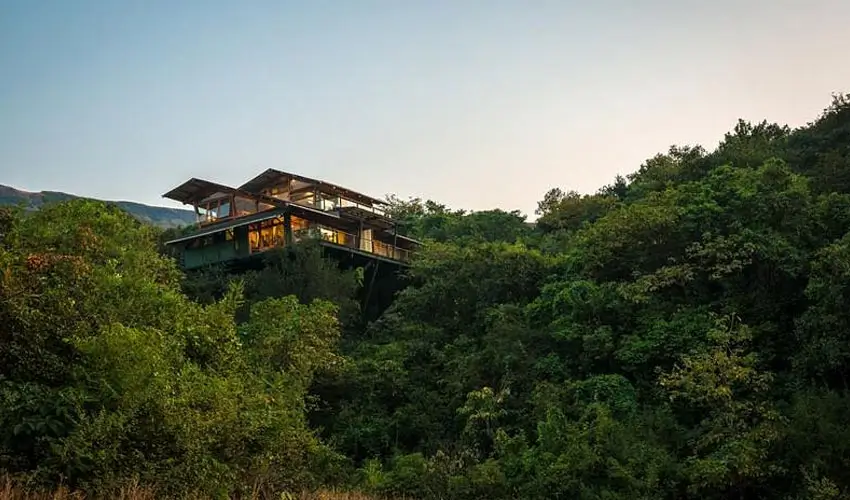
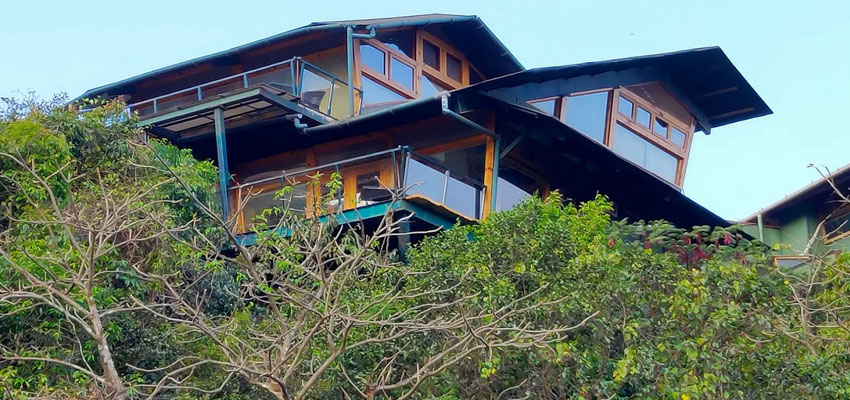
The Machan is located near Lonavala, Maharashtra, deep within the Western Ghats UNESCO biodiversity hotspot, approximately 90 km from Mumbai. The property sits inside a private forest reserve at an elevation, surrounded by dense tropical woodland and seasonal mist.
The Experience
This is a treehouse-style wilderness stay designed for guests who want immersion without intrusion. Suites are elevated on stilts, allowing wildlife movement below and uninterrupted forest views above. Silence, birdsong, and changing light define the stay.
The Eco-Edge
The Machan is a certified carbon-neutral, completely off-grid resort.
Why It Matters
Here, sustainability is quantifiable. Every unit of energy and water is tracked, making carbon neutrality a measurable outcome, not a marketing claim.
Sustainability on Fragile Island Ecosystems
Location & Setting
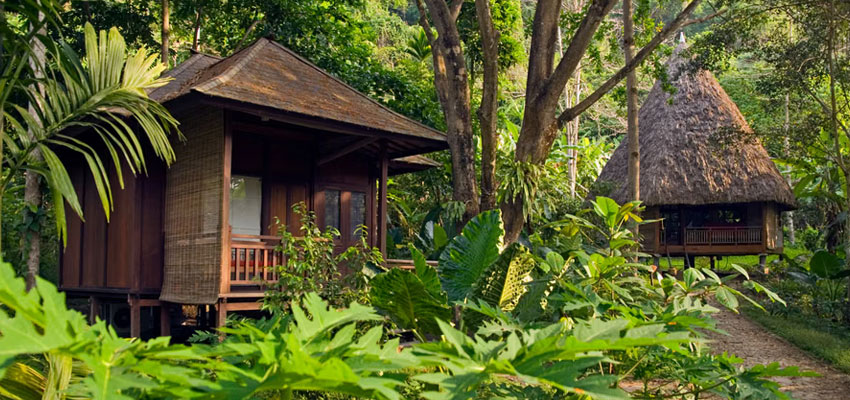
Barefoot at Havelock is located on Havelock Island (Swaraj Dweep) in the Andaman Islands, surrounded by tropical rainforest and coral-rich waters of the Bay of Bengal.
The Experience
Guests stay in rustic yet comfortable cottages set among old-growth trees, steps away from one of India’s most pristine beaches. The emphasis is on barefoot living, slow pace, and connection with nature.
The Eco-Edge
Why It Matters
On islands, ecological damage is permanent. Barefoot demonstrates how tourism can exist without exhausting finite island ecosystems.
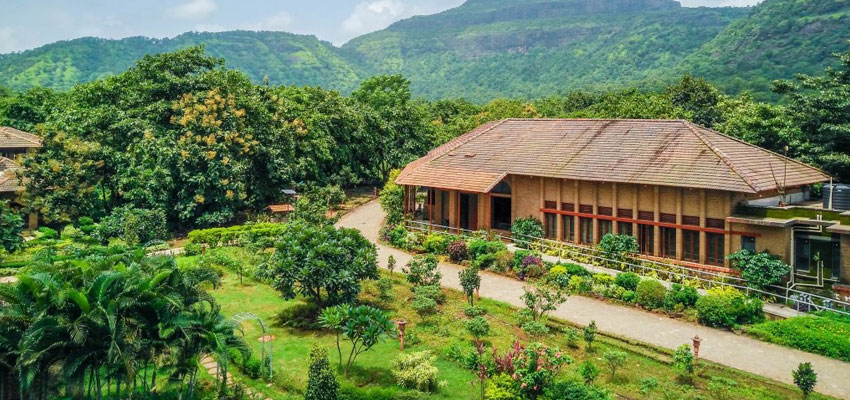
Circular Economy in Action
Location & Setting
Govardhan Ecovillage is located in Palghar district, around 100 km north of Mumbai, at the foothills of the Sahyadri ranges.
The Experience
Part spiritual retreat, part ecological model village, guests experience farm-to-table food, nature walks, and sustainability education alongside comfortable accommodation.
The Eco-Edge
Why It Matters
This is sustainability at a systems level, proving tourism can be regenerative rather than extractive.
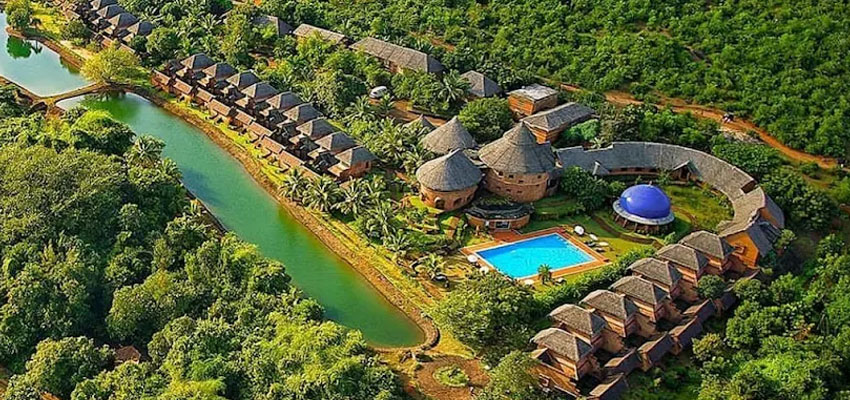
Water Sovereignty as Luxury
Location & Setting
SwaSwara is located near Gokarna, Karnataka, between the Arabian Sea and forested hills, in a region historically affected by water scarcity.
The Experience
A wellness retreat focused on Ayurveda, yoga, and mindfulness, with open courtyards and nature-integrated villas encouraging slow, intentional living.
The Eco-Edge
Why It Matters
Water independence is emerging as one of the most critical sustainability benchmarks globally.
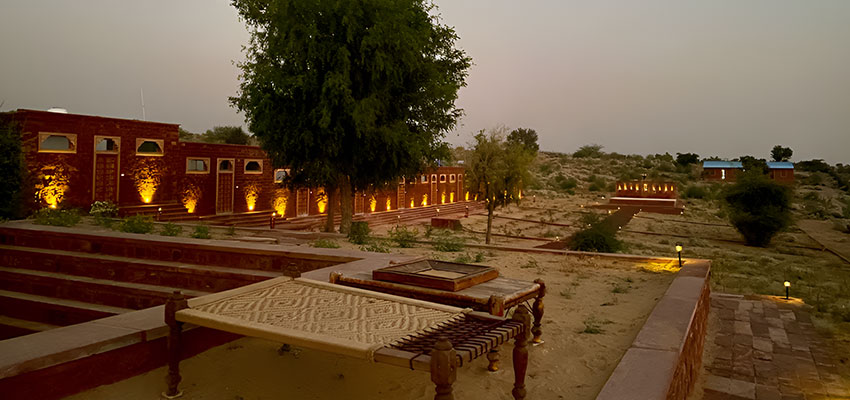
Carbon-Neutral Design in the Thar Desert
Location & Setting
Kaner Retreat lies on the outskirts of Jodhpur, Rajasthan, in the arid Thar Desert region.
The Experience
Guests stay within a desert botanical landscape, surrounded by native plants, with architecture designed to remain cool naturally.
The Eco-Edge
Why It Matters
This retreat proves that vernacular architecture often outperforms modern technology in harsh climates.
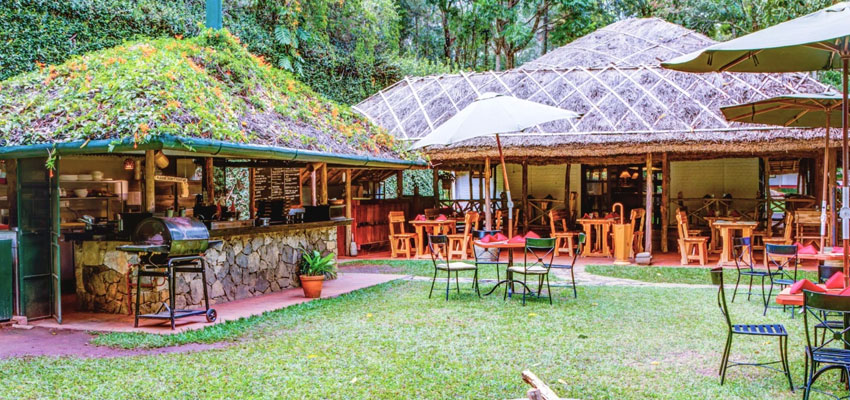
Solar-Powered Hospitality in the Western Ghats
Location & Setting
Spice Village is located in Thekkady, Kerala, on the edge of the Periyar Wildlife Sanctuary, one of India’s most biodiverse forest reserves. Nestled within the Western Ghats—a UNESCO World Heritage biodiversity hotspot—the property is surrounded by spice plantations, rainforest canopy, and rolling hills.
This is a region where ecological balance is fragile, and tourism pressure can directly impact wildlife corridors and local livelihoods.
The Experience
The resort is designed like a traditional tribal village, with individual cottages scattered across landscaped gardens rather than clustered buildings. Guests wake to birdsong, walk shaded forest paths, and experience nature without artificial distractions.
Activities include guided nature walks, spice plantation visits, cultural interactions with local communities, and quiet evenings that encourage slow, mindful travel rather than entertainment-driven tourism.
The Eco-Edge
Why It Matters
Food systems are among tourism’s largest hidden carbon contributors. By sourcing locally, Spice Village dramatically reduces emissions linked to transport, refrigeration, and industrial agriculture—turning everyday meals into climate action.
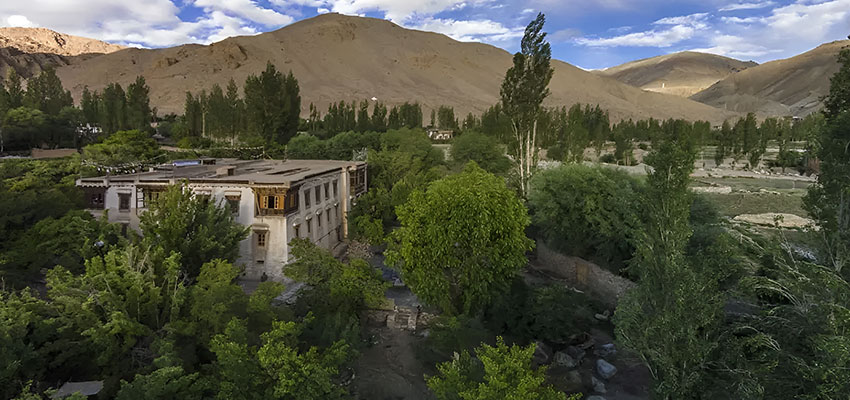
High-Altitude Sustainability in a Cold Desert
Location & Setting
Nimmu House is located near Leh, Ladakh, at the dramatic confluence of the Indus and Zanskar rivers. Sitting at high altitude in a cold desert environment, the region experiences extreme temperature variations, long winters, and limited natural resources.
In such climates, conventional hospitality models are environmentally destructive due to heating and fuel demands.
The Experience
This is a restored Ladakhi noble heritage home, offering a deeply intimate stay rather than hotel-style luxury. Guests experience mountain silence, expansive valley views, and a rhythm of life shaped by geography and season.
Hospitality here is personal, unhurried, and rooted in local tradition—ideal for travellers seeking cultural depth and contemplative travel.
The Eco-Edge
Why It Matters
Sustainability must respond to geography. Nimmu House demonstrates that context-specific solutions, not imported technology, are key to near-carbon-neutral living in extreme environments.
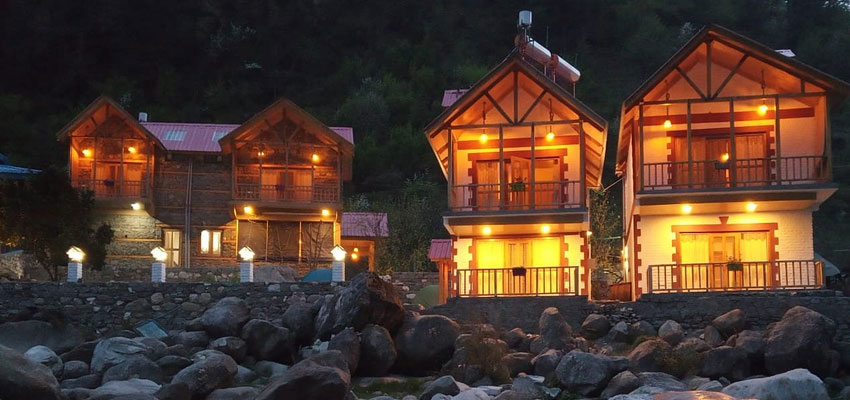
Micro-Hydro Power, Macro Environmental Impact
Location & Setting
Abode of Woods is located in Tirthan Valley, Himachal Pradesh, close to the Great Himalayan National Park, a UNESCO World Heritage Site known for pristine forests and river ecosystems.
This remote mountain valley is characterised by clean rivers, dense forests, and minimal human intervention.
The Experience
The stay is deliberately small and intimate, offering rustic cabins that blend seamlessly into the landscape. Guests come here for solitude, long walks, river sounds, and a complete digital and mental reset.
This is slow travel at its purest—no crowds, no schedules, and no excess.
The Eco-Edge
Why It Matters
Decentralised renewable energy is one of the most effective climate solutions. Tourism here actively supports local clean energy infrastructure, rather than draining it.
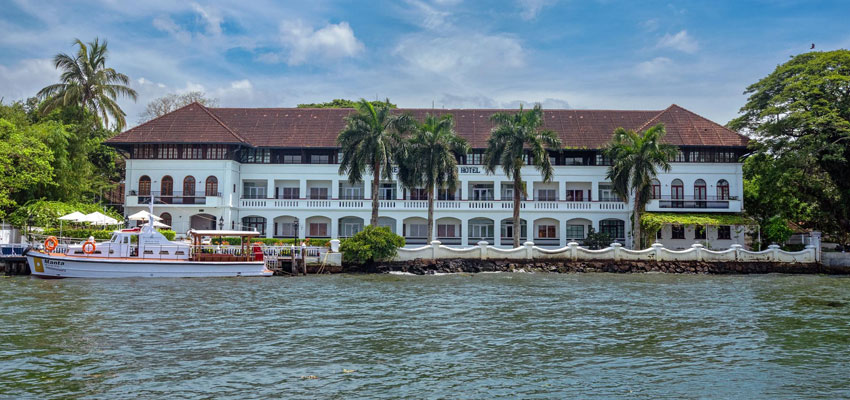
Urban Sustainability Done Right
Location & Setting
Brunton Boatyard is located in Fort Kochi, a historic coastal neighbourhood in Kerala known for its colonial architecture, maritime history, and dense urban fabric.
Urban sustainability is particularly challenging due to population density, infrastructure strain, and resource competition.
The Experience
This heritage hotel combines colonial-era aesthetics with modern comfort. Guests enjoy waterfront views, heritage interiors, and easy access to Kochi’s cultural life—galleries, cafés, and historic streets.
Despite being in a city, the atmosphere remains calm and measured.
The Eco-Edge
Why It Matters
Cities are on the frontlines of climate change. Brunton Boatyard proves that urban hotels can become sustainability leaders, not environmental liabilities.
Experience India with eco-conscious luxury tours designed for responsible travelers. Stay in handpicked sustainable hotels.
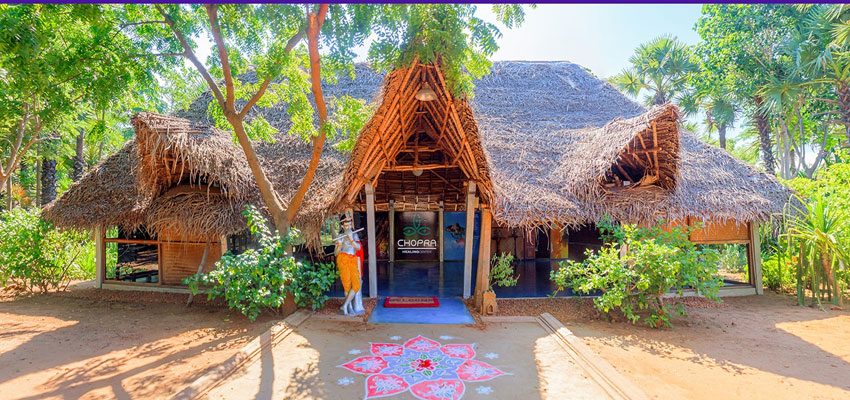
A Living Laboratory of Sustainable Design
Location & Setting
The Dune Eco Village & Spa is located near Puducherry, along India’s southeastern coastline, surrounded by coastal vegetation and open land rather than dense urban development.
The Experience
More than a resort, The Dune functions as a creative eco-village. Each bungalow is artistically designed, offering guests a sense of individuality and connection with nature.
The atmosphere is informal, reflective, and well-suited for long stays, creative retreats, and wellness-focused travel.
The Eco-Edge
Why It Matters
Reuse and adaptive architecture often have a far lower environmental impact than new construction. The Dune demonstrates that sustainability can also be creative, experimental, and beautiful.
Climate responsibility is no longer optional. For luxury travellers, it has become a marker of values, intelligence, and foresight.
These ten properties prove that:
Sustainable travel begins with asking better questions:
The properties in this guide answer those questions with action—not marketing.
True luxury in the next decade will be defined not by how much a traveler consumes—but by how lightly they tread.
These eco-stays represent a quiet revolution in Indian hospitality—one that replaces indulgence with intention and replaces greenwashing with measurable impact.
For the conscious traveler, this is where the journey truly begins.
Enquire now and connect with a dedicated Travel Expert who will respond within 24 hours to begin crafting your private journey.

Dev
Travel Expert
12+ yrs experience

Have a look at our original experiences and then contact us with your questions, or call +91-9351360903

Our Experts will send you a detailed holiday itinerary specified to your desires. It's our service promise to you.

Tailor-made doesn't mean expensive! Ask about our price promise and book with financial security.
A carbon-neutral eco-stay offsets or eliminates its carbon emissions through renewable energy, sustainable construction, water management, and verified circular practices.
Eco-friendly hotels may adopt small initiatives, while truly sustainable hotels integrate sustainability into energy, water, food, waste, and community systems from the ground up.
Greenwashing occurs when hotels market themselves as “eco” without measurable impact, certifications, or transparent sustainability practices.
Yes, some properties are verified through certifications, UN tourism awards, carbon accounting, or independent sustainability audits.
Absolutely. Sustainable luxury focuses on quality, privacy, space, and experience rather than excess consumption or scale.
Yes. These properties offer high comfort standards, safety, and professional hospitality while maintaining strong sustainability ethics.
No. Many carbon-neutral eco-stays redefine comfort through thoughtful design, silence, nature immersion, and personalized service.
Most off-grid eco-stays use solar, wind, micro-hydro, or hybrid renewable systems combined with energy-efficient architecture.
Water-independent properties reduce pressure on local communities and ecosystems, especially in water-scarce regions.
Passive architecture—using natural materials, insulation, airflow, and orientation—reduces the need for air-conditioning and artificial heating.
Yes. Many sustainable eco-stays are ideal for slow travel, family stays, wellness retreats, and longer immersive experiences.
They employ local staff, source food locally, preserve traditional building knowledge, and reinvest in regional economies.
Not always. While some eco-luxury stays are premium, many sustainable properties offer excellent value due to lower operational overheads.
Ask about energy sources, water management, waste treatment, food sourcing, and whether sustainability claims are measurable.
Yes. Low-density, low-impact eco-stays are specifically designed to protect biodiversity and minimize environmental disturbance.
India combines traditional knowledge, climate-responsive architecture, biodiversity, and growing awareness—making it ideal for authentic sustainable tourism.