Royal Palace Stays in India
17 Sep 2025
Every year, thousands of international travelers face the same beautiful dilemma when planning their first luxury journey to India: Rajasthan or Kerala?
It is not a trivial choice. These two destinations represent almost entirely different versions of India - different landscapes, different architecture, different pace, different cuisine, different atmosphere, and different reasons for travel. One is the land of desert forts, royal palaces, and vibrant bazaars. The other is the land of tropical backwaters, spice-scented hills, and ancient wellness traditions. Choosing between them is less about which is "better" and more about which India you are ready to meet first.
This guide is designed to answer that question honestly - comparing Rajasthan and Kerala across every dimension that matters to a discerning international traveler: landscape, culture, luxury accommodation, cuisine, best time to visit, travel pace, and the experiences that define each destination. It ends with the observation that for many travelers, the most satisfying answer is not a choice at all.
Rajasthan feels like a living museum of royal India - grand, vibrant, architecturally extraordinary, and historically immersive. Kerala feels like nature's quiet sanctuary - serene, tropical, restorative, and deeply tied to the rhythms of water, earth, and ancient medicine. Understanding this fundamental contrast is the starting point for everything else.
Rajasthan’s Royalty or Kerala’s Serenity?
Whether you seek historic forts, colorful culture, and desert landscapes or lush greenery, wellness retreats, and peaceful waterways, your perfect Indian journey starts here.
Rajasthan occupies the northwestern corner of India and covers an area larger than Germany. It is defined by the Thar Desert to the west, the Aravalli mountain range running diagonally through its centre, and a series of historic cities - Jaipur, Udaipur, Jodhpur, Jaisalmer, Bikaner, Pushkar - each built around a different chapter of Rajput royal history.
For international travelers, Rajasthan represents the India of imagination: towering medieval forts, ornate marble palaces, colorful markets laden with textiles and gemstones, camel safaris across the dunes at sunset, tiger sightings in Ranthambore National Park, desert camps under an extraordinary night sky, and a hospitality tradition that traces its roots directly to the Rajput kingdoms that once competed to outdo each other in generosity toward guests.
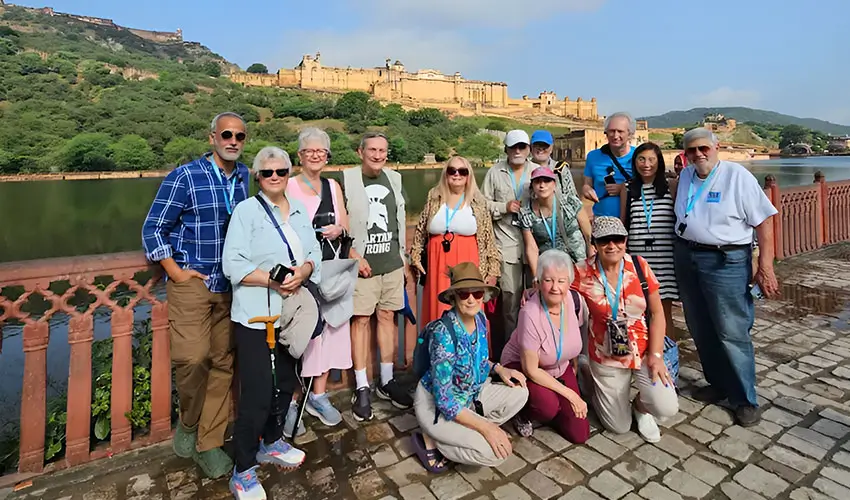
Architecture and Heritage Rajasthan contains some of the most spectacular medieval architecture in the world. Mehrangarh Fort in Jodhpur rises 125 metres above the blue city on a sheer rocky outcrop. Amber Fort in Jaipur climbs a hillside above a lake in a series of courtyards and mirror-inlaid halls. Jaisalmer Fort rises from the Thar Desert in golden sandstone, the only living medieval fort in India. The City Palace complex in Udaipur overlooks Lake Pichola in a city so romantic it is known as the Venice of the East. Each of these structures is a complete world - there is more history, art, and atmosphere in a single Rajasthan fort than in the entire historic districts of most European cities.
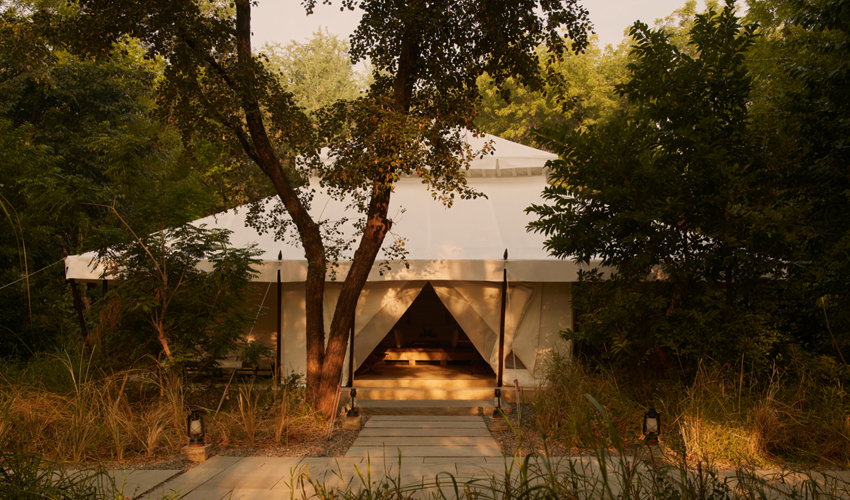
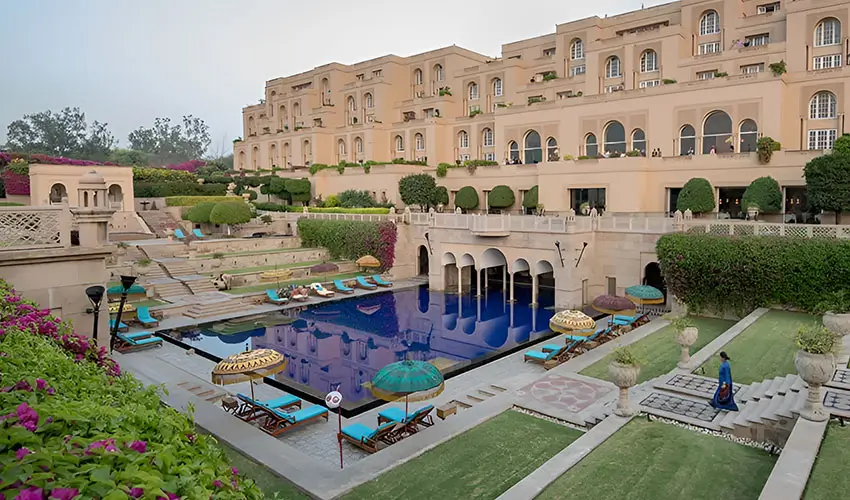
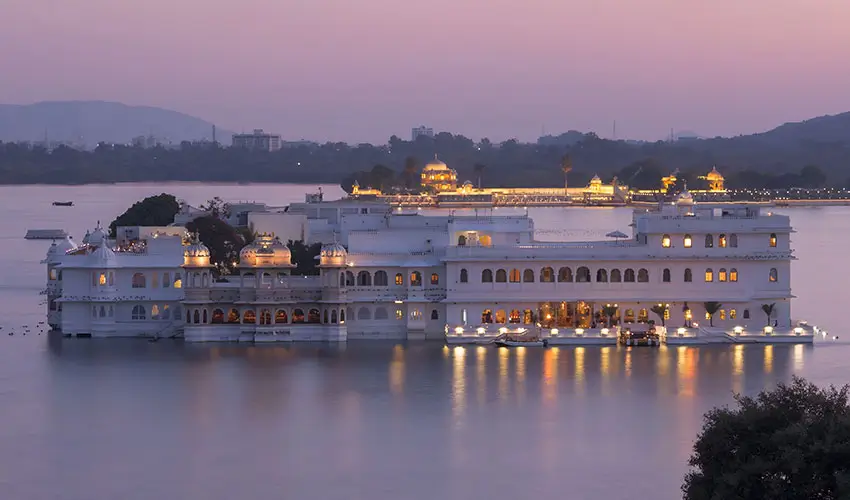
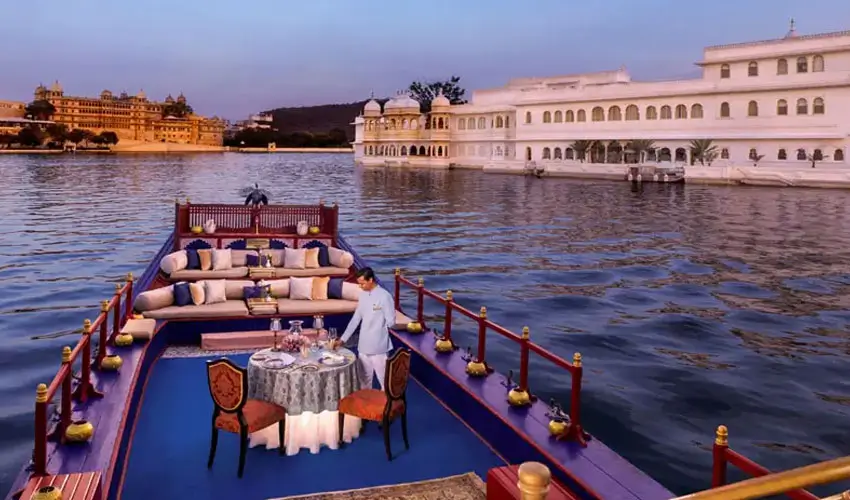
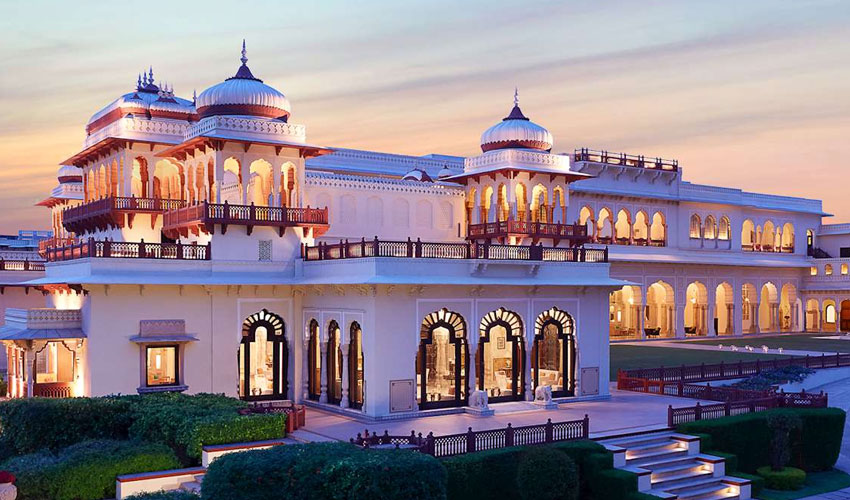
Luxury Palace Hotels No discussion of Rajasthan is complete without its palace hotels - one of the most extraordinary categories of accommodation anywhere in the world. Taj Rambagh Palace in Jaipur, once the principal residence of the Maharaja, now serves meals in gilded dining rooms and hosts guests in suites where royalty once slept. The Oberoi Rajvilas, ranked by Travel + Leisure as the Best Hotel in the World in 2024, sits within 32 acres of peacock-filled gardens. Taj Umaid Bhawan Palace in Jodhpur - one of the largest private residences on earth - is still partially occupied by the royal family. Taj Lake Palace floats in the middle of Lake Pichola in Udaipur, accessible only by boat, its white marble glowing at sunset against the surrounding water. Nowhere else in the world do luxury hotel and genuine royal history intersect so completely.
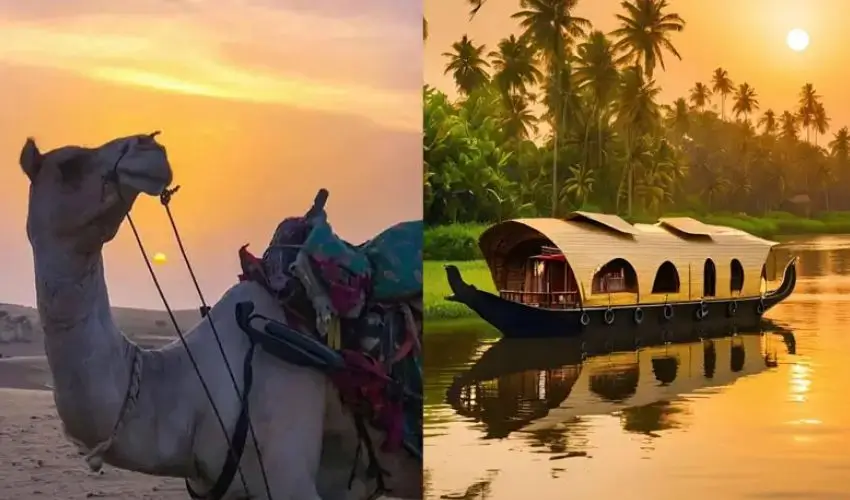
Cultural Immersion and Experiences Rajasthan is India at its most visually intense: folk music performed at candlelit heritage dinners; traditional puppeteers working ancient craft forms in market squares; block-printing workshops in Jaipur's old city where artisans hand-print textiles using techniques unchanged for centuries; camel safaris into the Sam Sand Dunes outside Jaisalmer, followed by dinner at a private desert camp under the stars; tiger safaris at dawn in Ranthambore; hot air balloon rides over the pink rooftops of Jaipur at sunrise. The experiential range is extraordinary.
Food Rajasthani cuisine is distinctive, bold, and historically rooted in the constraints of desert survival. Dal Baati Churma - lentils served with baked wheat balls and a crumbled sweet - is the state's iconic dish. Laal Maas, a fiery red mutton curry, reflects the Rajput hunting tradition. The royal kitchens produced elaborate multi-course meals for maharajas, and palace hotel dining in Rajasthan offers the finest version of this tradition. The cuisine pairs naturally with the architecture and atmosphere: grand, layered, and deeply connected to the land.
Kerala stretches along the southwestern tip of India between the Western Ghats and the Arabian Sea. It is a narrow coastal state of extraordinary natural variety - 900 kilometres of backwater canals connecting lakes, lagoons, and rivers; mist-covered tea and spice plantations in the Munnar hill stations at 1,600 metres; ancient rainforests in Wayanad; the Periyar Wildlife Sanctuary where elephants wade through a mountain reservoir; and golden beaches at Varkala and Kovalam where the Arabian Sea meets dramatic cliffs.
Kerala is also the birthplace of Ayurveda - the 5,000-year-old Indian system of medicine - and hosts some of the most authentic and well-regarded Ayurvedic wellness retreats in the world. It is one of India's most literate, progressive, and cosmopolitan states, with a history of spice trade connections that brought Portuguese, Dutch, British, Arab, Jewish, and Chinese influences to its shores long before modern tourism existed.
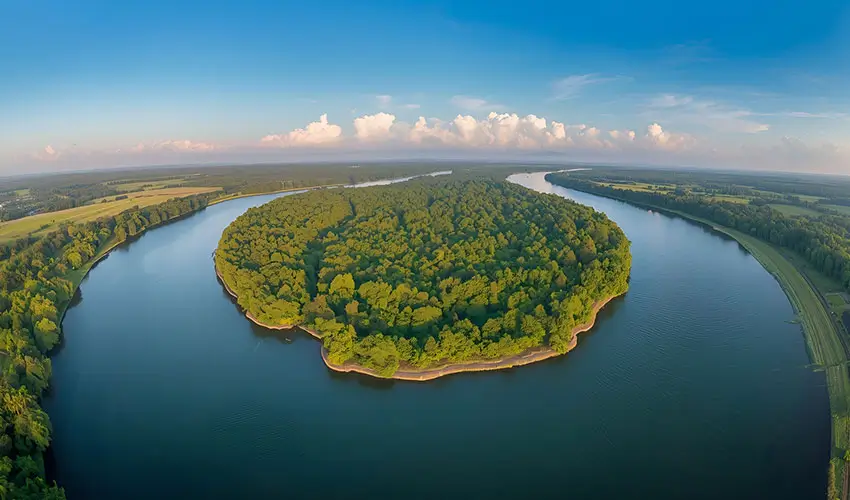
The Backwaters The Kerala backwaters are unlike anything else in the world: a 900-kilometre network of brackish lagoons, rivers, lakes, and canals that stretch from Kochi in the north to Kollam in the south, sustaining a web of village life that has changed very little in generations. Traditional kettuvallam houseboats - once rice-cargo barges, now fitted with bedrooms, open sun decks, and fully equipped kitchens - allow travelers to drift through this landscape at the pace of the water itself. A private luxury houseboat on the backwaters between Alleppey and Kumarakom - with a private cook preparing Kerala fish curry and prawn moilee from local ingredients while coconut palms lean over the canal and kingfishers dart through the reeds - is one of the most peaceful travel experiences available anywhere in India.
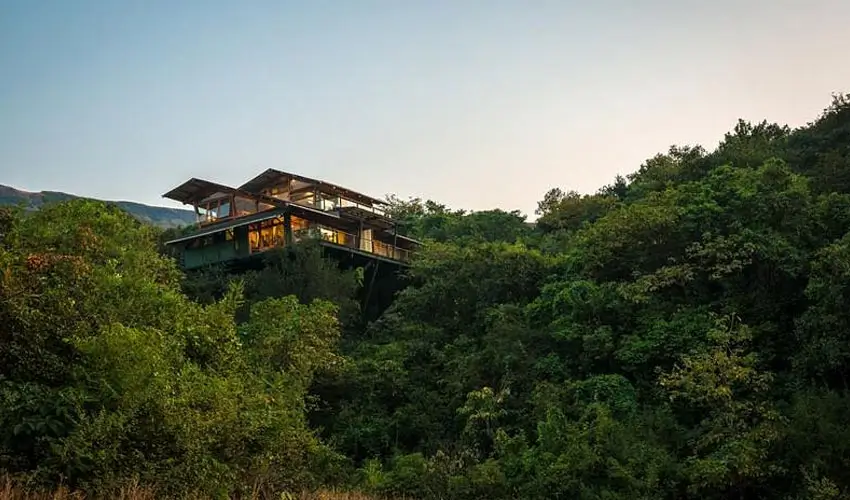
Hill Stations and Tea Estates Munnar, in the Western Ghats above the coastal plains, is one of India's most beautiful hill stations: a continuous carpet of tea bushes covering slopes that descend into valleys of extraordinary stillness. Walking through a tea estate at dawn, when the air is cool and the mist is still settling on the lower leaves, is a complete sensory experience. Wayanad and Thekkady offer similar hill-station atmospheres with the addition of wildlife sanctuaries where elephants, gaurs, and the occasional leopard can be observed from boat cruises on mountain reservoirs.
Ayurveda and Wellness Kerala is the global home of Ayurveda - and not the spa-menu version available elsewhere in the world, but a genuine, medically rigorous tradition of holistic treatment that has been practised in the same communities for thousands of years. A Panchakarma retreat in Kerala - typically seven to twenty-one days at a specialist property - is a transformative experience for travelers seeking restoration alongside culture. The monsoon season (June to September) is actually considered the optimal time for Ayurvedic treatment in Kerala, when humidity opens the skin's pores and the body is most receptive to the medicines. Many international wellness travelers plan their Kerala visits specifically for this season.
Fort Kochi and History Kochi (Cochin) holds one of the most layered colonial histories of any city in India. Fort Kochi, the old colonial quarter, contains St. Francis Church (the oldest European church in India, where Vasco da Gama was initially buried in 1524), the Dutch Palace at Mattancherry (with its extraordinary mural paintings of scenes from the Ramayana), the Paradesi Synagogue in Jew Town (the oldest active synagogue in the Commonwealth), and the iconic Chinese fishing nets that line the waterfront - a technology brought to Kerala from the court of Kublai Khan. An evening Kathakali performance - the elaborate classical dance-drama of Kerala - provides a window into a cultural tradition as ancient and refined as any in the world.
Food Kerala cuisine is defined by its geography: coconut, seafood, rice, and spices form the foundation of a culinary tradition that is lighter, more tropical, and more aromatic than the bold flavors of the north. Kerala fish curry cooked in a clay pot with kokum and coconut milk; appam (lace-edged rice hoppers) with stew; prawn moilee in a delicate turmeric-and-coconut broth; the Kerala Sadya - a traditional feast of twenty-odd dishes served on a banana leaf - these are experiences of extraordinary distinctiveness. Kerala's spice trade heritage means that cinnamon, cardamom, black pepper, and nutmeg appear in ways that give the cuisine an aromatic complexity found nowhere else.
| Rajasthan | Kerala | |
| Landscape | Desert, forts, lakes, mountains | Backwaters, tea hills, beaches, rainforest |
| Atmosphere | Grand, vibrant, historically intense | Serene, tropical, restorative |
| Best For | Heritage, culture, wildlife, palaces | Wellness, nature, backwaters, slow travel |
| Luxury Stays | Palace hotels, heritage forts, desert camps | Houseboats, plantation stays, lake resorts |
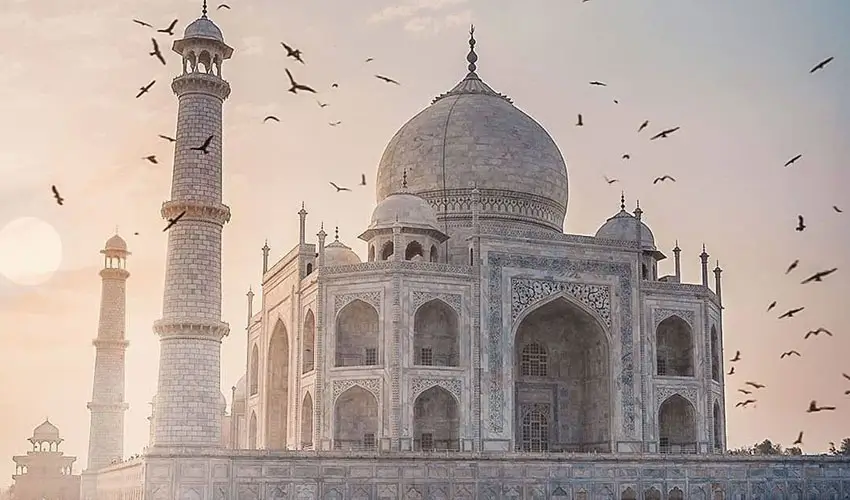
| Signature Experience | Sunrise over Mehrangarh Fort / Taj Mahal | Night on a private backwater houseboat |
| Cuisine Character | Bold, rich, desert-inspired | Light, coastal, coconut-spice |
| Best Season | October to March | September to March (Ayurveda: June–Sept) |
| Pace | Active, city-to-city, monument-rich | Slow, nature-focused, restorative |
| Family Suitability | Excellent - forts, safaris, activities | Excellent - gentle, safe, nature-focused |
| Honeymoon Appeal | Very high - romantic palaces, desert sunsets | Very high - backwaters, beaches, candlelit dinners |
| First India Visit | Strongly recommended | Wonderful, but more rewarding as second visit |
| First India Visit | Strongly recommended | Wonderful, but more rewarding as second visit |
| Wildlife | Tigers (Ranthambore), leopards (Jawai) | Elephants (Periyar), birds |
| Historical Depth | Extraordinary - Mughal & Rajput heritage | Colonial, trade history, Ayurvedic tradition |
Choose Rajasthan first if:
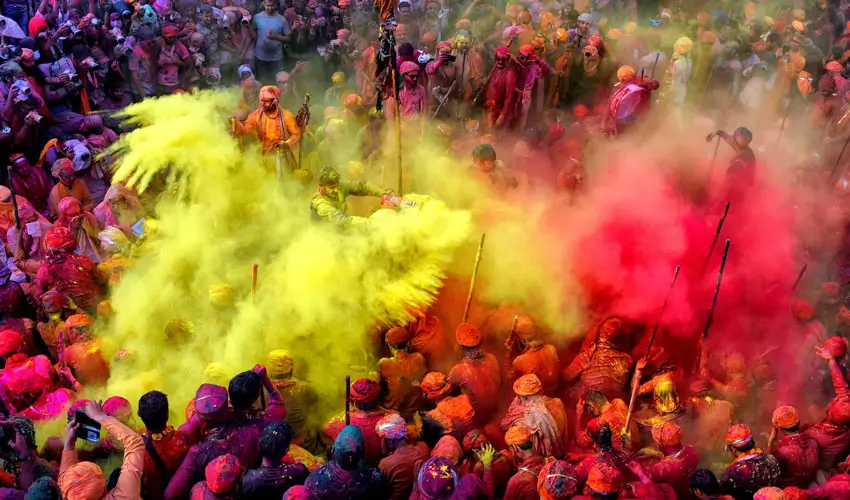
You are visiting India for the first time and want to understand the country's most iconic heritage. The Taj Mahal, Amber Fort, Mehrangarh Fort, City Palace, and Jaisalmer - these are the structures and landscapes that define India's image in the global imagination, and experiencing them in person is irreplaceable. Rajasthan also provides the full spectrum of India's cultural energy: the bazaars, the festivals, the folk music, the street life, the palace dinners. If you want active, immersive travel with a sense of historical discovery, Rajasthan is the right starting point.
Choose Kerala first if:
You are traveling for wellness, restoration, or nature - and you want India to feel gentle rather than overwhelming. Kerala's backwaters and hill stations provide a slower, more meditative introduction to the country. If Ayurveda, yoga, or a digital detox is part of your travel intention, Kerala has the resources and the atmosphere to deliver it authentically. If you have already experienced the Golden Triangle or Rajasthan on a previous India trip and want a completely different perspective, Kerala provides the perfect counterpoint.
Choose both if:
You have fourteen days or more and want a first India journey that captures the country's full range. The Rajasthan to Kerala combination - or its reverse - is the most satisfying single India itinerary available to international travelers. Moving from the Rajasthan desert to the Kerala backwaters over the course of two weeks creates a journey of remarkable contrast: from the grandest architecture in the subcontinent to its most serene waterways; from palace hotel dining to fresh fish curry served on a houseboat deck at sunset. The transition is itself part of the experience.
Rajasthan or Kerala? Discover Your Perfect Indian Escape
From Rajasthan’s majestic palaces and vibrant heritage to Kerala’s tranquil backwaters and tropical beauty, find the destination that matches your travel style and creates memories that last a lifetime.
Rajasthan The ideal window for Rajasthan is October through March, when temperatures are comfortable for sightseeing - warm and sunny during the day, cool at night. December and January are the peak months with the finest weather. November, February, and March offer excellent conditions with slightly fewer crowds. April and May are extremely hot across the north and not recommended for first-time visitors. Ranthambore National Park is closed from July through September.
Kerala Kerala is comfortable for visitors from September through March. The winter months (November–February) are the peak season with dry, mild weather across the backwaters and hill stations. October and early November are also beautiful, as the post-monsoon landscape is lush and intensely green. June through September brings the southwest monsoon - heavy rain across much of the state - but this is actually the optimal season for Ayurvedic treatment, and a growing number of international wellness travelers time their Kerala visits specifically for this period. The Kerala backwaters and hill stations remain beautiful even in the rain for those seeking a more private and atmospheric experience.
The combination window: For travelers visiting both Rajasthan and Kerala on a single India journey, October through March accommodates both destinations comfortably. Begin in Rajasthan in the north and conclude in Kerala in the south, or reverse the order - both sequences work well.
This is a genuinely close comparison. Both Rajasthan and Kerala offer extraordinary luxury travel experiences, but of entirely different kinds.
Rajasthan's luxury is defined by palace heritage - properties where you are genuinely sleeping in the quarters of maharajas, dining in gilded ballrooms, and being served by staff whose families have worked in royal households for generations. The Oberoi Rajvilas, Taj Rambagh Palace, Taj Umaid Bhawan, Taj Lake Palace, RAAS Jodhpur - these are world-class properties by any international standard, regularly appearing on the world's best hotels lists. The luxury is immersive, theatrical, and deeply rooted in Indian royal culture.
Kerala's luxury is defined by natural intimacy - a private luxury houseboat gliding through canals where no other vessel can reach, a plantation bungalow surrounded by five hundred acres of tea bushes and birdlife, a lakeside villa in Kumarakom where the only sounds are the water and the birds. The finest Ayurvedic wellness retreats in Kerala - Kalari Kovilakom, CGH Earth properties, Somatheeram - offer treatment programmes of a quality and authenticity not available anywhere else in the world. The luxury is quieter, more personal, and more restorative.
For pure palace grandeur and historical drama, Rajasthan wins. For natural beauty, wellness, and quiet luxury, Kerala is unmatched.
Many travelers who ask the Rajasthan or Kerala question discover, on reflection, that the real question is how to include both. A 14-day India itinerary can comfortably combine the highlights of both:
Classic North-to-South Combination: Delhi (2 nights) → Agra / Taj Mahal (1 night) → Jaipur (2 nights) → Ranthambore (2 nights) → Jodhpur (2 nights) → Udaipur (2 nights) → Kochi (1 night) → Alleppey backwaters (1 night) → Munnar (1 night)
This sequence moves from the grandeur of the Golden Triangle through Rajasthan's royal cities to the Kerala backwaters and hill stations - a journey of complete contrast, beginning and ending in the country's most atmospheric landscapes. It is the structure of the most satisfying first India journey we know.
At Top India Luxury Tours, many of our most memorable private itineraries combine exactly this north-south arc - designed entirely around the travel style, dates, and interests of each guest, with palace hotels in Rajasthan and private houseboat nights in Kerala as the defining experiences at either end of the journey.
Enquire now and connect with a dedicated Travel Expert who will respond within 24 hours to begin crafting your private journey.

Dev
Travel Expert
12+ yrs experience

Have a look at our original experiences and then contact us with your questions, or call +91-9351360903

Our Experts will send you a detailed holiday itinerary specified to your desires. It's our service promise to you.

Tailor-made doesn't mean expensive! Ask about our price promise and book with financial security.
For most first-time international visitors, Rajasthan is the stronger first choice - because it contains India's most iconic architectural heritage, its most dramatic luxury palace hotels, and the cultural energy that most travelers associate with the country. Kerala is absolutely wonderful as a first destination for travelers seeking wellness, nature, and a slower pace - but its character is easier to appreciate after understanding India's northern cultural foundation. That said, many seasoned travelers argue that starting with Kerala's gentler welcome makes the transition into India's complexity more manageable for first-timers.
Both are exceptional for a luxury honeymoon in India, but they offer different kinds of romance. Rajasthan gives you candlelit palace dinners, private desert sunsets at Jaisalmer, boat rides on Lake Pichola with the floating palace glowing in the distance, and royal suite stays with four-poster beds and marble bathrooms. Kerala gives you a private houseboat night on the backwaters under brilliant stars, Ayurvedic couples treatments at a lakeside resort, and candlelit dinners on a plantation terrace with mist-covered hills below. The best India honeymoon often combines both - ending in Kerala after a Rajasthan journey is the classic formula.
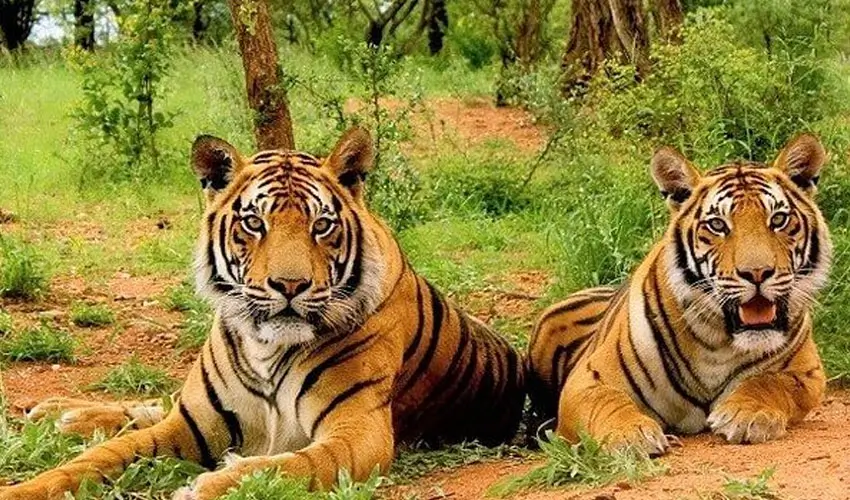
Rajasthan has the edge for dramatic wildlife experiences. Ranthambore National Park is one of India's best tiger reserves, with high sighting probability and the extraordinary atmosphere of tigers amid medieval ruins. Jawai, between Jodhpur and Udaipur, offers leopard tracking in a landscape of boulders and Bishnoi villages - one of India's most distinctive wildlife experiences. Kerala's Periyar Wildlife Sanctuary is excellent for elephant sightings from boat cruises on the reservoir, and Wayanad has beautiful birdlife and biodiversity. For pure wildlife impact, Rajasthan is harder to beat.
Kerala without question. It is the global home of authentic Ayurveda - a medical tradition, not simply a spa menu - and the quality, depth, and authenticity of Ayurvedic wellness retreats in Kerala is unmatched anywhere in the world. Rajasthan has excellent spas and wellness offerings at its palace hotels, but these are hospitality amenities rather than medical traditions. For any traveler whose primary purpose involves Ayurveda, Panchakarma, yoga, or wellness restoration, Kerala is the right destination.
Rajasthan rewards longer stays - a minimum of 7 nights to cover Jaipur, Jodhpur, and Udaipur at a reasonable pace, with 10–12 nights preferred to add Jaisalmer, Ranthambore, or Pushkar. Kerala can be beautifully experienced in 5–7 nights - a night in Kochi, a night on the backwaters, two nights in Munnar - though a longer stay allows for Ayurvedic treatment or deeper exploration of the coast. A combined Rajasthan and Kerala journey works best at 14 nights or more.
Yes. Domestic flights connect major Rajasthan cities - Jaipur, Jodhpur, Udaipur - to Kochi International Airport in Kerala, typically in 2–3 hours including a connection through Mumbai or Delhi. Many luxury itineraries make the transition seamlessly, often flying from Udaipur to Kochi in the early afternoon and arriving in Kerala in time for dinner. A well-designed private India tour handles all these connections as part of the itinerary, so travelers simply board their flight and arrive at their next hotel.
Both are excellent for families, but in different ways. Rajasthan's forts, wildlife safaris, desert activities, and cultural performances provide high engagement for children of all ages - the palaces and forts are particularly exciting for young imaginations. Kerala's gentle pace, boat rides, wildlife encounters, and spice plantation walks are well suited to older children and teenagers who appreciate nature. For younger children, Kerala's calmer environment is often easier to manage. Many luxury family itineraries combine both, giving children a mix of adventure and nature.
Both offer extraordinary regional cuisines, but they are very different. Rajasthani food is bold, rich, and meat-forward - Dal Baati Churma, Laal Maas, and the royal kitchen traditions of the palace hotels are memorable in their grandeur. Kerala cuisine is lighter, more aromatic, and coconut-and-seafood-forward - Kerala fish curry, appam with stew, the Kerala Sadya feast are among the most distinctive culinary experiences in India. Most luxury hotels in both destinations offer international menus alongside regional cuisine, so dietary preferences and restrictions are easily accommodated.
Both are considered among the safer destinations in India for international visitors, particularly those traveling on private, supported itineraries with dedicated guides and drivers. Kerala has a reputation as one of India's most progressive, educated, and traveler-friendly states, with very low incidence of the kind of aggressive touting that can be experienced in some parts of north India. Rajasthan's major heritage cities - Jaipur, Udaipur, Jodhpur - are well organized for tourism and generally safe when traveling with a reputable operator. For solo female travelers on their first India visit, Kerala's gentler environment often feels more immediately comfortable.
The most requested combined itinerary among international luxury travelers is: Delhi (2 nights) → Agra (1 night, Taj Mahal) → Ranthambore (2 nights, tiger safari) → Jaipur (2 nights) → Jodhpur (2 nights) → Udaipur (2 nights) → Kochi (1 night) → Alleppey backwaters (1 night) → Munnar (1 night) - a 14-night journey that covers the essential Rajasthan royal circuit and the highlights of Kerala's natural landscape in a single private tour. This arc - from the grandeur of the north to the serenity of the south - is consistently rated by our guests as one of the most satisfying journeys available anywhere in India.
Both work beautifully in October and November. In Rajasthan, October marks the end of the monsoon - the landscapes are unusually green for the desert state, the air is clear, and temperatures are comfortable. November is one of Rajasthan's finest months for sightseeing. In Kerala, October through November sees the end of the monsoon in most areas, producing landscapes of extraordinary lushness with fewer crowds than the December peak. If combining both, November is arguably the best single month for the north-to-south India journey.
A 10-day itinerary can cover the essentials of one destination well, or the very highlights of both at a faster pace. 10 days in Rajasthan allows Jaipur, Jodhpur, and Udaipur with time to breathe. 10 days in Kerala allows Kochi, the backwaters, and Munnar comfortably. Combining both in 10 days is possible - Delhi, Agra, Jaipur, Udaipur, Kochi, Alleppey - but the pace will feel hurried, and you risk not doing justice to either. 14 days is the recommended minimum for a meaningful combined journey. If 10 days is all you have, choose one destination and experience it properly - then return for the other.