Royal Palace Stays in India
17 Sep 2025
Indian classical music is not just an art form; it is a living, evolving language that has been shaped over centuries through tradition, devotion, and disciplined practice. For a traveler, encountering this form of music is often an experience that goes beyond listening. It becomes something that is felt, observed, and gradually understood. Unlike many Western musical systems that rely heavily on fixed compositions, Indian classical music is built on improvisation within a defined framework, allowing each performance to be unique and deeply personal.
At its core, Indian classical music is divided into two major traditions: Hindustani music, which is practiced in the northern regions of the country, and Carnatic music, which is predominant in the south. Both systems share common principles but differ in style, structure, and presentation. For international travelers, this distinction may initially seem complex, but it also adds to the richness of the experience. Each tradition offers a different perspective on melody, rhythm, and expression.
What makes this musical form particularly compelling is its connection to spirituality and emotion. Music in India is not merely entertainment; it is a medium through which artists communicate deeper states of being. This is why attending a live performance often feels immersive, as the audience becomes part of a shared emotional journey. This depth is what defines cultural experiences in India, where music serves as a bridge between tradition and contemporary life.
One of the most fundamental elements of Indian classical music is the concept of the raga. While it is often described as a scale, a raga is far more complex. It is a structured set of notes combined with specific rules and patterns that guide the performance. Each raga is associated with a particular mood, time of day, or season, making it a dynamic and context-driven form of expression.
For a traveler unfamiliar with this concept, the idea that music changes based on time or emotion can be fascinating. Morning ragas tend to evoke calmness and clarity, while evening ragas often carry a sense of depth and introspection. This connection between music and time creates a unique listening experience, where the environment becomes part of the performance.
Understanding ragas enhances the appreciation of Indian music experiences, as it allows listeners to recognize the intention behind each note. Rather than focusing solely on melody, the listener begins to perceive the emotional narrative that unfolds during the performance. This layered approach to music is what makes it both challenging and rewarding for those encountering it for the first time.
Start Your Journey into Indian Classical Music
Learn the basics of ragas (melodic frameworks) and talas (rhythmic cycles) — the foundation of Indian classical music that creates powerful emotional and cultural experiences.
Another defining feature of Indian classical music is its intricate rhythmic structure, known as tala. Unlike simple time signatures, tala operates as a cyclical pattern that repeats throughout the performance. Each cycle is divided into smaller units, creating a complex framework that requires precision and coordination between musicians.
For travelers, observing this rhythmic interplay can be mesmerizing. The interaction between the lead instrument and percussion creates a dialogue that feels both structured and spontaneous. This balance between discipline and improvisation is a hallmark of traditional music in India, where technical skill and creative expression coexist.
The mathematical precision of tala also highlights the intellectual depth of Indian classical music. Musicians spend years mastering these patterns, developing the ability to improvise while staying within the framework. This level of expertise adds to the overall experience, making live performances both intellectually stimulating and emotionally engaging.
A Mehfil represents one of the most intimate ways to experience Indian classical music. Unlike large concerts, a Mehfil is a small gathering where the audience sits close to the performers, creating a direct connection between artist and listener. This setting allows for a more personal and immersive experience, where every nuance of the performance can be observed and appreciated.
For travelers, attending a Mehfil offers a unique perspective on live music experiences in India. The absence of physical distance between the performer and the audience creates a sense of immediacy that is rarely found in larger venues. The music feels more accessible, and the interaction between artist and listener becomes more meaningful.
The atmosphere of a Mehfil is often calm and focused, allowing the music to take center stage. This simplicity enhances the overall experience, making it easier for newcomers to engage with the performance. It is in these settings that the true essence of Indian classical music can be felt most strongly.
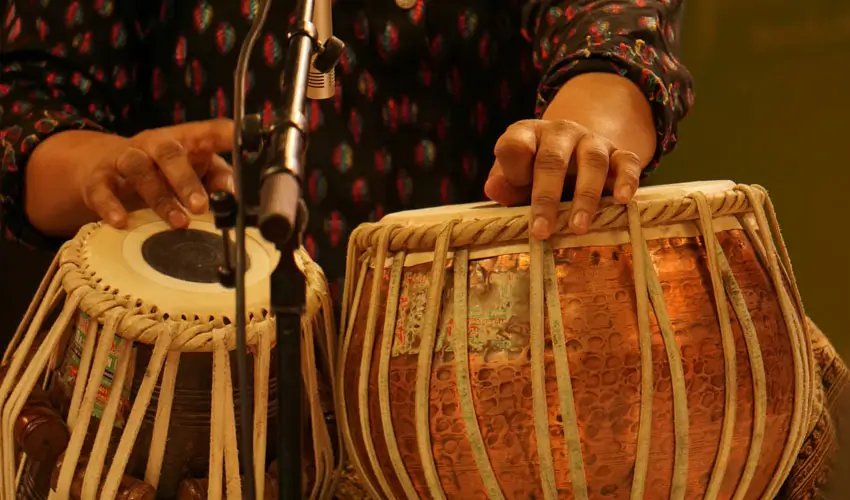
Indian classical music is characterized by a range of instruments, each contributing to the overall texture of the sound. Instruments such as the sitar, tabla, sarod, and flute are central to many performances, each bringing a unique tonal quality to the composition.
For travelers, understanding these instruments adds another layer to the listening experience. The sitar, with its resonant strings, creates a rich and melodic sound, while the tabla provides rhythmic complexity through its intricate patterns. Together, they form the foundation of many performances, showcasing the interplay between melody and rhythm.
The diversity of instruments is a reflection of the broader diversity within Indian cultural music traditions, where different regions and styles contribute to a rich and varied soundscape. This variety ensures that each performance feels distinct, offering something new for the listener to discover.
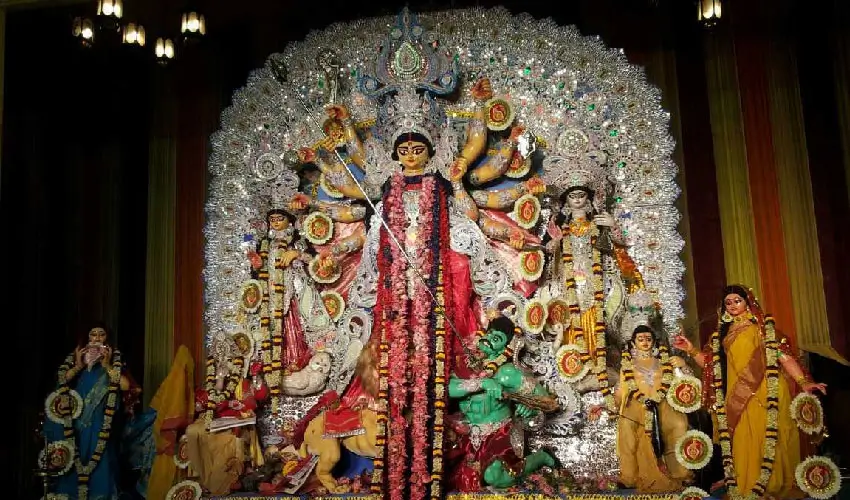
Indian classical music is deeply intertwined with spirituality. Many compositions are inspired by devotional themes, reflecting a connection between music and inner experience. For travelers, this aspect of the music can be particularly impactful, as it offers a glimpse into the philosophical foundations of Indian culture.
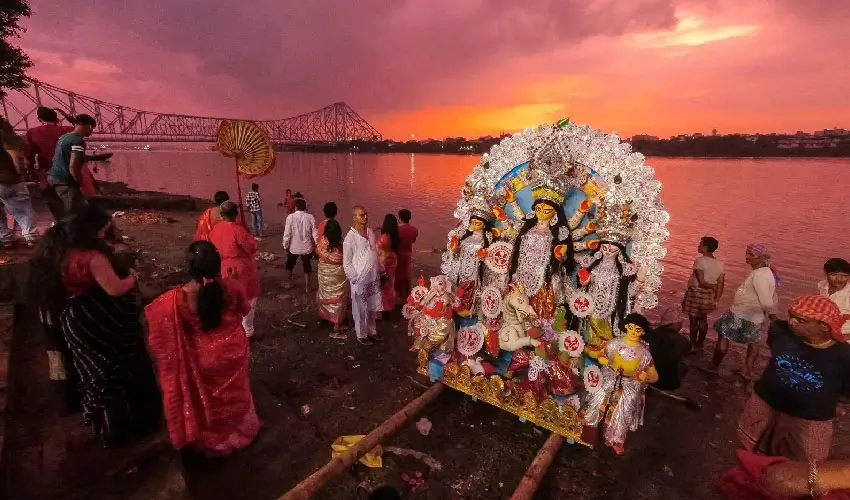
Listening to a performance in a spiritual setting, such as near a temple or along the banks of a river, enhances this connection. The environment, combined with the music, creates a sense of harmony that is difficult to describe but easy to feel. This is what makes spiritual travel experiences in India so unique, where music becomes a medium for reflection and connection.
Where Music Becomes a Spiritual Experience
Each raga is designed to evoke specific emotions — from peace and devotion to joy and longing — making Indian classical music a deeply moving experience.
For those visiting India, engaging with its classical music offers a deeper understanding of the country’s cultural identity. It provides context, revealing how tradition, art, and daily life are interconnected. This makes it an essential part of any meaningful travel experience.
Unlike passive forms of entertainment, Indian classical music invites participation. It encourages listeners to engage, observe, and interpret. This active involvement creates a more memorable experience, making it a valuable addition to any journey focused on cultural immersion in India.
Experiencing Indian classical music requires more than simply attending a performance. It involves selecting the right setting, understanding the context, and ensuring access to authentic experiences. This is where curated travel becomes important.
A well-planned private music experience in India ensures that travelers can engage with the art form in a meaningful way. From intimate Mehfils to guided sessions that explain the fundamentals of music, these experiences are designed to be both educational and enjoyable.
Enquire now and connect with a dedicated Travel Expert who will respond within 24 hours to begin crafting your private journey.

Dev
Travel Expert
12+ yrs experience

Have a look at our original experiences and then contact us with your questions, or call +91-9351360903

Our Experts will send you a detailed holiday itinerary specified to your desires. It's our service promise to you.

Tailor-made doesn't mean expensive! Ask about our price promise and book with financial security.
You can connect with experts for curated cultural experiences.
No, but understanding basic concepts enhances the experience
Yes, it often has strong connections to spirituality and philosophy.
It is an intimate musical gathering with close interaction between artists and audience.
Varanasi, Delhi, Jaipur, and other cultural centers offer performances.
Tala is the rhythmic cycle that governs the structure of the music.
Yes, with basic knowledge and exposure, it becomes easier to appreciate.
It is a traditional form of music based on ragas and rhythmic patterns.
A raga is a melodic framework associated with specific moods and times.
Hindustani and Carnatic are the two primary traditions.