Royal Palace Stays in India
17 Sep 2025
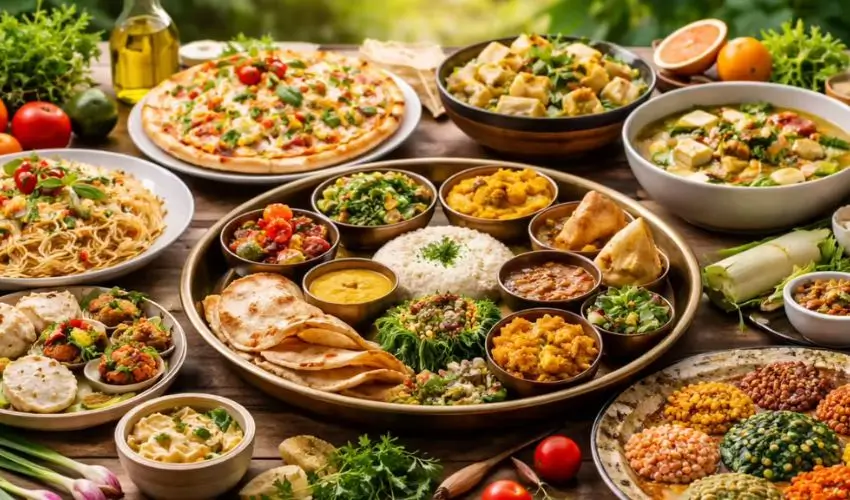
For many international travelers, one of the biggest concerns before visiting India is food. Questions about dietary restrictions, vegetarian meals, vegan options, food safety, restaurant standards, and road trip dining experiences are among the most common inquiries travel advisors receive.
Ironically, India is often one of the easiest countries in the world for vegetarians and increasingly one of the most rewarding destinations for vegan travelers. While many visitors arrive expecting dietary challenges, they quickly discover a country where plant-based cuisine has been an integral part of everyday life for centuries.
Unlike destinations where vegetarian meals feel like an afterthought, India offers entire culinary traditions built around vegetables, lentils, grains, spices, dairy products, and seasonal ingredients. In many regions, vegetarian cuisine is not a special request—it is the norm.
For luxury travelers exploring India by private car and chauffeur, food becomes one of the most enjoyable aspects of the journey. From elegant palace hotels and luxury resorts to family-owned restaurants and regional specialty kitchens, India provides endless opportunities to enjoy exceptional vegetarian and vegan cuisine.
However, understanding regional differences, dining customs, restaurant standards, and practical road trip considerations can significantly enhance the experience. With proper planning, vegetarian and vegan travelers often discover that India offers one of the most diverse and satisfying culinary journeys available anywhere in the world.
Many travelers are surprised to learn that vegetarianism has deep cultural, religious, and historical roots throughout India. For centuries, large sections of the population have followed vegetarian diets influenced by Hinduism, Jainism, Buddhism, regional traditions, and family customs.
As a result, vegetarian cuisine evolved into a sophisticated culinary tradition rather than a limited dietary alternative. Across the country, entire restaurant menus are dedicated exclusively to vegetarian food. In some cities, travelers can spend days exploring local cuisine without encountering meat dishes at all.
What makes Indian vegetarian food remarkable is its diversity. The cuisine varies dramatically from one region to another. Northern India offers rich curries, breads, lentil preparations, and dairy-based specialties. Southern India focuses on rice, coconut, fermented dishes, and lighter preparations. Western India introduces unique spice combinations and vegetarian street foods, while many Himalayan regions incorporate locally grown produce and traditional cooking methods.
Luxury travelers frequently discover that vegetarian dining in India is far more exciting than they expected. Rather than choosing between a handful of vegetarian options, they encounter extensive menus featuring dozens of dishes prepared with remarkable creativity and regional character.
This cultural acceptance also makes travel easier. Hotel staff, chefs, guides, and drivers are accustomed to dietary preferences and can often provide recommendations that align with individual requirements. The result is a dining experience that feels natural rather than restrictive.
For visitors who enjoy food as an essential part of travel, India's vegetarian traditions often become one of the highlights of the entire journey.
While vegetarian travel has always been straightforward in India, vegan travel has become significantly easier over the past decade. The growth of international tourism, wellness travel, luxury hospitality, and global culinary trends has encouraged restaurants and hotels throughout the country to accommodate plant-based diets more effectively than ever before.
Many travelers initially worry that dairy products may present challenges because ingredients such as milk, yogurt, butter, and ghee are widely used in Indian cooking. However, luxury hotels, boutique properties, and high-quality restaurants are increasingly familiar with vegan requirements and can modify dishes accordingly.
One advantage of Indian cuisine is the abundance of naturally plant-based ingredients. Lentils, chickpeas, beans, vegetables, rice, spices, coconut, and seasonal produce form the foundation of countless traditional dishes. In South India especially, coconut-based preparations often provide excellent vegan alternatives without requiring major adjustments.
Luxury properties now frequently offer dedicated vegan menus, plant-based breakfast options, dairy-free alternatives, and customized dining experiences. Chefs are generally willing to discuss ingredients and prepare dishes according to individual preferences when informed in advance.
For travelers undertaking extended road trips, communication becomes important. Working with a knowledgeable private guide or chauffeur can greatly simplify dining arrangements. Experienced drivers often know reliable restaurants, regional specialties, and establishments capable of accommodating dietary restrictions.
Many vegan travelers leave India pleasantly surprised by the quality and variety of food available. What initially seems like a challenge often becomes an opportunity to explore one of the world's richest culinary traditions through a plant-based lens.
One of the reasons India is considered a paradise for vegetarian travelers is that every region has developed its own unique culinary identity. Rather than finding the same dishes repeated across the country, travelers encounter entirely different styles of cooking as they move from one destination to another. This diversity transforms food into an important part of the travel experience rather than simply a daily necessity.
Rajasthan, for example, is famous for a remarkable variety of vegetarian dishes that evolved in a desert environment where water and fresh produce were historically limited. Traditional recipes such as dal baati, gatte ki sabzi, ker sangri, and numerous lentil-based preparations demonstrate how local communities created flavorful meals using ingredients that could withstand harsh climatic conditions. Luxury travelers staying in heritage palaces often enjoy refined versions of these dishes prepared using traditional techniques while maintaining international hospitality standards.
Gujarat is another exceptional destination for vegetarians. In many parts of the state, vegetarianism is deeply rooted in local culture. Restaurants frequently offer extensive vegetarian menus, making it one of the easiest regions in India for plant-based dining. The cuisine combines sweet, savory, and spicy flavors in ways that many international visitors find both unique and addictive.
South India offers an entirely different experience. States such as Tamil Nadu, Karnataka, and Kerala are famous for dishes built around rice, lentils, coconut, vegetables, and aromatic spices. Breakfast alone can become a culinary adventure through dosas, idlis, uttapams, and numerous regional specialties. Vegan travelers often find South India particularly accommodating because coconut milk and coconut-based preparations are widely used.
The Himalayan regions, including parts of Uttarakhand and Himachal Pradesh, provide yet another perspective on vegetarian cuisine. Here, mountain agriculture influences local food traditions, creating hearty and nutritious meals suited to cooler climates. Travelers frequently discover lesser-known dishes that rarely appear outside the region.
For luxury travelers undertaking private journeys across multiple states, this culinary diversity becomes one of India's greatest strengths. Each destination offers an opportunity to experience a new food culture while maintaining dietary preferences with ease.
Many foreign visitors worry that dietary requirements may limit their dining experiences in luxury hotels. In reality, India's luxury hospitality sector has become exceptionally skilled at accommodating vegetarian and vegan travelers. In some cases, the quality and variety of plant-based cuisine surpasses what many travelers experience at home.
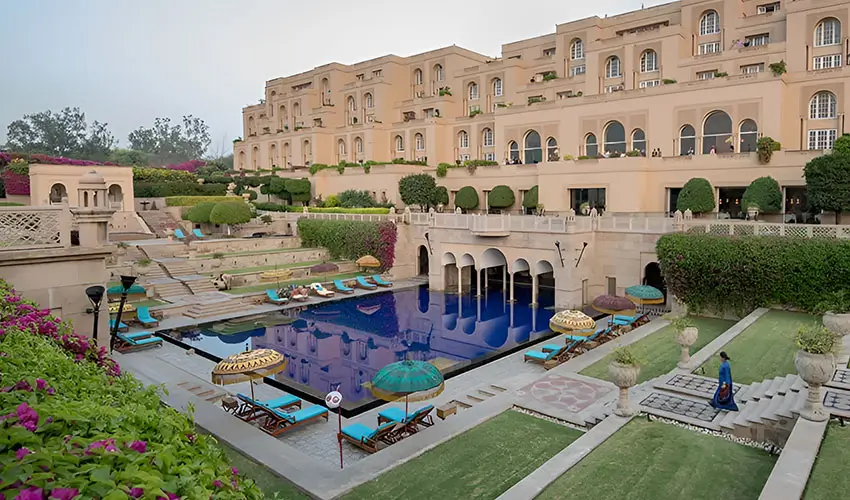
Luxury palace hotels in Rajasthan frequently offer curated vegetarian tasting menus that celebrate regional culinary traditions. Chefs draw upon centuries-old royal recipes while presenting them in sophisticated and contemporary formats. Dining becomes an experience that combines history, culture, and gastronomy rather than simply a meal.
Major luxury hotel groups throughout India now recognize the growing demand for plant-based cuisine. Dedicated vegan menus, dairy-free alternatives, and customized meal planning are increasingly common. Travelers staying at high-end properties can often discuss dietary requirements directly with chefs, resulting in highly personalized dining experiences.
One of the greatest advantages of luxury travel is access to private dining experiences. Guests may enjoy meals in palace courtyards, beside lakes, within tea plantations, overlooking the backwaters of Kerala, or in secluded garden settings. These experiences often incorporate regional ingredients and local traditions while maintaining exceptional standards of service.
International travelers are frequently surprised by the creativity of Indian chefs. Rather than simply removing animal products from dishes, many luxury properties develop entirely new menus that highlight local produce, seasonal ingredients, and innovative cooking techniques. The result is cuisine that feels sophisticated, exciting, and deeply connected to the destination.
For travelers who consider food an important part of cultural exploration, India's luxury hospitality industry offers extraordinary opportunities to experience vegetarian and vegan dining at the highest level.
One of the most rewarding ways to explore India is through a private chauffeur-driven journey. Road trips provide access to villages, countryside landscapes, lesser-known attractions, and authentic culinary experiences that many visitors never encounter. However, food planning becomes particularly important when traveling long distances.
Fortunately, experienced private drivers often play a valuable role in helping travelers navigate local dining options. Drivers familiar with tourism routes typically know reputable restaurants, clean facilities, reliable food stops, and establishments that cater to international visitors. Their recommendations can significantly enhance the overall experience.
Unlike organized group tours that follow fixed meal schedules, private road trips offer flexibility. Travelers can stop when convenient, choose restaurants that match their preferences, and adapt plans according to appetite, sightseeing schedules, or local recommendations. This flexibility is especially valuable for vegetarians and vegans seeking specific dining options.
One of the greatest joys of road travel is discovering regional cuisine. A journey through Rajasthan introduces entirely different flavors than a drive through Kerala, Gujarat, or Karnataka. Roadside dining experiences often reveal specialties that rarely appear in major cities or international restaurants.
Luxury travelers generally benefit from combining local recommendations with trusted establishments. While adventurous dining can be rewarding, maintaining consistent food quality becomes important during extended journeys. Experienced travel planners and chauffeurs help create this balance, ensuring guests enjoy authentic experiences without unnecessary risks.
Road trips also create opportunities to visit farms, spice plantations, tea estates, and local markets. These experiences provide valuable insight into the ingredients and agricultural traditions that shape Indian cuisine. For many travelers, these encounters become some of the most memorable aspects of their journey.
Food safety remains one of the most common concerns among first-time visitors to India. While millions of international travelers enjoy the country's cuisine every year without difficulty, a few practical precautions can help ensure a comfortable experience.
The first and perhaps most important recommendation is to choose dining venues carefully. Luxury hotels, reputable restaurants, and establishments recommended by experienced guides or chauffeurs generally maintain high standards of hygiene and food preparation. This does not mean travelers must avoid local experiences, but selecting trusted venues reduces unnecessary risks.
Hydration is equally important. Bottled water should be used for drinking, and travelers should ensure seals are intact before consumption. Most luxury hotels and reputable restaurants take water safety seriously, but maintaining awareness remains advisable.
Many visitors make the mistake of attempting to sample every unfamiliar dish immediately upon arrival. A more gradual approach often proves more enjoyable. Allowing the body time to adjust to local spices, ingredients, and cooking styles helps avoid discomfort while still encouraging culinary exploration.
Communication also plays an important role. Travelers with dietary restrictions should clearly explain their requirements, particularly regarding dairy products, eggs, or specific ingredients. Luxury properties are generally accustomed to accommodating these requests and appreciate advance notice.
Perhaps the biggest mistake is allowing fear to limit the experience. India's food culture is one of the richest in the world. With sensible precautions and thoughtful planning, vegetarian and vegan travelers can enjoy an extraordinary culinary journey that becomes a highlight of their visit.
Enquire now and connect with a dedicated Travel Expert who will respond within 24 hours to begin crafting your private journey.

Dev
Travel Expert
12+ yrs experience

Have a look at our original experiences and then contact us with your questions, or call +91-9351360903

Our Experts will send you a detailed holiday itinerary specified to your desires. It's our service promise to you.

Tailor-made doesn't mean expensive! Ask about our price promise and book with financial security.
Yes. India is one of the world's best destinations for vegetarians due to its long cultural tradition of plant-based cuisine.
Absolutely. Vegan travel has become increasingly easy, especially in major cities and luxury hotels.
Gujarat, Rajasthan, and South India are particularly known for outstanding vegetarian cuisine.
Yes. Most luxury hotels and resorts offer vegan-friendly menus and customized dining options.
It can be enjoyable, but travelers should choose vendors carefully and seek recommendations from trusted local experts.
Dosas, idlis, dal, paneer dishes, vegetable curries, and regional specialties vary across the country.
Yes. Experienced drivers often know reliable dining options along major travel routes.
Not necessarily. Many restaurants can adapt dishes, and South Indian cuisine offers numerous naturally vegan options.
Absolutely. Many luxury hotels and restaurants offer sophisticated vegetarian tasting menus and gourmet experiences.
Yes. Advance communication allows chefs to prepare personalized dining options.
Not always. Most restaurants can adjust spice levels according to individual preferences.
Definitely. Many travelers consider India's regional cuisine one of the most rewarding aspects of their journey.