Royal Palace Stays in India
17 Sep 2025
For many international travelers, India begins with destinations such as Delhi, Agra, Jaipur, and Rajasthan. However, those who venture further south often discover an entirely different side of the country. South India offers a more relaxed pace of travel, lush tropical landscapes, beautiful coastlines, ancient temples, colonial towns, spice plantations, wildlife reserves, and some of the finest luxury resorts in Asia.
January is widely regarded as one of the best months to explore South India. While much of Europe, North America, and parts of Australia experience winter conditions, South India welcomes visitors with warm sunshine, comfortable temperatures, clear skies, and vibrant cultural celebrations. It is also the month of Pongal, one of the most important harvest festivals in southern India, providing travelers with a rare opportunity to experience authentic local traditions and community life.
Unlike the desert landscapes of Rajasthan or the Mughal monuments of North India, South India offers diversity at every turn. Travelers can spend one day cruising through Kerala's peaceful backwaters, the next exploring centuries-old temple cities in Tamil Nadu, and then relax on tropical beaches overlooking the Arabian Sea or the Bay of Bengal.
For luxury travelers seeking a deeper and more immersive India experience, January creates ideal conditions for a carefully curated South India journey by private car and chauffeur.
One of the primary reasons experienced travelers choose South India in January is the climate. The heavy monsoon rains that shape much of the region's landscape have ended, leaving behind lush greenery, full rivers, thriving plantations, and clear blue skies. The humidity is significantly lower than during the summer months, making sightseeing and outdoor activities far more enjoyable.
For visitors arriving from colder parts of the world, the weather feels almost perfect. Daytime temperatures generally range between 24°C and 31°C depending on the destination, while evenings remain pleasantly comfortable. Unlike some tropical regions where heat and humidity can become overwhelming, South India in January allows travelers to spend entire days exploring without discomfort.
Another major advantage is visibility. Landscapes are at their most beautiful following the monsoon season. Tea plantations in the hills appear vibrant green, backwaters are full, wildlife reserves are thriving, and coastal destinations enjoy calm seas and clear horizons. Photographers particularly appreciate January because the lighting conditions are excellent for capturing everything from temple architecture and village life to beaches and wildlife.
The luxury travel industry also considers January one of the premium seasons. Resorts, boutique hotels, heritage properties, wellness retreats, and luxury houseboats operate at their highest standards. Travelers can enjoy exceptional service, carefully curated experiences, and ideal weather simultaneously.
Perhaps most importantly, January coincides with important cultural celebrations. Instead of simply observing monuments and landscapes, visitors gain opportunities to experience living traditions that have been practiced for generations. This cultural depth is what transforms a good trip into an unforgettable one.
For foreign visitors, one of the greatest highlights of traveling through South India in January is the opportunity to witness Pongal, a four-day harvest festival celebrated primarily in Tamil Nadu but recognized throughout much of southern India.
Unlike festivals designed for tourists, Pongal remains deeply connected to local communities and agricultural traditions. It is a time when families gather, homes are decorated, traditional meals are prepared, and gratitude is expressed for a successful harvest season. The festival offers visitors an authentic glimpse into South Indian culture that few international travelers ever experience.
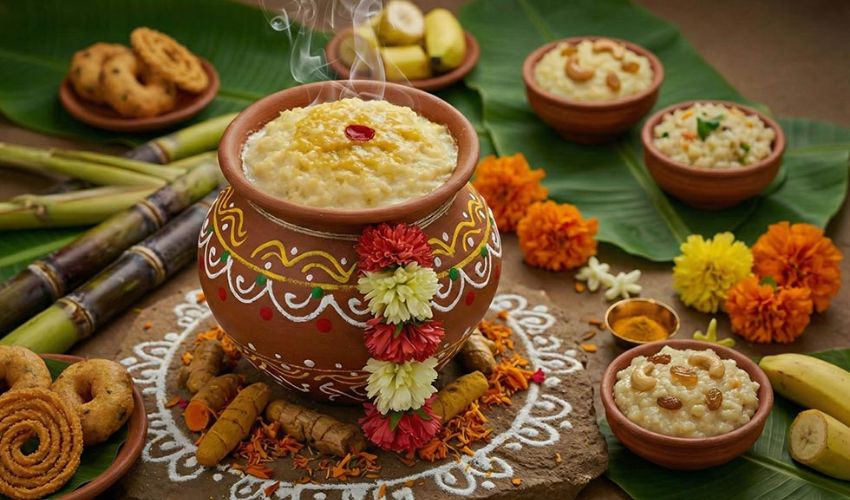
Throughout towns and villages, colorful decorative patterns known as kolams appear outside homes. Families clean and decorate their houses, wear traditional clothing, and prepare special festive meals. One of the most symbolic traditions involves cooking a sweet rice dish called Pongal in clay pots, allowing the rice to boil over as a sign of prosperity and abundance.
For travelers, the atmosphere during Pongal feels joyful and welcoming. Markets become more vibrant, cultural performances are organized, and local communities celebrate with remarkable enthusiasm. Visitors often find these interactions among the most memorable moments of their journey because they provide genuine cultural immersion rather than staged tourist experiences.
Luxury travelers can enjoy specially arranged cultural experiences that explain the significance of the festival while maintaining comfort and exclusivity. Many heritage hotels and luxury resorts also organize Pongal-themed events, allowing guests to experience local traditions in an elegant setting.
The festival adds an additional dimension to a January itinerary, turning a sightseeing holiday into a cultural journey that offers meaningful connections with local communities and traditions.
No South India itinerary would be complete without Kerala. Often referred to as God's Own Country, Kerala represents one of the most beautiful and relaxing destinations in Asia.
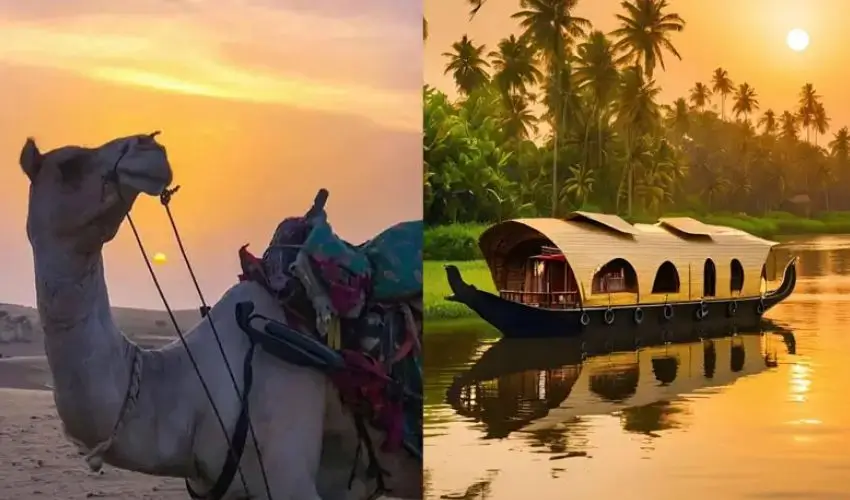
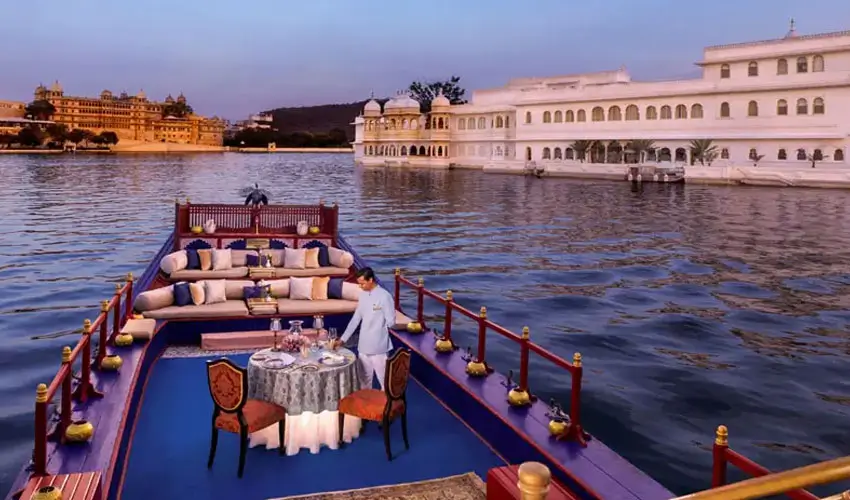
January is arguably the perfect month to experience Kerala. The famous backwaters are at their most scenic, lined with coconut palms, fishing villages, and lush vegetation. Luxury houseboats glide through tranquil waterways while guests enjoy freshly prepared cuisine and uninterrupted views of daily life along the canals.
What makes Kerala particularly appealing to luxury travelers is its ability to combine nature, culture, and wellness. Visitors can spend mornings exploring colonial neighborhoods in Kochi, afternoons cruising through the backwaters of Kumarakom or Alleppey, and evenings relaxing at a luxury resort overlooking the water.
Kerala is also internationally renowned for Ayurveda. Many affluent travelers specifically visit the region for wellness retreats that combine traditional therapies, yoga, meditation, nutrition, and relaxation. January's comfortable climate enhances these experiences significantly, making outdoor wellness activities especially enjoyable.
The diversity of Kerala is remarkable. Beyond the backwaters lie tea plantations in Munnar, wildlife reserves in Thekkady, pristine beaches in Kovalam, and charming fishing communities along the coast. Each destination offers a completely different atmosphere while maintaining the region's signature hospitality and natural beauty.
For travelers seeking a slower and more immersive journey, Kerala often becomes the highlight of South India. The pace is relaxed, the scenery is stunning, and the experiences feel authentic without sacrificing luxury or comfort.
If Kerala represents South India's natural beauty, Tamil Nadu showcases its cultural soul. For travelers interested in history, architecture, spirituality, and living traditions, Tamil Nadu offers one of the richest travel experiences anywhere in Asia. January is an especially rewarding time to visit because the weather is comfortable, the landscapes remain green after the monsoon, and Pongal celebrations bring communities to life across the state.
What surprises many foreign visitors is the sheer scale and grandeur of Tamil Nadu's temple architecture. Unlike the Mughal monuments of North India or the royal forts of Rajasthan, the temples of South India are living centers of worship that continue to play an important role in daily life. Massive gateways covered in colorful sculptures, ancient stone halls, sacred water tanks, and centuries-old rituals create an atmosphere unlike anything most international travelers have ever experienced.
Cities such as Madurai, Thanjavur, and Trichy are home to some of India's most extraordinary monuments. The Meenakshi Temple in Madurai is often considered one of the world's most impressive religious structures. Its towering gateways dominate the skyline, while the interior reveals a maze of courtyards, sculptures, shrines, and ceremonial spaces that have been active for centuries. Walking through these complexes with an expert guide provides insight not only into architecture but also into South India's cultural and spiritual traditions.
Beyond the famous temples, Tamil Nadu offers beautiful countryside, traditional villages, classical music, dance performances, and remarkable culinary experiences. Luxury travelers often appreciate the authenticity of the region. Unlike destinations that have been heavily commercialized, many parts of Tamil Nadu retain a strong sense of local identity. Visitors encounter genuine traditions, family-run businesses, artisan communities, and cultural practices that have remained largely unchanged for generations.
The combination of architectural brilliance, rich history, welcoming hospitality, and favorable January weather makes Tamil Nadu one of the most rewarding destinations within a South India itinerary.
Among South India's most charming destinations, Pondicherry occupies a unique place. Once a French colonial settlement, the city blends European elegance with Indian culture in a way that feels entirely different from the rest of the country. For luxury travelers seeking a relaxed coastal atmosphere, Pondicherry often becomes one of the most enjoyable stops on a South India journey.
January is arguably the ideal month to experience the city. The weather is warm but comfortable, making it pleasant to walk through the historic French Quarter. Tree-lined streets, pastel-colored colonial buildings, boutique cafes, art galleries, and stylish guesthouses create an atmosphere that feels almost Mediterranean while remaining unmistakably Indian.
One of the city's greatest attractions is its slower pace. After exploring busy cities and major tourist sites, travelers often appreciate the opportunity to spend several days enjoying leisurely breakfasts, seaside walks, boutique shopping, and cultural exploration. The waterfront promenade becomes particularly beautiful in the early morning and evening when residents and visitors gather to enjoy the sea breeze.
Pondicherry is also known for its culinary scene. French influences combine with South Indian ingredients to create a dining experience unlike anywhere else in India. Luxury travelers can enjoy everything from sophisticated fine dining restaurants to charming courtyard cafes serving freshly prepared local specialties.
The nearby spiritual community of Auroville adds another layer to the region's appeal. Visitors interested in sustainable living, wellness, meditation, and alternative lifestyles often find Auroville fascinating. Combined with Pondicherry's architecture, beaches, and relaxed atmosphere, it creates a destination that appeals to travelers looking for something beyond traditional sightseeing.
When many international travelers think about beaches in India, Goa is usually the first destination that comes to mind. While Goa certainly deserves its reputation, South India offers numerous coastal destinations that are equally beautiful and often considerably less crowded.
January is one of the finest months to enjoy South India's coastline. The monsoon season has ended, the seas are calmer, humidity levels are manageable, and sunshine is abundant. These conditions create ideal opportunities for relaxation, swimming, coastal exploration, and luxury resort stays.
Kerala's beaches provide a more tranquil atmosphere compared to many other coastal destinations. Kovalam remains one of the most famous, attracting visitors with its golden sand, swaying palm trees, and excellent hospitality. Luxury resorts along the coast offer spa treatments, wellness programs, yoga sessions, and oceanfront dining experiences that appeal strongly to affluent travelers.
Further north, destinations such as Bekal provide a more exclusive experience. The region is known for dramatic coastal scenery, luxury resorts, and relatively uncrowded beaches. Visitors can enjoy privacy and relaxation while still experiencing authentic local culture.
Tamil Nadu's coastline offers a different character. Near Pondicherry, travelers find peaceful beaches ideal for long walks and quiet reflection. The region's blend of French heritage and coastal beauty creates a unique atmosphere rarely found elsewhere in India.
For luxury travelers, South India's beaches are not simply places to sunbathe. They become part of a broader travel experience that combines wellness, cuisine, culture, and relaxation in a tropical setting.
One of the reasons affluent travelers increasingly choose South India is the exceptional quality of its luxury hospitality. The region offers some of India's finest resorts, wellness retreats, heritage hotels, and boutique properties. Rather than focusing solely on sightseeing, many visitors embrace a slower style of travel that allows them to fully appreciate each destination.
Luxury in South India often feels different from luxury elsewhere. Instead of grand palaces and royal heritage, the emphasis is frequently placed on nature, wellness, privacy, and personalized service. Guests may stay in elegant villas overlooking the backwaters, mountain retreats surrounded by tea plantations, or beachfront resorts where the ocean becomes part of the experience.
Ayurveda plays a major role in this style of travel. Wellness retreats offer personalized programs designed to promote physical and mental well-being. Treatments are often combined with yoga, meditation, healthy cuisine, and holistic therapies. January's favorable weather enhances these experiences, allowing guests to spend time outdoors while enjoying wellness-focused activities.
Many travelers discover that South India encourages them to slow down. Instead of rushing between attractions, they spend more time enjoying a destination's atmosphere. A morning boat ride through the backwaters, an afternoon spa treatment, a sunset by the ocean, and a leisurely dinner featuring local cuisine can feel far more rewarding than a packed sightseeing schedule.
This balance between exploration and relaxation is one of South India's greatest strengths and a key reason why so many luxury travelers return repeatedly.
Unlike shorter travel circuits such as the Golden Triangle, South India covers a vast and diverse geographical area. Distances between destinations can be significant, and many of the most rewarding experiences are found away from major transportation hubs. For this reason, a private chauffeur-driven vehicle remains the preferred choice for discerning travelers.
Traveling by private car provides a level of flexibility that is difficult to achieve through domestic flights or public transportation. Guests can stop at scenic viewpoints, visit rural communities, explore lesser-known attractions, and travel according to their own pace. The journey itself becomes part of the experience rather than simply a means of reaching the next destination.
South India's roads often pass through beautiful landscapes including tea plantations, spice gardens, coastal villages, forests, and agricultural regions. These views offer valuable insight into local life and create memorable moments between major destinations.
For luxury travelers, comfort is equally important. A private vehicle eliminates the stress associated with airports, train stations, and fixed schedules. Luggage remains secure, transfers are seamless, and the overall journey feels far more personalized.
Many experienced visitors consider a chauffeur-driven itinerary one of the best ways to discover South India because it combines convenience, flexibility, comfort, and access to experiences that would otherwise be difficult to reach.
While Rajasthan is famous for its deserts and North India is celebrated for its historical monuments, South India offers some of the most diverse wildlife experiences in the entire country. Many international travelers are surprised to discover that the region contains vast forests, mountain ecosystems, wildlife reserves, and biodiversity hotspots that rank among the richest natural environments in Asia.
January is one of the best months for wildlife exploration because the weather is pleasant, visibility is excellent, and animals are often easier to spot around water sources and open grasslands. The comfortable temperatures also make safari drives significantly more enjoyable compared to hotter periods of the year.
Among the region's most famous wildlife destinations is Periyar Wildlife Sanctuary in Kerala. Situated in the Western Ghats, this reserve is known for its scenic lake, elephant populations, birdlife, and lush forest landscapes. Unlike traditional jeep safaris found elsewhere in India, Periyar offers unique wildlife experiences that include guided nature walks, bamboo rafting, and boat cruises. These activities provide a more intimate connection with nature and allow visitors to appreciate the ecosystem beyond simply searching for large animals.
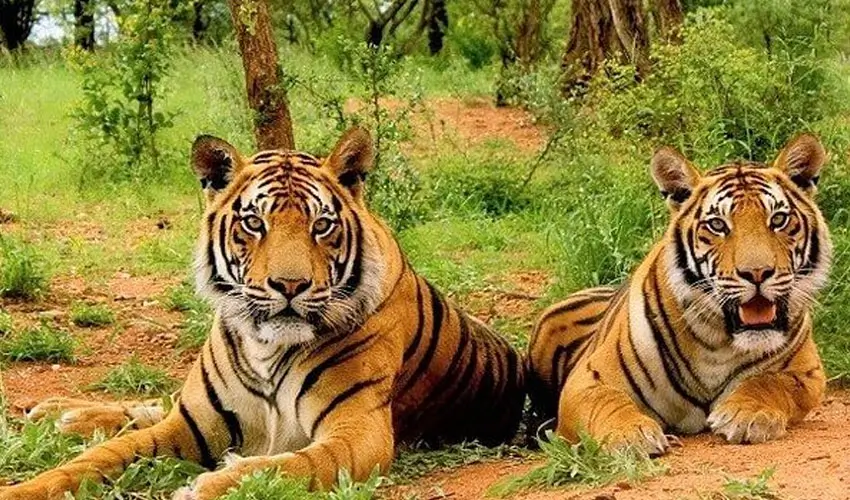
Further east, travelers can explore reserves in Karnataka and Tamil Nadu where tigers, leopards, elephants, deer species, and numerous birds inhabit protected forests. Luxury wildlife lodges increasingly attract international travelers seeking a quieter and more exclusive safari experience than India's more crowded national parks.
Birdwatchers find South India particularly rewarding. Wetlands, forests, coastal ecosystems, and mountain habitats support an incredible variety of resident and migratory species. Whether observing kingfishers along Kerala's backwaters, spotting raptors in the Western Ghats, or photographing waterbirds in Tamil Nadu's wetlands, nature enthusiasts often find themselves extending their journeys simply to spend more time in these environments.
What makes wildlife travel in South India unique is the diversity of experiences available within a relatively compact area. Travelers can move from mountain forests to coastal wetlands, from spice plantations to elephant habitats, creating a journey that constantly feels fresh and varied. For luxury travelers seeking meaningful encounters with nature, South India delivers exceptional opportunities while maintaining high standards of comfort and hospitality.
One of the greatest advantages of South India is its flexibility. Whether travelers have one week or three weeks available, it is possible to create a highly rewarding itinerary that balances culture, nature, relaxation, and luxury. January's excellent weather makes virtually every major destination accessible and enjoyable.
For first-time visitors, a classic ten-day itinerary often begins in Kochi. The city provides an excellent introduction to South India through its colonial history, vibrant cultural scene, and waterfront atmosphere. From there, travelers typically continue to Munnar, where rolling tea plantations and cool mountain air create a refreshing contrast to the coast.
The journey may then continue to Thekkady for wildlife experiences and spice plantation visits before reaching the backwaters of Kumarakom or Alleppey. Here, luxury houseboats and waterfront resorts provide some of the most relaxing experiences available anywhere in India. Many travelers conclude their journey at Kovalam or another coastal destination where they can enjoy beachside luxury before returning home.
Those with additional time often expand their itinerary to include Tamil Nadu. A route connecting Pondicherry, Thanjavur, Madurai, and Chennai reveals the region's extraordinary cultural and architectural heritage. Travelers gain access to ancient temples, artisan communities, colonial neighborhoods, and local traditions that remain largely unchanged by modern tourism.
Luxury travelers frequently combine multiple regions into a two-week or three-week journey. The result is an itinerary that showcases the extraordinary diversity of South India while maintaining a comfortable pace. Rather than rushing between destinations, guests can fully immerse themselves in each location, creating a richer and more meaningful travel experience.
Choosing where to visit can feel overwhelming because South India offers such a wide range of experiences. For first-time visitors, however, several destinations consistently stand out as exceptional introductions to the region.
Kerala remains the most popular choice because it combines many of South India's strengths in one destination. Visitors can experience tropical landscapes, backwaters, wildlife, wellness retreats, beaches, and luxury hospitality without traveling long distances. The state's relaxed atmosphere makes it particularly appealing for travelers who want to avoid the intensity often associated with larger Indian cities.
Pondicherry provides a completely different experience. Its French colonial heritage, charming architecture, coastal setting, and sophisticated dining scene create a destination that feels unique within India. Travelers seeking culture, relaxation, and elegance often find Pondicherry particularly appealing.
Madurai introduces visitors to the grandeur of South Indian temple culture. The city's famous Meenakshi Temple is one of India's most extraordinary architectural achievements and provides valuable insight into the region's spiritual traditions.
Munnar appeals strongly to nature lovers. The rolling tea plantations, cool climate, and mountain scenery create an atmosphere that many visitors find unexpectedly beautiful. Combined with luxury resorts and plantation experiences, it becomes one of South India's most memorable destinations.
The backwaters of Kerala are perhaps the region's most iconic attraction. Spending time on a luxury houseboat or lakeside resort allows travelers to experience a slower and more peaceful side of India. For many visitors, these waterways become the defining memory of their South India journey.
Traveling through South India in January is relatively straightforward, particularly for visitors who choose a well-planned private itinerary. However, a few practical considerations can significantly enhance the overall experience.
Packing should reflect the diversity of climates found across the region. Coastal destinations are warm and tropical, while hill stations such as Munnar can be surprisingly cool during the evenings and early mornings. Lightweight clothing is generally appropriate, but a light jacket is recommended for higher elevations.
January is considered a popular travel period, particularly among international visitors escaping winter conditions in Europe and North America. Luxury hotels, wellness retreats, and premium houseboats often experience high demand. Advance planning is therefore advisable, especially for travelers seeking specific properties or experiences.
Cultural sensitivity remains important when visiting temples and religious sites. Modest clothing is appreciated, and certain locations may require shoes to be removed before entry. These practices are generally easy to follow and provide opportunities for meaningful cultural engagement.
Travelers should also embrace the slower pace that defines much of South India. The region rewards those who take time to absorb its atmosphere rather than rushing from one attraction to another. Whether enjoying tea in a plantation bungalow, watching life unfold along the backwaters, or participating in a cultural celebration, some of the most memorable experiences occur when there is time simply to observe and appreciate the surroundings.
For travelers seeking a destination that combines culture, nature, wellness, luxury, and authenticity, South India in January is remarkably difficult to match. Few regions offer such extraordinary diversity within a single journey. Ancient temples, colonial cities, wildlife reserves, tea plantations, tropical beaches, backwaters, and wellness retreats coexist within a landscape that feels endlessly varied.
The pleasant weather creates ideal conditions for exploration, while festivals such as Pongal provide opportunities for cultural immersion rarely available at other times of year. Luxury travelers benefit from world-class hospitality, personalized experiences, and accommodations that range from heritage properties and boutique hotels to exclusive resorts and private houseboats.
Perhaps the greatest appeal of South India lies in its balance. It offers iconic attractions without overwhelming crowds, cultural depth without excessive commercialization, and luxury without losing authenticity. Travelers can enjoy exceptional comfort while still engaging meaningfully with local communities, traditions, and landscapes.
For many international visitors, a January journey through South India becomes more than a vacation. It becomes a deeper exploration of one of the world's most fascinating regions, leaving memories that remain long after the journey has ended.
Enquire now and connect with a dedicated Travel Expert who will respond within 24 hours to begin crafting your private journey.

Dev
Travel Expert
12+ yrs experience

Have a look at our original experiences and then contact us with your questions, or call +91-9351360903

Our Experts will send you a detailed holiday itinerary specified to your desires. It's our service promise to you.

Tailor-made doesn't mean expensive! Ask about our price promise and book with financial security.
Yes, January is widely considered one of the best months because of pleasant weather, clear skies, and cultural festivals such as Pongal.
Kerala is often recommended because it combines backwaters, beaches, wildlife, wellness, and luxury experiences in one destination.
Absolutely. Pongal offers an authentic insight into South Indian culture, traditions, and local community celebrations.
Most travelers benefit from at least 10 to 14 days, while 2 to 3 weeks allows for a more comprehensive exploration.
Yes. Kerala and Tamil Nadu offer several luxury beach resorts with excellent hospitality and wellness facilities.
Yes. Comfortable weather, excellent hotels, private transportation, and relaxed sightseeing make it highly suitable for senior visitors.
A private chauffeur-driven vehicle offers the greatest flexibility, comfort, and access to off-the-beaten-path experiences.
Yes. Many luxury travelers combine Delhi, Agra, and Jaipur with Kerala and Tamil Nadu for a broader India experience.
Yes. Kerala is internationally recognized as one of the world's leading destinations for Ayurveda and wellness retreats.
South India offers tropical landscapes, distinct cuisine, Dravidian temple architecture, backwaters, tea plantations, and a generally slower pace of travel compared to North India.