Royal Palace Stays in India
17 Sep 2025
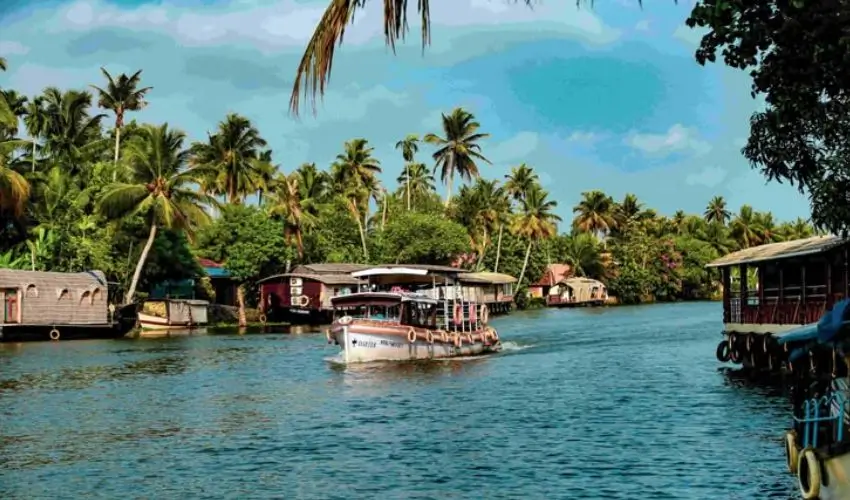
Every international traveler planning a vacation to India eventually reaches the same crossroads. Should the journey begin with the royal forts, magnificent palaces, colorful cities, and dramatic desert landscapes of Rajasthan, or should it start among Kerala's peaceful backwaters, tropical beaches, lush tea plantations, spice gardens, and relaxed coastal lifestyle?
The decision is not as simple as comparing two destinations on a map. Rajasthan and Kerala represent two completely different sides of India. They differ in geography, climate, architecture, cuisine, traditions, wildlife, pace of travel, and even the overall atmosphere visitors experience from the moment they arrive. Choosing one over the other does not mean selecting the better destination. Instead, it means selecting the destination that best matches your interests, expectations, and preferred style of travel.
Many first-time visitors imagine India as a single travel experience. In reality, Rajasthan and Kerala almost feel like two different countries connected by a shared national identity. Rajasthan introduces travelers to royal history, ancient forts, magnificent palaces, camel caravans, colorful bazaars, traditional textiles, and centuries-old desert kingdoms. Kerala, on the other hand, offers coconut-lined waterways, tropical forests, Ayurvedic wellness traditions, tea-covered hills, wildlife reserves, and a slower rhythm that encourages relaxation rather than constant sightseeing.
Time available for travel also influences the decision. Visitors spending one or two weeks in India often wonder whether they should include both destinations or focus on only one. While combining Rajasthan and Kerala certainly creates an unforgettable itinerary, rushing through both regions may leave travelers wishing they had spent more time appreciating each destination properly. A carefully paced itinerary usually provides a richer experience than attempting to see everything within limited time.
Luxury travelers face additional considerations. Both Rajasthan and Kerala offer outstanding hospitality, but the style of luxury differs considerably. Rajasthan is famous for heritage palaces transformed into world-class hotels where guests sleep in former royal residences. Kerala's luxury revolves around tranquil backwater resorts, boutique beachfront properties, wellness retreats, and nature-focused accommodations surrounded by tropical scenery.
Photography enthusiasts, wildlife lovers, honeymoon couples, families with children, senior travelers, and repeat visitors often reach different conclusions after comparing these two remarkable regions. The right choice depends entirely upon personal travel priorities rather than popular opinion.
This comparison examines Rajasthan luxury tours, Kerala luxury holidays, culture, weather, food, wildlife, accommodation, transportation, sightseeing, costs, and overall travel style so that international visitors can confidently decide which destination deserves their first journey through India.
Landscape, Climate and the Overall Atmosphere
The first impression travelers receive after arriving in Rajasthan or Kerala is dramatically different. Before visiting either destination, many international tourists expect both regions to reflect a similar image of India. Within a few hours of arrival, those expectations quickly disappear as the surroundings reveal two entirely different worlds.
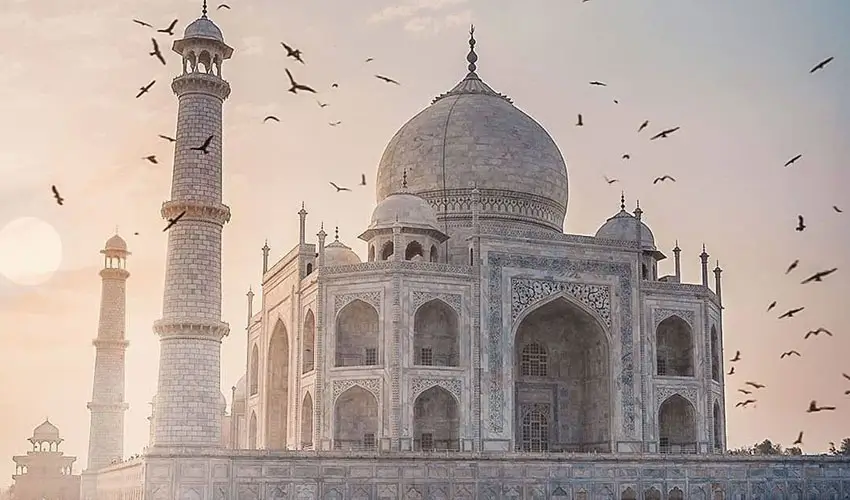
Rajasthan welcomes visitors with wide open landscapes, golden sandstone architecture, historic forts rising above rocky hills, elegant palaces overlooking lakes, traditional villages, and vibrant cities filled with colorful markets. The scenery often appears dramatic and majestic. Historic buildings dominate skylines, while centuries-old city walls remind visitors that this region once consisted of powerful kingdoms ruled by Rajput dynasties.
Driving between Rajasthan's cities introduces constantly changing landscapes. One morning may begin among the pink buildings of Jaipur before continuing through rural villages, farmland, marble workshops, desert plains, and eventually reaching the blue houses of Jodhpur or the romantic lakes surrounding Udaipur. Long-distance travel itself becomes an important part of the experience because every route reveals changing architecture, traditional clothing, livestock caravans, and historic monuments standing proudly across the countryside.
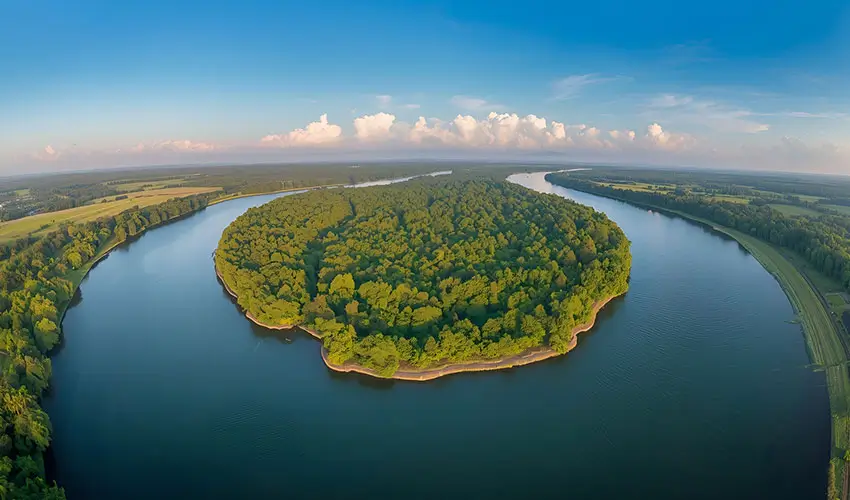
Kerala creates an entirely different emotional response. Instead of dramatic desert scenery, visitors encounter tropical greenery almost everywhere they look. Coconut palms line village roads, rivers gently flow through backwaters, tea plantations blanket mountain slopes, waterfalls appear unexpectedly around forested hills, and peaceful beaches stretch along the Arabian Sea. The environment feels calm, refreshing, and naturally relaxing.
Travel between Kerala's destinations also differs considerably. Instead of driving across arid landscapes and historic forts, travelers move through rainforests, spice plantations, rubber estates, banana fields, fishing villages, and winding mountain roads leading toward cool hill stations such as Munnar. Water remains a constant feature throughout much of Kerala, creating an atmosphere completely unlike Rajasthan's desert heritage.
Climate naturally shapes these experiences. Rajasthan generally experiences dry weather with significant sunshine during the main tourism season. Visitors often enjoy clear skies ideal for photography, particularly while exploring forts, palaces, wildlife reserves, and desert landscapes. Evenings during cooler months can become pleasantly refreshing, especially in desert regions.
Kerala's tropical climate produces higher humidity and greener surroundings throughout much of the year. Rainfall plays an important role in maintaining its lush landscapes, rivers, forests, and tea plantations. Travelers seeking fresh mountain air frequently appreciate destinations like Munnar or Wayanad, where cooler temperatures provide welcome relief from coastal humidity.
The overall atmosphere also differs in pace. Rajasthan encourages active exploration. Days often include palace visits, fort walks, museum tours, local markets, heritage hotels, cultural performances, and scenic drives between historic cities. Visitors typically spend much of the day discovering new architectural landmarks and historical sites.
Kerala follows a gentler rhythm. Time passes more slowly while cruising the backwaters, enjoying Ayurvedic wellness treatments, watching fishermen return at sunset, relaxing beside infinity pools, exploring spice plantations, or sipping freshly brewed tea overlooking mountain valleys. Activities remain enjoyable but generally involve less intensive sightseeing than Rajasthan.
Neither atmosphere is objectively better. Travelers interested in royal history, architecture, photography, and vibrant city life often feel naturally drawn toward Rajasthan. Those seeking tropical landscapes, wellness, nature, and relaxation frequently find Kerala more closely aligned with their travel expectations.
Accommodation is one of the biggest differences between Rajasthan luxury tours and Kerala luxury holidays. Both destinations offer exceptional hospitality, but the experience guests receive is completely different from the moment they check in.
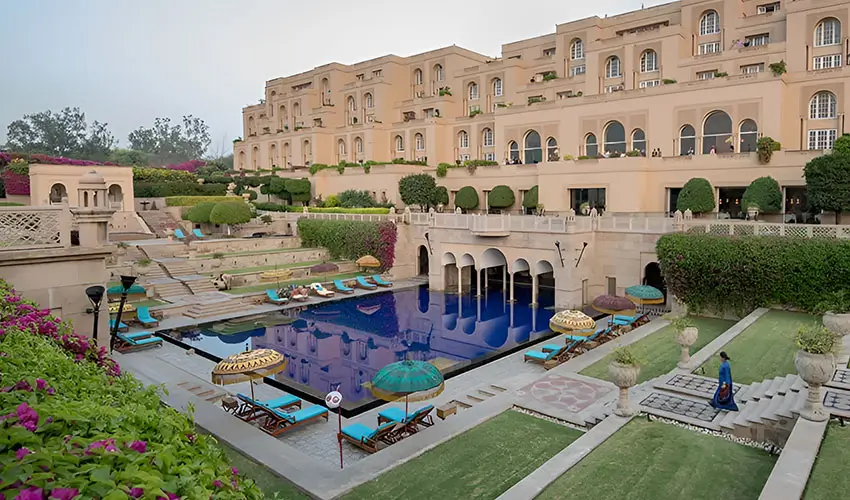
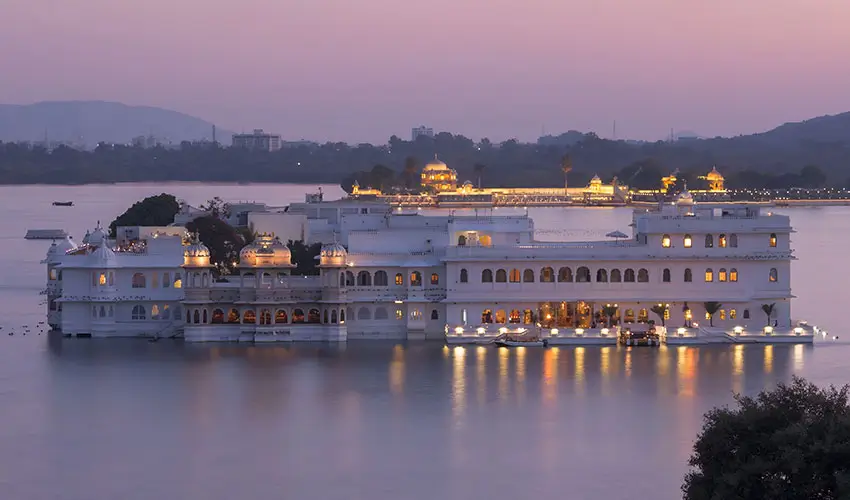
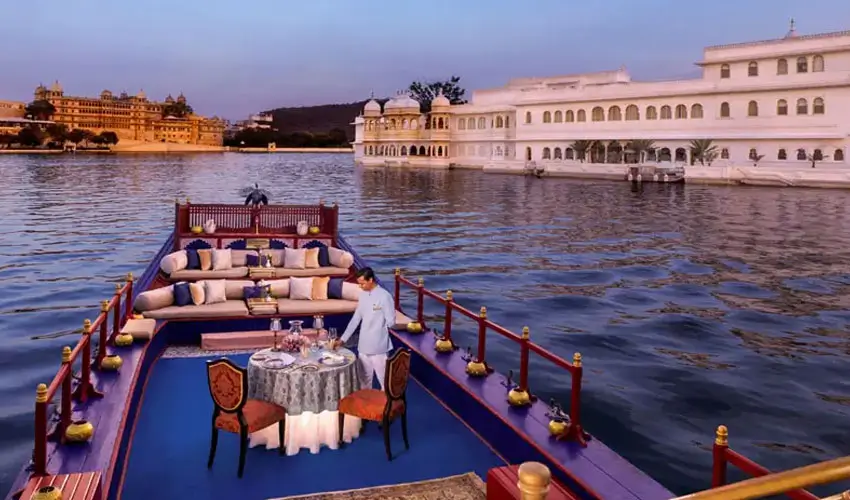
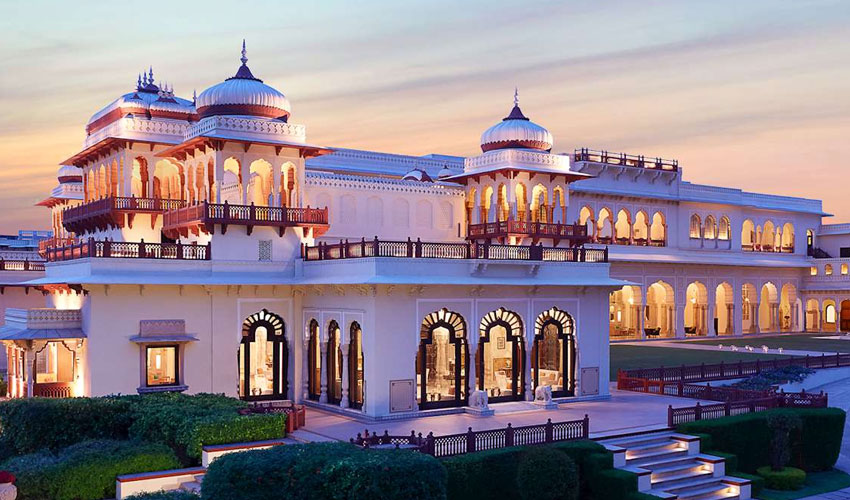
Rajasthan is internationally known for its magnificent heritage hotels. Former royal palaces, historic forts, hunting lodges, and aristocratic mansions have been carefully restored into some of India's most prestigious luxury properties. Instead of simply staying in a hotel, guests spend the night inside buildings that once hosted kings, queens, royal families, and distinguished visitors. Marble courtyards, hand-painted ceilings, antique furniture, grand staircases, candlelit dining areas, and traditional music performances create an atmosphere that feels deeply connected to history.
Cities such as Jaipur, Udaipur, Jodhpur, and Bikaner are home to internationally recognized palace hotels where modern luxury blends seamlessly with centuries-old architecture. Afternoon tea overlooking a palace courtyard, dinner beside a historic lake, or breakfast within a royal garden becomes part of the overall travel experience rather than simply another hotel stay.
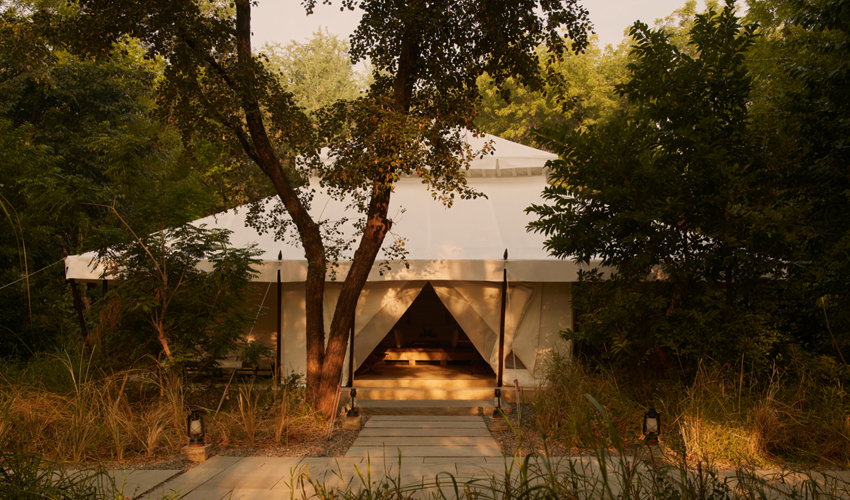
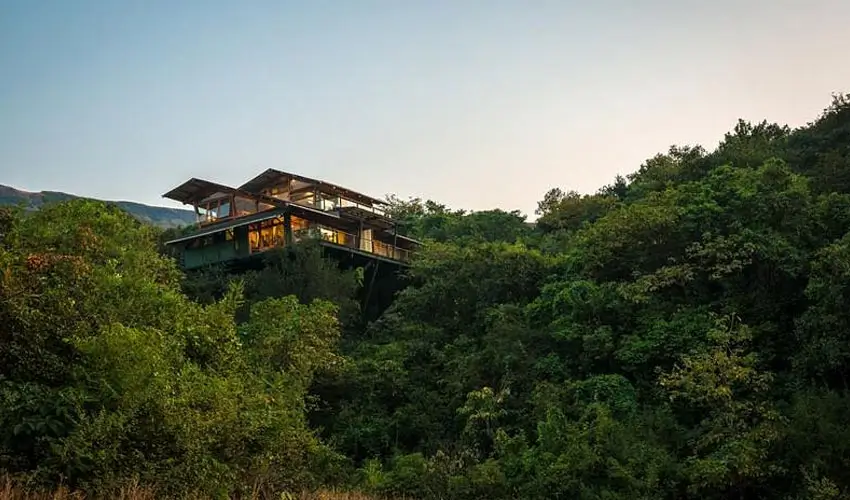
Kerala offers a different interpretation of luxury. Instead of royal architecture, visitors find elegant backwater resorts, boutique beachfront properties, wellness retreats, plantation bungalows, and eco-luxury resorts surrounded by tropical forests. Rooms often feature large balconies overlooking lakes, rivers, coconut groves, tea plantations, or the Arabian Sea.
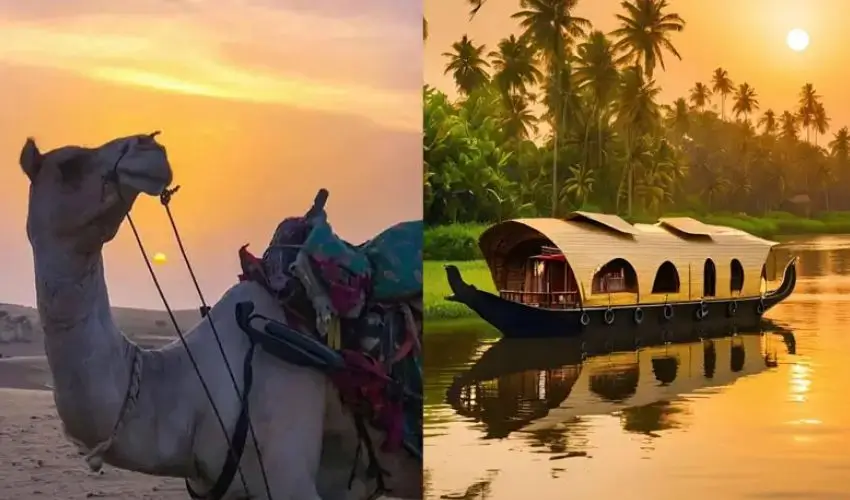
Many travelers visiting Kerala choose private houseboat cruises through the famous backwaters. Spending a night aboard a luxury houseboat offers a peaceful experience unlike any traditional hotel. Guests enjoy freshly prepared regional cuisine while slowly cruising through quiet canals lined with fishing villages, rice fields, and coconut plantations.
Wellness is another important part of Kerala's hospitality. Several luxury resorts include Ayurvedic treatments, yoga sessions, meditation programs, spa therapies, and personalized wellness experiences within peaceful natural surroundings.
Both destinations deliver world-class service, but the atmosphere differs greatly. Rajasthan celebrates royal heritage and cultural grandeur, while Kerala emphasizes comfort, privacy, nature, and relaxation.
Travelers often compare Rajasthan and Kerala based on architecture or scenery, but daily experiences vary just as much.
Rajasthan is famous for its living history. Walking through medieval forts, visiting magnificent palaces, watching traditional puppet performances, shopping in colorful bazaars, exploring centuries-old stepwells, attending folk music performances, and meeting skilled artisans all create an itinerary filled with cultural richness.
Cities such as Jaipur, Jodhpur, Jaisalmer, and Udaipur preserve traditions that continue today through handicrafts, jewelry making, block printing, miniature painting, leatherwork, marble carving, and textile production. Visitors interested in photography often find endless opportunities within local markets where vibrant colors, traditional clothing, decorated camels, and historic streets combine beautifully.
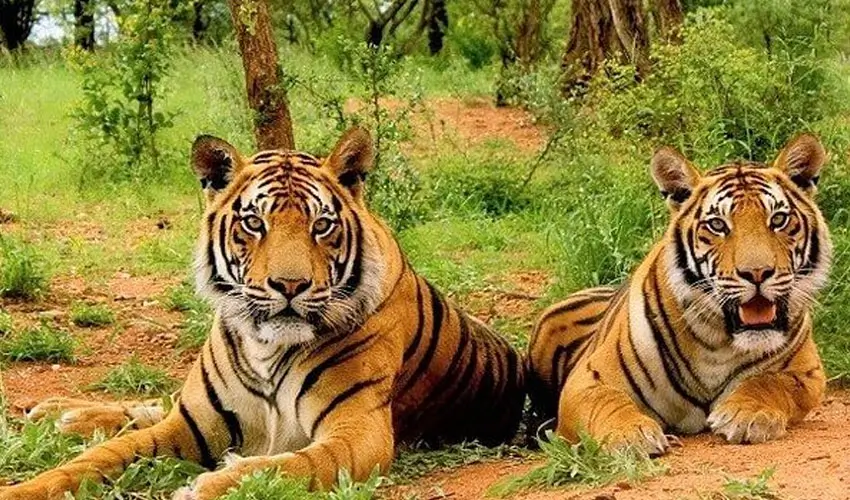
Wildlife also forms an important part of Rajasthan travel. Ranthambore National Park remains one of India's best-known destinations for photographing the Royal Bengal Tiger. Safari drives also offer opportunities to observe leopards, sloth bears, crocodiles, spotted deer, sambar deer, nilgai, hyenas, and hundreds of bird species.
Kerala presents a completely different relationship with nature. Wildlife reserves such as Periyar National Park focus on elephants, gaur, sambar deer, birds, and occasionally elusive big cats hidden within dense forests. Rather than open safari landscapes, visitors experience tropical ecosystems filled with lakes, bamboo forests, and evergreen vegetation.
Kerala's coastline introduces another dimension unavailable in Rajasthan. Beaches such as Kovalam, Marari, Bekal, and Varkala attract travelers seeking peaceful mornings, fresh seafood, sunset walks, and luxury seaside resorts. Water activities including kayaking, canoeing, village boat rides, and backwater cruises become memorable highlights for many visitors.
Cuisine also reflects regional differences. Rajasthan's food developed within a dry climate where ingredients could be preserved for long periods. Rich curries, breads, lentils, and royal recipes remain popular throughout the state.
Kerala's cuisine relies heavily on coconut, seafood, spices, curry leaves, tropical fruits, and freshly harvested vegetables. Coastal influences create lighter dishes that many international travelers find refreshing, particularly during warmer weather.
These regional differences allow visitors to experience two completely distinct interpretations of Indian culture within the same country.
Accommodation is one of the biggest differences between Rajasthan luxury tours and Kerala luxury holidays. Both destinations offer exceptional hospitality, but the experience guests receive is completely different from the moment they check in.
Rajasthan is internationally known for its magnificent heritage hotels. Former royal palaces, historic forts, hunting lodges, and aristocratic mansions have been carefully restored into some of India's most prestigious luxury properties. Instead of simply staying in a hotel, guests spend the night inside buildings that once hosted kings, queens, royal families, and distinguished visitors. Marble courtyards, hand-painted ceilings, antique furniture, grand staircases, candlelit dining areas, and traditional music performances create an atmosphere that feels deeply connected to history.
Cities such as Jaipur, Udaipur, Jodhpur, and Bikaner are home to internationally recognized palace hotels where modern luxury blends seamlessly with centuries-old architecture. Afternoon tea overlooking a palace courtyard, dinner beside a historic lake, or breakfast within a royal garden becomes part of the overall travel experience rather than simply another hotel stay.
Kerala offers a different interpretation of luxury. Instead of royal architecture, visitors find elegant backwater resorts, boutique beachfront properties, wellness retreats, plantation bungalows, and eco-luxury resorts surrounded by tropical forests. Rooms often feature large balconies overlooking lakes, rivers, coconut groves, tea plantations, or the Arabian Sea.
Many travelers visiting Kerala choose private houseboat cruises through the famous backwaters. Spending a night aboard a luxury houseboat offers a peaceful experience unlike any traditional hotel. Guests enjoy freshly prepared regional cuisine while slowly cruising through quiet canals lined with fishing villages, rice fields, and coconut plantations.
Wellness is another important part of Kerala's hospitality. Several luxury resorts include Ayurvedic treatments, yoga sessions, meditation programs, spa therapies, and personalized wellness experiences within peaceful natural surroundings.
Both destinations deliver world-class service, but the atmosphere differs greatly. Rajasthan celebrates royal heritage and cultural grandeur, while Kerala emphasizes comfort, privacy, nature, and relaxation.
Travelers often compare Rajasthan and Kerala based on architecture or scenery, but daily experiences vary just as much.
Rajasthan is famous for its living history. Walking through medieval forts, visiting magnificent palaces, watching traditional puppet performances, shopping in colorful bazaars, exploring centuries-old stepwells, attending folk music performances, and meeting skilled artisans all create an itinerary filled with cultural richness.
Cities such as Jaipur, Jodhpur, Jaisalmer, and Udaipur preserve traditions that continue today through handicrafts, jewelry making, block printing, miniature painting, leatherwork, marble carving, and textile production. Visitors interested in photography often find endless opportunities within local markets where vibrant colors, traditional clothing, decorated camels, and historic streets combine beautifully.
Wildlife also forms an important part of Rajasthan travel. Ranthambore National Park remains one of India's best-known destinations for photographing the Royal Bengal Tiger. Safari drives also offer opportunities to observe leopards, sloth bears, crocodiles, spotted deer, sambar deer, nilgai, hyenas, and hundreds of bird species.
Kerala presents a completely different relationship with nature. Wildlife reserves such as Periyar National Park focus on elephants, gaur, sambar deer, birds, and occasionally elusive big cats hidden within dense forests. Rather than open safari landscapes, visitors experience tropical ecosystems filled with lakes, bamboo forests, and evergreen vegetation.
Kerala's coastline introduces another dimension unavailable in Rajasthan. Beaches such as Kovalam, Marari, Bekal, and Varkala attract travelers seeking peaceful mornings, fresh seafood, sunset walks, and luxury seaside resorts. Water activities including kayaking, canoeing, village boat rides, and backwater cruises become memorable highlights for many visitors.
Cuisine also reflects regional differences. Rajasthan's food developed within a dry climate where ingredients could be preserved for long periods. Rich curries, breads, lentils, and royal recipes remain popular throughout the state.
Kerala's cuisine relies heavily on coconut, seafood, spices, curry leaves, tropical fruits, and freshly harvested vegetables. Coastal influences create lighter dishes that many international travelers find refreshing, particularly during warmer weather.
These regional differences allow visitors to experience two completely distinct interpretations of Indian culture within the same country.
Every traveler arrives in India with different expectations, making personal interests more important than comparing rankings or popularity.
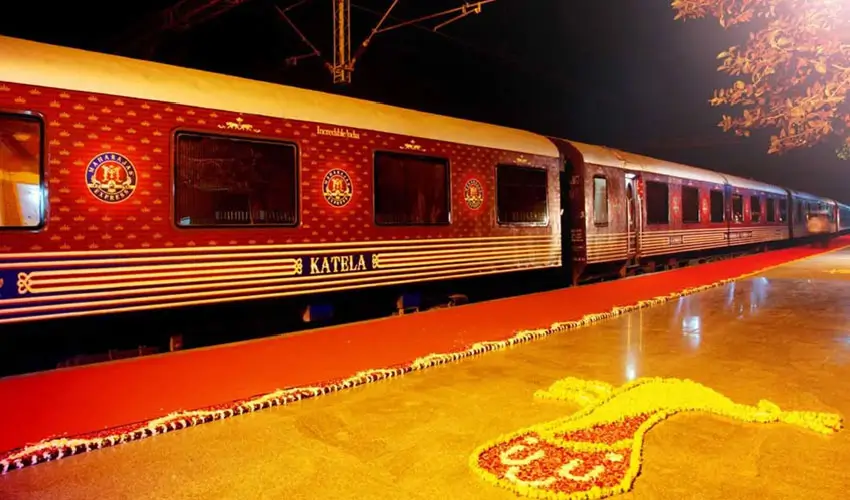
Couples celebrating a honeymoon often enjoy both destinations but for different reasons. Rajasthan offers romantic palace hotels, candlelit dinners beside historic lakes, rooftop terraces overlooking illuminated forts, and luxury train journeys filled with royal elegance. Kerala creates intimacy through secluded beach resorts, private houseboats, spa experiences, rainforest retreats, and peaceful backwaters where relaxation becomes the main focus.
Families traveling with children frequently appreciate Rajasthan because forts, palaces, camel rides, wildlife safaris, puppet shows, and colorful markets naturally capture younger travelers' attention. Educational experiences also become enjoyable because history is presented through impressive architecture rather than museums alone.
Kerala appeals strongly to families seeking a slower vacation with boating, nature walks, elephant experiences, tea plantations, beaches, and relaxed resort stays where children have space to enjoy outdoor activities.
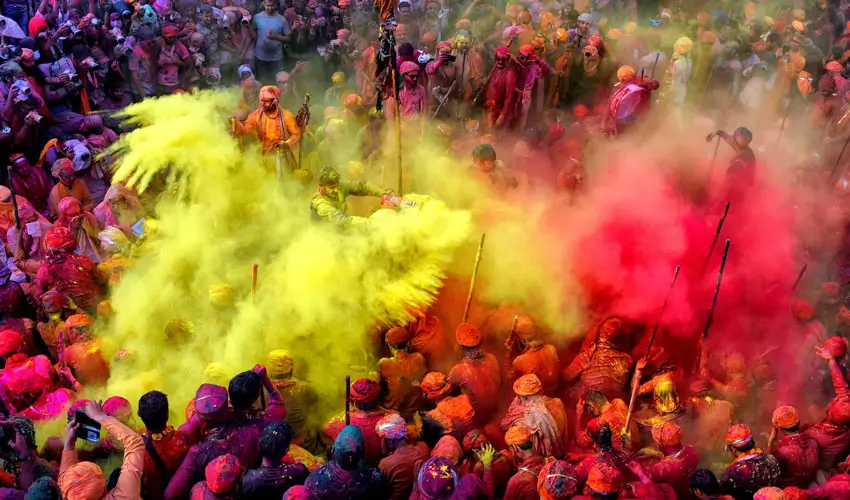
Photography enthusiasts often find Rajasthan exceptionally rewarding because of its dramatic architecture, vibrant festivals, desert scenery, royal interiors, and colorful street life. Every city presents new opportunities for landscape, architectural, portrait, and cultural photography.
Kerala rewards photographers interested in nature, reflections, wildlife, waterfalls, mist-covered mountains, tropical forests, fishing villages, and peaceful sunrise landscapes.
Senior travelers frequently appreciate Kerala's slower pace, shorter sightseeing days, and wellness-focused accommodations. Rajasthan also works exceptionally well for seniors when traveling with a private chauffeur because distances become comfortable while avoiding rushed schedules.
Visitors interested primarily in Indian history, royal architecture, UNESCO World Heritage Sites, and traditional craftsmanship generally find Rajasthan more closely aligned with their expectations.
Those seeking nature, wellness, tropical scenery, coastal landscapes, and quieter surroundings often feel more connected to Kerala.
For many international visitors, choosing between Rajasthan and Kerala feels difficult because both represent extraordinary travel experiences in completely different ways.
Rajasthan introduces travelers to India's royal past through magnificent forts, elegant palaces, desert landscapes, colorful cities, traditional markets, wildlife safaris, and heritage hotels that preserve centuries of history. Days are active, visually spectacular, and filled with architectural landmarks that define India's global image.
Kerala presents a gentler side of the country where tropical forests, tea plantations, peaceful backwaters, beaches, spice gardens, wildlife reserves, and wellness traditions create a journey centered around nature and relaxation. The pace feels slower, encouraging visitors to appreciate landscapes rather than moving constantly between historical monuments.
Travelers with two to three weeks available often combine both regions into one carefully designed itinerary. Beginning with the cultural richness of Rajasthan before continuing to Kerala's peaceful coastal landscapes creates an excellent balance between sightseeing and relaxation.
Those with limited vacation time generally enjoy a richer experience by focusing on one region rather than rushing through both. Spending several days in fewer destinations allows meaningful interaction with local culture, comfortable travel days, and time to appreciate each location fully.
Whichever destination becomes your first introduction to India, it rarely becomes the last. Many visitors who begin in Rajasthan later return specifically for Kerala, while those who first experience Kerala often schedule another journey dedicated entirely to Rajasthan's royal heritage. Together they represent two remarkable expressions of India's diversity, each offering memories that remain long after the journey ends.
Enquire now and connect with a dedicated Travel Expert who will respond within 24 hours to begin crafting your private journey.

Dev
Travel Expert
12+ yrs experience

Have a look at our original experiences and then contact us with your questions, or call +91-9351360903

Our Experts will send you a detailed holiday itinerary specified to your desires. It's our service promise to you.

Tailor-made doesn't mean expensive! Ask about our price promise and book with financial security.
Both destinations are excellent. Rajasthan is ideal for travelers interested in forts, palaces, history, and cultural heritage, while Kerala suits visitors seeking nature, beaches, wellness, and relaxation.
Rajasthan is famous for heritage palace hotels, while Kerala specializes in luxury resorts, wellness retreats, plantation stays, and backwater houseboats.
Both are excellent choices. Rajasthan offers royal romance, while Kerala provides peaceful beaches, private houseboats, and tropical luxury.
Rajasthan generally has a drier climate, while Kerala experiences higher humidity because of its tropical environment.
Rajasthan is well known for tiger safaris in Ranthambore National Park, while Kerala offers elephant sightings, birdlife, and rainforest wildlife in reserves such as Periyar National Park.
Rajasthan is outstanding for architecture, colorful markets, forts, and palaces. Kerala is ideal for landscapes, backwaters, forests, beaches, and tea plantations.
Yes. Travelers with approximately two to three weeks can comfortably combine Rajasthan and Kerala into one luxury itinerary.
Both work well. Rajasthan offers forts, wildlife, and cultural experiences, while Kerala provides beaches, nature, boating, and relaxed resorts.
Kerala has some of India's finest beaches, including Kovalam, Marari, Bekal, and Varkala. Rajasthan does not have a coastline.
Rajasthan generally involves more historical sightseeing and city exploration, while Kerala follows a slower pace focused on nature, wellness, and relaxation.