Royal Palace Stays in India
17 Sep 2025
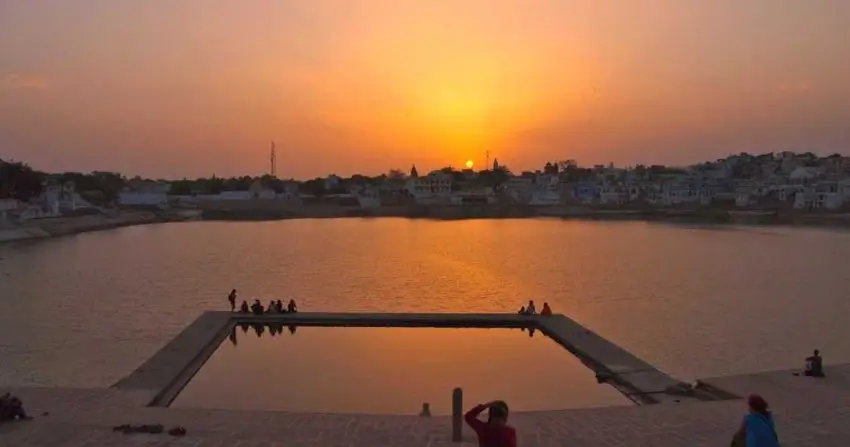
For many international travelers, a journey through India is remembered not only through experiences but also through photographs that preserve extraordinary moments for years to come. The glowing white marble of the Taj Mahal at sunrise, the towering walls of Mehrangarh Fort, the colorful courtyards of Jaipur's City Palace, the intricate carvings of Khajuraho, the peaceful backwaters of Kerala, and the magnificent temples of South India all inspire photographers from around the world. Whether carrying a professional mirrorless camera, a DSLR, a compact travel camera, or simply a smartphone, nearly every visitor hopes to capture India's remarkable diversity through photographs.
However, many first-time visitors are surprised to learn that photography rules in India are not identical at every monument. Each archaeological site, palace, museum, religious complex, wildlife reserve, and heritage building follows its own regulations regarding cameras, tripods, drones, commercial filming, flash photography, and professional equipment. Understanding these rules before beginning your journey helps avoid unnecessary disappointment while ensuring a smooth and enjoyable sightseeing experience.
Fortunately, photography is allowed at most of India's famous tourist attractions. Visitors are generally welcome to photograph exterior architecture, landscaped gardens, courtyards, scenic viewpoints, and public areas. Problems usually arise only when travelers unknowingly carry restricted equipment, attempt drone photography, use flash inside protected interiors, or photograph areas where preservation concerns require additional protection.
Professional photographers and content creators should pay particular attention to monument regulations because commercial filming often requires prior approval from government authorities or monument management. Even equipment such as large tripods, stabilizers, lighting systems, microphones, and professional video rigs may require separate permissions depending on the location.
Another important consideration involves India's cultural diversity. Photography is not simply governed by monument regulations but also by local customs and religious etiquette. Some temples encourage photography in designated outdoor areas while prohibiting cameras inside sanctums. Certain museums completely prohibit photography to protect sensitive collections. Wildlife parks restrict flash photography to avoid disturbing animals. Historical forts may allow photography almost everywhere except inside museums displaying valuable artifacts.
Visitors traveling on private India tours benefit from experienced guides who remain familiar with current monument policies. Before entering an attraction, guides typically explain where photography is allowed, whether separate camera tickets apply, and which areas require additional caution. This practical guidance allows travelers to focus on enjoying the experience instead of worrying about unintentionally violating local regulations.
Whether your itinerary includes the Golden Triangle, Rajasthan, Varanasi, Khajuraho, Hampi, South India, Kerala, or India's famous wildlife destinations, understanding photography rules at Indian monuments ensures you return home with unforgettable images while respecting the country's priceless cultural heritage.
Many visitors assume that if photography is permitted at one famous monument, identical rules will apply everywhere else. In reality, India's historical attractions are managed by different organizations, each responsible for protecting monuments according to their own conservation priorities. This explains why photography policies vary significantly even between attractions located in the same city.
A large number of India's most famous historical monuments—including the Taj Mahal, Agra Fort, Humayun's Tomb, Qutub Minar, Sanchi Stupa, Konark Sun Temple, and numerous medieval forts—are protected by the Archaeological Survey of India (ASI). These monuments generally welcome photography in outdoor public areas because visitors naturally wish to document their journey. However, certain restrictions exist to protect fragile structures, historical artwork, ancient paintings, delicate carvings, and archaeological remains from accidental damage.
Museums located inside historical complexes often follow stricter regulations than the monuments themselves. Visitors may freely photograph exterior courtyards and surrounding architecture but find photography prohibited inside museum galleries displaying rare manuscripts, sculptures, weapons, jewelry, paintings, or archaeological collections. Flash photography can gradually damage delicate pigments, textiles, and historical materials, making these restrictions essential rather than inconvenient.
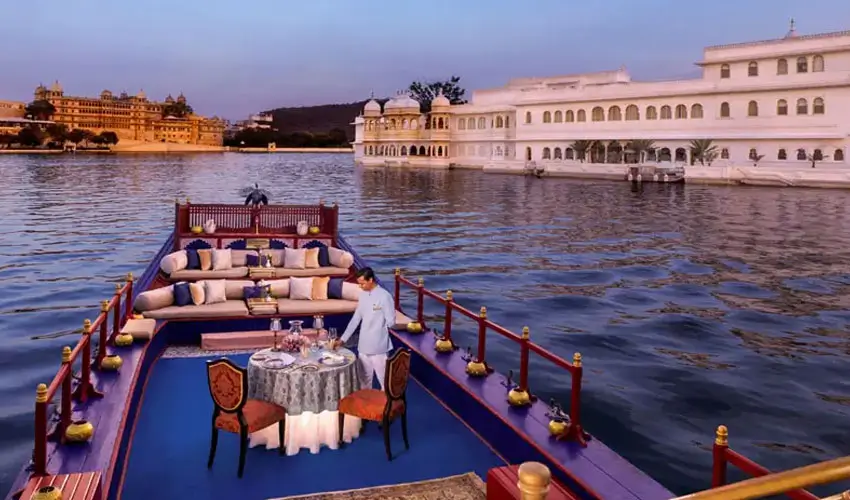
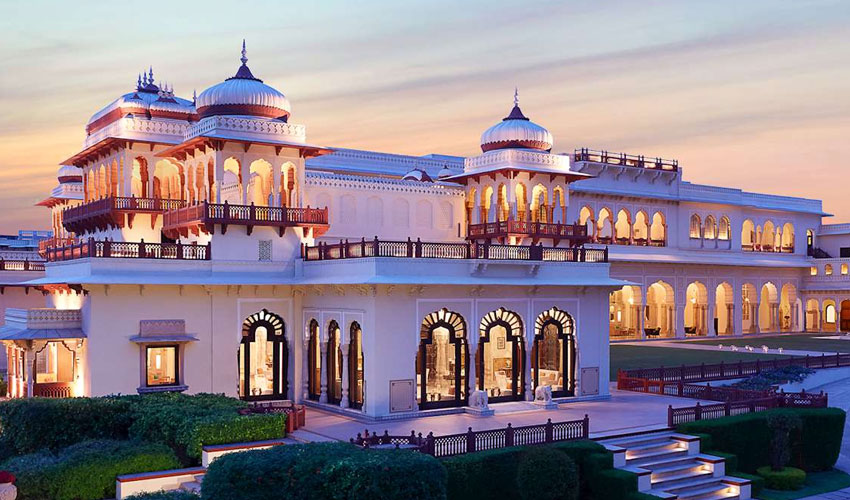
Royal palaces introduce another variation. Some palace museums remain privately managed by former royal families instead of government authorities. As a result, separate photography fees may apply for cameras, while professional video equipment sometimes requires additional permission. These fees contribute toward maintaining historic buildings that continue to require extensive preservation.
Religious monuments represent another important category. India welcomes visitors to many temples, mosques, monasteries, churches, and gurudwaras, but photography policies depend largely upon religious customs rather than tourism considerations. Certain temple courtyards allow unrestricted photography, while cameras may be prohibited inside prayer halls or sacred sanctums where worship remains the primary focus. Similar etiquette applies at many mosques and monasteries, where visitors should always respect instructions provided by temple authorities or local guides.
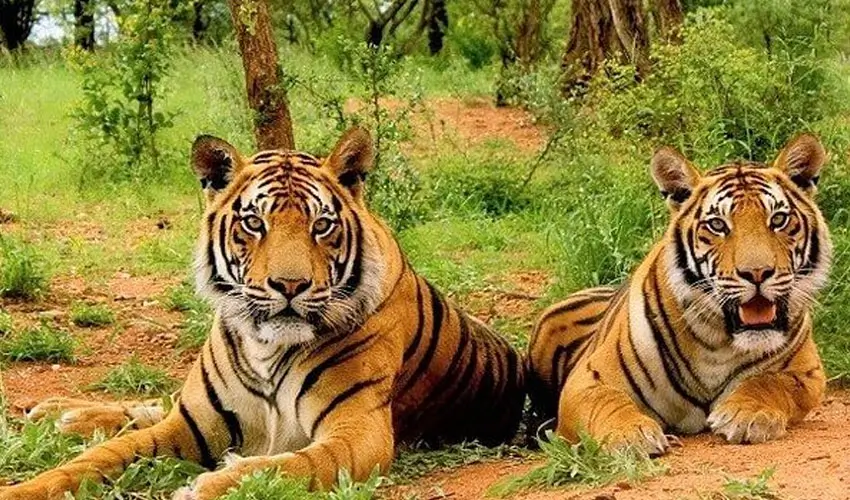
Natural heritage sites such as national parks, tiger reserves, bird sanctuaries, and wildlife reserves introduce additional considerations. Wildlife photography is encouraged, but flash photography is discouraged because sudden bursts of light may disturb animals. Drone usage is normally prohibited within protected wildlife habitats to avoid disturbing birds and endangered species.
Even restoration work occasionally influences photography access. Sections of monuments undergoing conservation may temporarily close to visitors, affecting camera angles or restricting access to certain areas until preservation work has been completed.
Rather than viewing these regulations as obstacles, experienced travelers understand that they exist to preserve India's extraordinary cultural heritage for future generations. Respecting photography policies ensures these monuments remain protected while allowing millions of visitors to continue enjoying them responsibly.
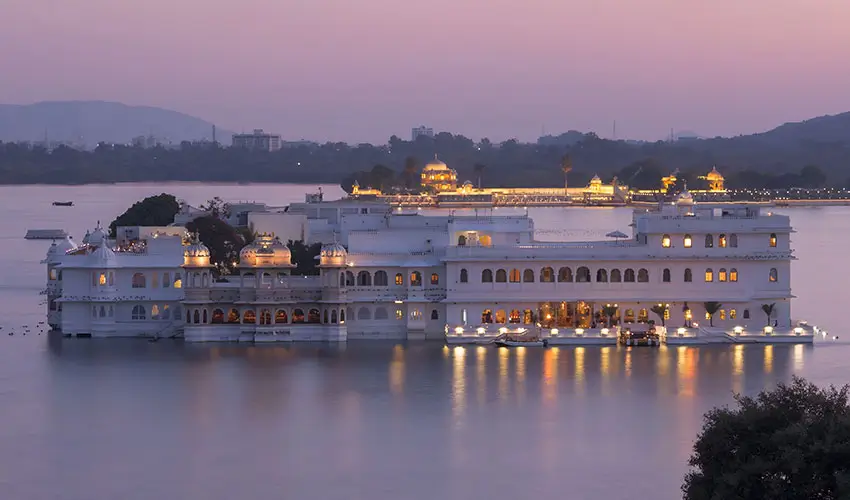
Most international visitors carry at least two devices capable of taking photographs—a smartphone and a digital camera. Fortunately, both are permitted at the majority of India's famous attractions. Whether you are photographing the marble details of the Taj Mahal, the sandstone architecture of Agra Fort, the colorful facades of Jaipur, or the lakes surrounding Udaipur, ordinary personal photography is rarely a problem.
Smartphones are accepted almost everywhere open to tourists unless a specific notice prohibits photography. Modern phones produce excellent image quality, making them the preferred choice for many travelers who wish to travel light. Compact cameras and mirrorless cameras are equally welcome at most outdoor monuments.
Professional DSLR cameras with interchangeable lenses are also allowed at many historical sites. However, visitors carrying large telephoto lenses, multiple camera bodies, lighting equipment, or extensive accessories may occasionally receive additional attention from security personnel. This does not necessarily indicate a restriction. Security staff simply verify that the equipment is intended for personal photography rather than commercial production.
Tripods deserve special attention. At many major monuments managed by the Archaeological Survey of India, ordinary hand-held photography is permitted while tripods are restricted. Large tripods may obstruct visitor movement, create safety concerns during busy periods, or encourage unauthorized commercial photography. Photographers hoping to capture sunrise, sunset, or long-exposure images should confirm local regulations before arrival rather than assuming tripod use will automatically be permitted.
Drone photography follows a very different set of rules. Drones are generally prohibited at Indian monuments, archaeological sites, government buildings, religious complexes, airports, military areas, wildlife reserves, and many densely populated locations. Flying a drone near famous attractions without proper authorization can result in confiscation, financial penalties, or legal action. Even experienced drone operators should avoid bringing drones to monuments unless they have already secured official approvals through the appropriate authorities.
Visitors creating travel videos with handheld stabilizers or compact gimbals usually experience fewer restrictions, although security officers may occasionally inspect such equipment before allowing entry. If the equipment appears suitable for commercial filming, visitors may be asked whether prior permission has been obtained.
Professional film crews, documentary producers, advertising agencies, and commercial photographers should always obtain written permission before filming at protected monuments. Commercial production generally requires separate approvals, location fees, and coordination with monument authorities.
The safest approach is simple. Carry practical photography equipment suitable for travel, leave drones packed away unless officially authorized, and follow instructions displayed at monument entrances. Doing so allows visitors to concentrate on capturing memorable photographs instead of worrying about unnecessary complications.
Another question frequently asked by international travelers concerns whether separate camera charges still apply at Indian monuments. Years ago, visitors often purchased one ticket for monument entry and another for photography. Today, this practice has become much less common, although exceptions still exist.
Most famous monuments now include ordinary personal photography within the standard admission ticket. Visitors carrying smartphones or personal cameras usually pay only the monument entrance fee. However, privately managed palaces, museums, heritage buildings, and certain religious sites may continue charging separate camera fees depending on local management policies.
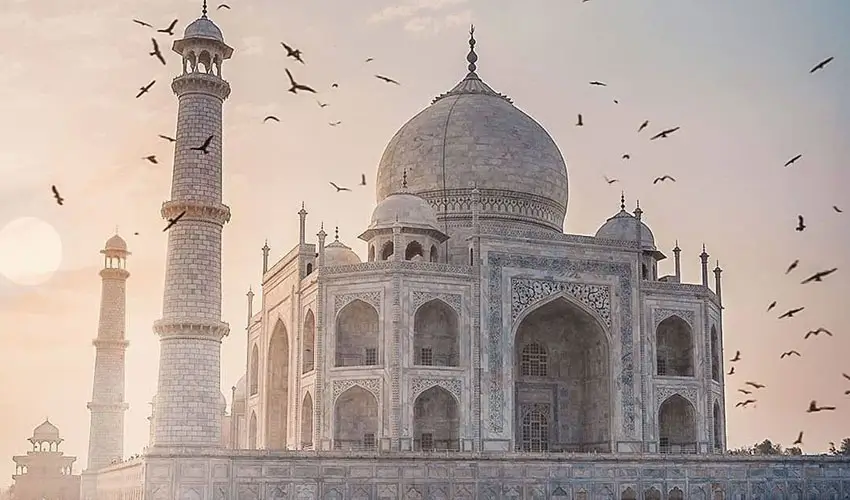
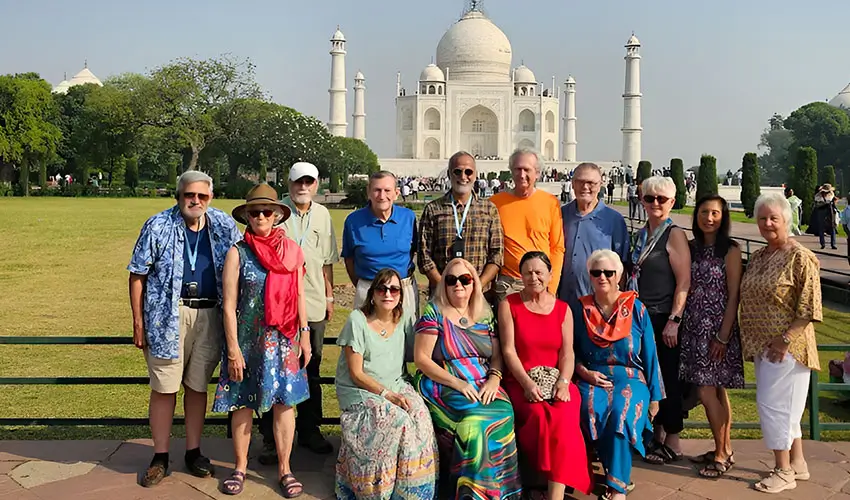
For example, the Taj Mahal currently charges separate admission rates for Indian citizens and foreign visitors. International tourists typically pay approximately ₹1,300–₹1,500, depending on ticket structure and optional access areas. This admission normally includes personal photography throughout permitted outdoor areas but does not grant permission for commercial filming or drone operations.
At monuments such as Agra Fort, Qutub Minar, Humayun's Tomb, Fatehpur Sikri, and many ASI-managed heritage sites, personal photography remains included with the standard admission ticket. Visitors should still read entrance notices carefully because temporary exhibitions or museum galleries may follow different rules.
Several royal palaces across Rajasthan occasionally maintain separate camera policies because portions of these historic buildings continue functioning as museums operated by former royal families or private trusts. Some allow unlimited photography, while others charge modest camera fees or restrict photography inside specific exhibition rooms displaying valuable collections.
Museum interiors often prohibit flash photography regardless of ticket type. Ancient manuscripts, royal paintings, historic textiles, miniature artwork, ivory carvings, and delicate artifacts gradually deteriorate under repeated exposure to bright flash illumination. Visitors should therefore expect flash restrictions even when ordinary photography remains permitted.
Ticket counters increasingly accept digital payments alongside cash. International credit cards function at many larger monuments, although carrying some Indian currency remains advisable for smaller heritage sites and privately managed attractions.
Because regulations occasionally change, visitors traveling with professional photography equipment should verify monument policies shortly before their visit through official tourism information or experienced local guides.
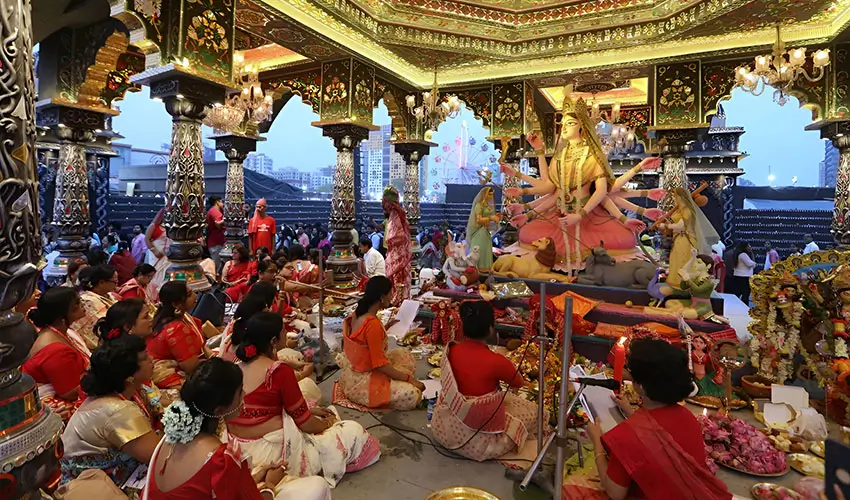
Some of India's most beautiful buildings are not monuments at all but active places of worship. Ancient temples, magnificent mosques, peaceful monasteries, historic churches, and welcoming gurudwaras continue serving local communities every day. Visitors are generally welcomed with remarkable hospitality, but photography inside these sacred spaces requires greater sensitivity than ordinary sightseeing.
Many temple complexes permit photography in gardens, courtyards, gateways, and exterior architecture while prohibiting cameras inside the innermost sanctum where religious ceremonies take place. The purpose of these restrictions is not to discourage visitors but to preserve an atmosphere suitable for worship.
Mosques often request that visitors avoid photographing people while prayers are taking place. Similar courtesy applies inside churches and monasteries, where silence and respect remain more important than obtaining photographs.
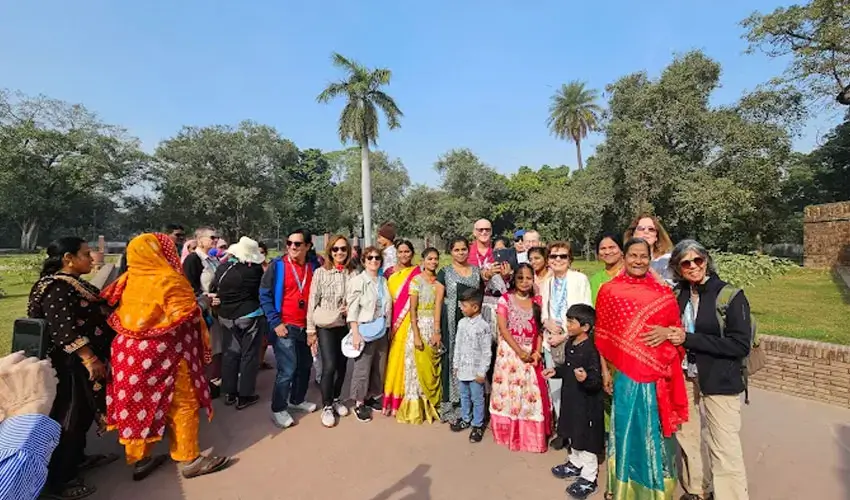
One of the most valuable habits any traveler can develop is asking permission before photographing local people. Although many Indians happily pose for photographs, particularly in markets or rural communities, others prefer privacy. A simple smile and polite request often lead to much more meaningful portraits because subjects feel comfortable rather than surprised.
Parents should always be asked before photographing children. Likewise, religious ceremonies, cremation rituals, and private family events should never be photographed without clear permission.
Understanding these customs often results in better photographs. Relaxed conversations, mutual respect, and genuine curiosity frequently produce more authentic images than hurried snapshots taken without interaction.
The most memorable travel photographs rarely depend upon expensive cameras or advanced editing software. Instead, they capture genuine moments, remarkable architecture, extraordinary landscapes, and meaningful human interactions experienced throughout the journey.
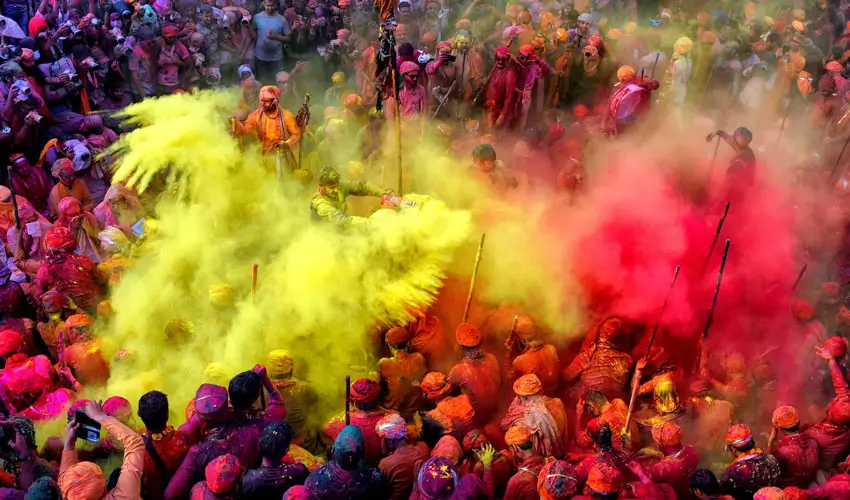
India offers endless photographic opportunities, from the white marble symmetry of the Taj Mahal and the blue streets of Jodhpur to Kerala's peaceful backwaters, Rajasthan's colorful festivals, Himalayan mountain villages, wildlife safaris, and vibrant local markets. Every destination rewards patient observation rather than rushing from one viewpoint to another.
Understanding photography rules in India allows visitors to enjoy these remarkable locations with confidence. Carrying suitable equipment, respecting monument regulations, avoiding unauthorized drone operations, observing religious etiquette, and asking permission before photographing people all contribute to responsible travel.
Rather than focusing only on collecting hundreds of images, many experienced travelers find that slowing down, waiting for changing light, observing local life, and engaging respectfully with people creates photographs that tell far richer stories. Those images become lasting reminders of a journey shaped not only by famous monuments but also by authentic cultural experiences shared along the way.
Some of India's most beautiful buildings are not monuments at all but active places of worship. Ancient temples, magnificent mosques, peaceful monasteries, historic churches, and welcoming gurudwaras continue serving local communities every day. Visitors are generally welcomed with remarkable hospitality, but photography inside these sacred spaces requires greater sensitivity than ordinary sightseeing.
Many temple complexes permit photography in gardens, courtyards, gateways, and exterior architecture while prohibiting cameras inside the innermost sanctum where religious ceremonies take place. The purpose of these restrictions is not to discourage visitors but to preserve an atmosphere suitable for worship.
Mosques often request that visitors avoid photographing people while prayers are taking place. Similar courtesy applies inside churches and monasteries, where silence and respect remain more important than obtaining photographs.
One of the most valuable habits any traveler can develop is asking permission before photographing local people. Although many Indians happily pose for photographs, particularly in markets or rural communities, others prefer privacy. A simple smile and polite request often lead to much more meaningful portraits because subjects feel comfortable rather than surprised.
Parents should always be asked before photographing children. Likewise, religious ceremonies, cremation rituals, and private family events should never be photographed without clear permission.
Understanding these customs often results in better photographs. Relaxed conversations, mutual respect, and genuine curiosity frequently produce more authentic images than hurried snapshots taken without interaction.
The most memorable travel photographs rarely depend upon expensive cameras or advanced editing software. Instead, they capture genuine moments, remarkable architecture, extraordinary landscapes, and meaningful human interactions experienced throughout the journey.
India offers endless photographic opportunities, from the white marble symmetry of the Taj Mahal and the blue streets of Jodhpur to Kerala's peaceful backwaters, Rajasthan's colorful festivals, Himalayan mountain villages, wildlife safaris, and vibrant local markets. Every destination rewards patient observation rather than rushing from one viewpoint to another.
Understanding photography rules in India allows visitors to enjoy these remarkable locations with confidence. Carrying suitable equipment, respecting monument regulations, avoiding unauthorized drone operations, observing religious etiquette, and asking permission before photographing people all contribute to responsible travel.
Rather than focusing only on collecting hundreds of images, many experienced travelers find that slowing down, waiting for changing light, observing local life, and engaging respectfully with people creates photographs that tell far richer stories. Those images become lasting reminders of a journey shaped not only by famous monuments but also by authentic cultural experiences shared along the way.
Enquire now and connect with a dedicated Travel Expert who will respond within 24 hours to begin crafting your private journey.
Dev
Travel Expert
12+ yrs experience

Have a look at our original experiences and then contact us with your questions, or call +91-9351360903

Our Experts will send you a detailed holiday itinerary specified to your desires. It's our service promise to you.

Tailor-made doesn't mean expensive! Ask about our price promise and book with financial security.
Yes. DSLR and mirrorless cameras are generally permitted for personal use at most historical monuments.
No. Drone photography is generally prohibited around major monuments, archaeological sites, protected heritage areas, and many public attractions unless special government permission has been obtained.
Yes. Personal photography is permitted in most public areas of the Taj Mahal, but certain interior sections have restrictions and flash photography should be avoided.
At many monuments, personal photography is included with the admission ticket. Some privately managed palaces and museums may charge separate camera fees.
Usually not. Flash photography is commonly prohibited to protect historic paintings, manuscripts, textiles, and delicate artifacts.
Yes, but asking permission first is considered polite and often results in better photographs.
Tripod policies vary. Many monuments restrict or prohibit tripods without prior authorization.
Yes. Handheld action cameras are generally allowed for personal photography unless local regulations state otherwise.
Commercial photography and filming usually require prior written permission from the relevant monument authorities.
Early morning and late afternoon generally provide the softest natural light, fewer crowds, and more comfortable temperatures, making these periods ideal for travel photography in India.