Royal Palace Stays in India
17 Sep 2025
For many international travelers, planning a vacation to India begins with one important decision that shapes the entire journey. Should the itinerary focus on North India, famous for royal palaces, Himalayan landscapes, Mughal monuments, colorful markets, and tiger safaris, or should it center around South India, where tropical beaches, peaceful backwaters, tea plantations, ancient temples, spice gardens, and coastal scenery create a completely different atmosphere?
The answer is rarely straightforward because these two regions represent remarkably different sides of the country. Visitors often expect India to offer one consistent travel experience, yet the contrast between the north and the south becomes clear almost immediately after arrival. Architecture changes, landscapes become entirely different, cuisine evolves, languages vary, religious traditions appear in new forms, and even the rhythm of everyday life feels noticeably different.
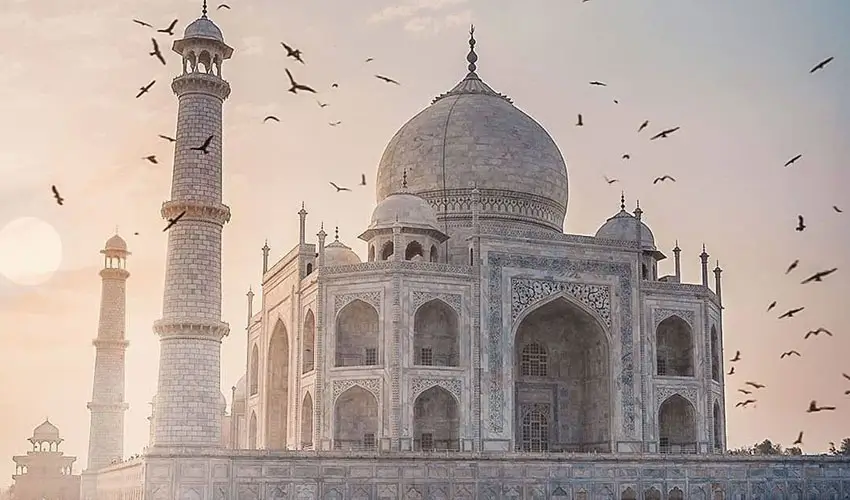
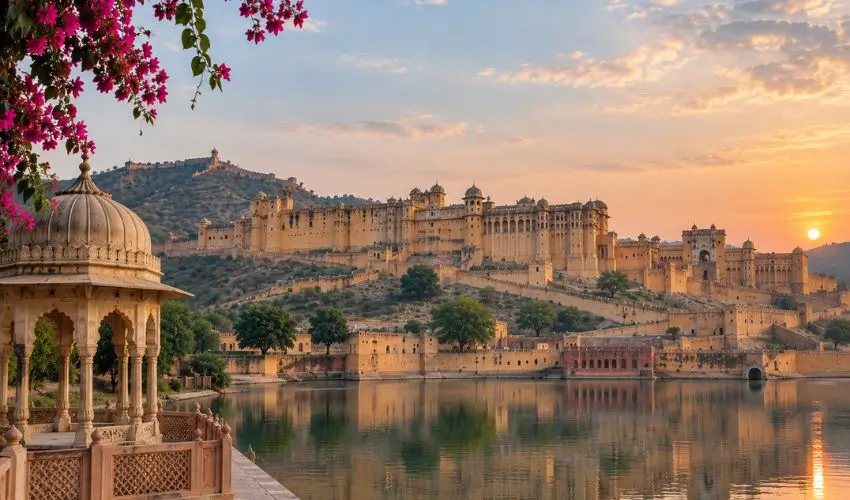
A journey through North India introduces travelers to some of the country's most recognized landmarks. The Taj Mahal, Jaipur's magnificent forts, Delhi's Mughal heritage, Varanasi's ancient riverfront, Rajasthan's royal palaces, and the wildlife of Ranthambore all create an itinerary filled with history, architecture, and vibrant cultural experiences.
South India presents a quieter and more nature-focused perspective. Kerala's backwaters, Tamil Nadu's towering temple complexes, Karnataka's royal heritage, Coorg's coffee estates, Munnar's rolling tea gardens, and Goa's beautiful coastline introduce visitors to tropical landscapes that contrast dramatically with northern India.
Many travelers eventually visit both regions, but those arriving for the first time often have limited vacation time. Choosing one region allows a more relaxed pace while providing deeper cultural understanding instead of attempting to cover too much within a short itinerary.
Luxury travel also differs considerably. Heritage palace hotels dominate much of North India, while South India specializes in boutique beach resorts, wellness retreats, plantation bungalows, luxury houseboats, and rainforest lodges. Neither approach is superior; each reflects the surrounding landscape and regional traditions.
Photography enthusiasts, honeymoon couples, wildlife lovers, families, senior travelers, and repeat visitors frequently reach different conclusions after comparing these two regions. Personal travel interests usually matter far more than destination popularity.
This comparison looks closely at North India luxury tours, South India luxury holidays, climate, accommodation, food, transportation, culture, wildlife, sightseeing, photography, and overall travel style so international visitors can confidently select the region that best matches their expectations.
The first noticeable difference between North India and South India appears long before reaching the first monument or hotel. Simply looking through the vehicle window reveals how dramatically the country's geography changes from one region to another.
North India offers extraordinary geographical diversity. Travelers may begin their journey in Delhi's energetic capital city before continuing toward Agra's Mughal architecture, Rajasthan's desert landscapes, the foothills of the Himalayas, or the forests surrounding famous tiger reserves. Wide highways pass medieval forts, traditional villages, agricultural fields, marble workshops, rivers, mountain scenery, and historic cities that have shaped Indian history for centuries.
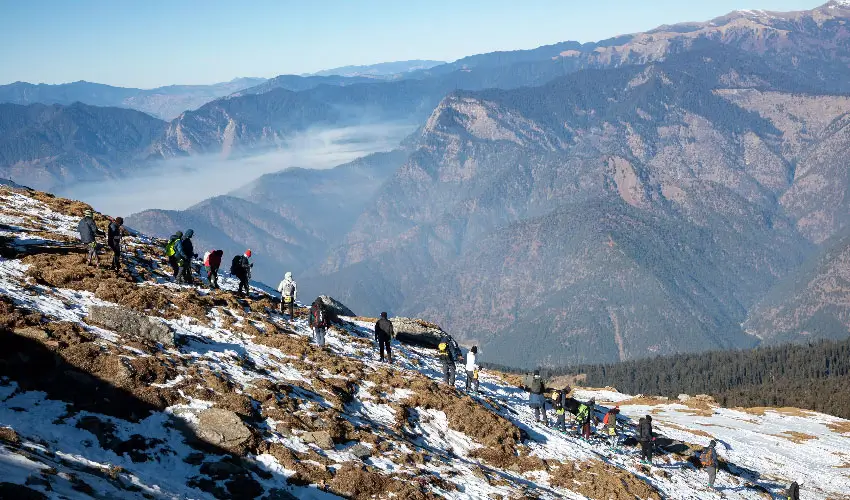
Rajasthan introduces golden sandstone architecture rising from arid landscapes, while destinations such as Shimla, Dharamshala, or Kashmir replace desert scenery with cool mountain air, pine forests, snow-covered peaks, and scenic valleys. Wildlife reserves including Ranthambore National Park, Jim Corbett National Park, and Bandhavgarh National Park provide another completely different landscape where forests become the center of the travel experience.
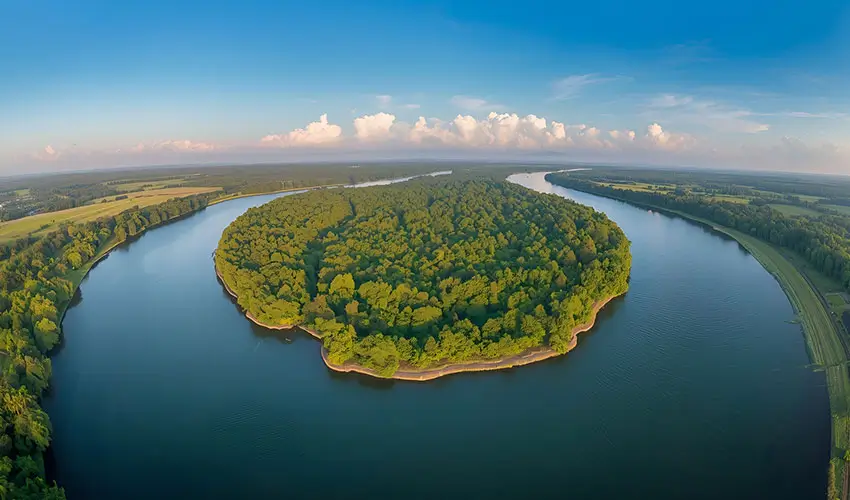
South India creates an entirely different impression. Greenery dominates the landscape throughout much of the region. Coconut palms line roads, rivers flow gently through villages, waterfalls appear beside forested hills, tea plantations stretch across mountain slopes, coffee estates cover rolling valleys, and tropical beaches meet the Arabian Sea and the Bay of Bengal.
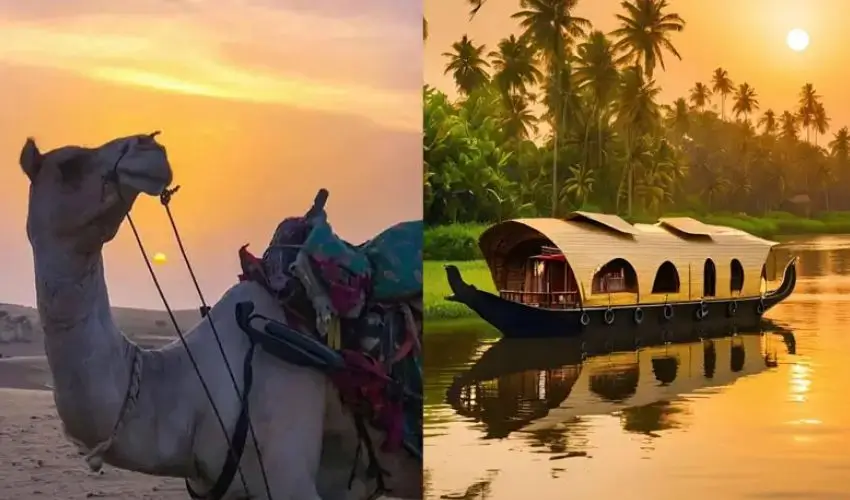
Kerala's famous backwaters form one of the most distinctive landscapes anywhere in Asia. Slow-moving canals, fishing villages, rice fields, houseboats, and peaceful lakes create scenery that feels worlds apart from Rajasthan's forts and desert cities. Further east, Tamil Nadu presents magnificent temple architecture surrounded by fertile plains, while Karnataka combines royal cities, coffee-growing regions, waterfalls, and protected forests.
Climate naturally influences these landscapes. North India experiences greater seasonal variation, with cooler winters in many regions and warmer temperatures before the arrival of the monsoon. Desert areas remain relatively dry during much of the main tourism season, creating excellent conditions for sightseeing and photography.
South India follows a tropical climate. Humidity remains higher near the coast, while hill stations such as Munnar, Coorg, and Ooty provide cooler temperatures throughout much of the year. Rainfall supports lush vegetation, spice plantations, forests, and agricultural landscapes that define much of southern India's visual character.
The atmosphere also changes with the scenery. North India often feels energetic, historical, and visually dramatic. South India generally feels calmer, greener, and more closely connected with nature. Neither atmosphere is better than the other; they simply offer different interpretations of India's remarkable diversity.
One of the most rewarding aspects of traveling through India is witnessing how culture changes from one region to another. Although the country shares a national identity, daily life, architecture, traditions, festivals, languages, clothing, and even the pace of living vary considerably between North India and South India.
North India is often the image many international travelers already recognize before arriving. Grand forts rise above rocky hills, marble mausoleums reflect centuries of Mughal craftsmanship, colorful markets overflow with textiles and handicrafts, and royal palaces preserve the legacy of Rajput kingdoms. Walking through cities such as Delhi, Jaipur, Agra, Jodhpur, or Udaipur feels like moving through different periods of Indian history.
Architecture remains one of the defining highlights. Massive gateways, carved sandstone walls, marble courtyards, domes, intricate balconies, stepwells, royal gardens, and ancient forts dominate the landscape. Every destination tells a story connected to emperors, kings, warriors, merchants, or historic trade routes.
Markets in North India are lively and energetic. Travelers can browse handwoven carpets, embroidered textiles, marble inlay work, gemstones, leather products, brassware, blue pottery, miniature paintings, and traditional jewelry while interacting with artisans whose families have practiced these crafts for generations.
South India introduces a different architectural heritage. Instead of medieval forts and Mughal monuments, visitors encounter enormous temple complexes featuring towering gopurams decorated with thousands of colorful sculptures. Cities such as Madurai, Thanjavur, and Kanchipuram showcase temple architecture that differs completely from anything found in northern India.
Daily life also follows a gentler rhythm in many southern destinations. Fishing villages wake early along the coast, tea plantation workers begin their day among rolling hills, spice farms welcome visitors into fragrant gardens, and houseboats move quietly through Kerala's backwaters. The atmosphere often feels less hurried, particularly outside the larger cities.
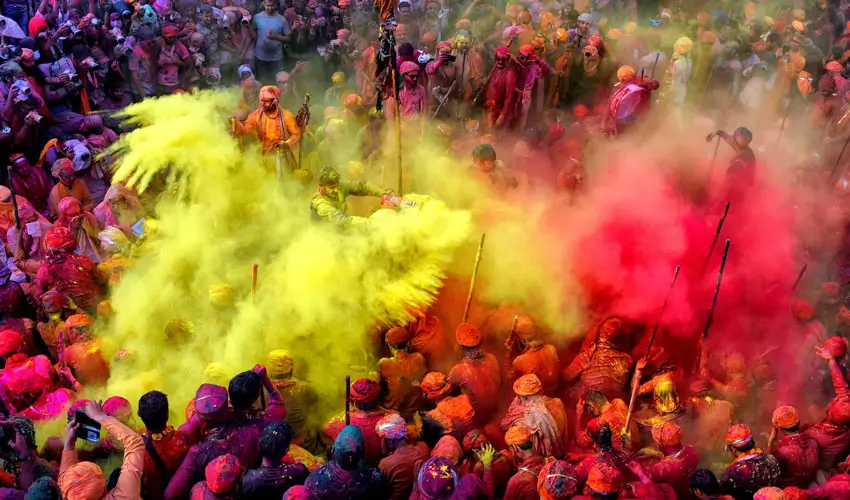
Traditional performing arts also vary significantly. Rajasthan presents folk music, puppet shows, Kalbelia dance, and royal cultural performances, while South India is famous for classical dance forms such as Bharatanatyam and Kathakali, along with Carnatic music and temple festivals.
Languages naturally change as travelers move between regions. Hindi is widely spoken across much of North India, while southern states primarily use Malayalam, Tamil, Kannada, and Telugu alongside English, which is commonly spoken in hotels, airports, restaurants, and tourism-related businesses.
Rather than replacing one another, these cultural differences demonstrate the remarkable diversity that makes India one of the world's most fascinating destinations.
Luxury travel takes on a different character depending on which half of India you choose.
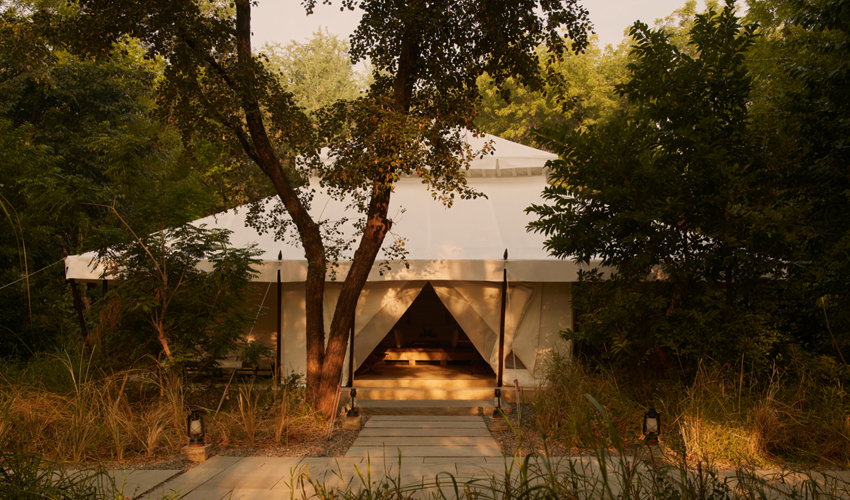
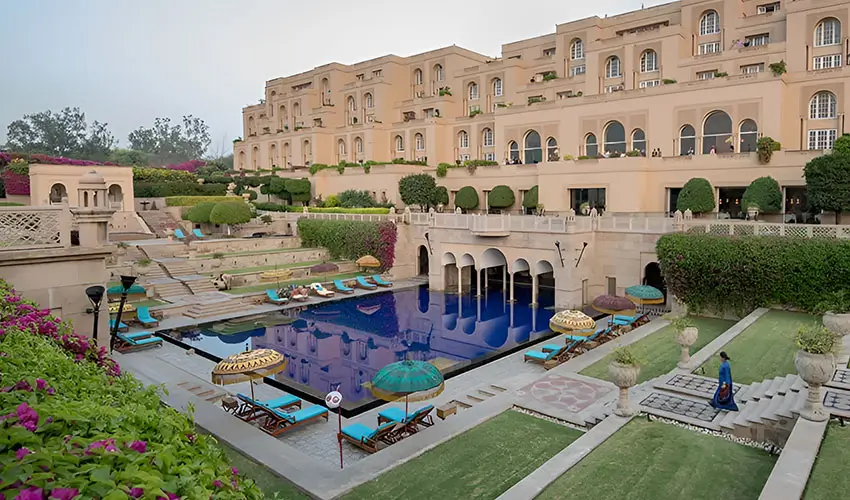
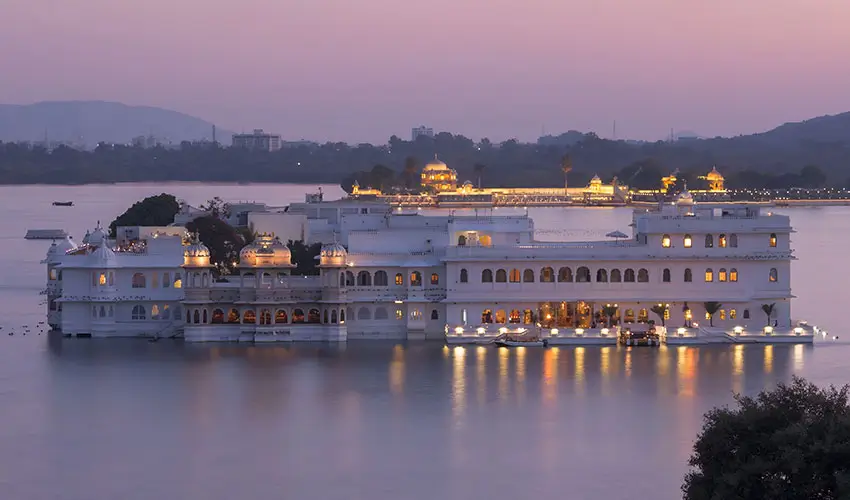
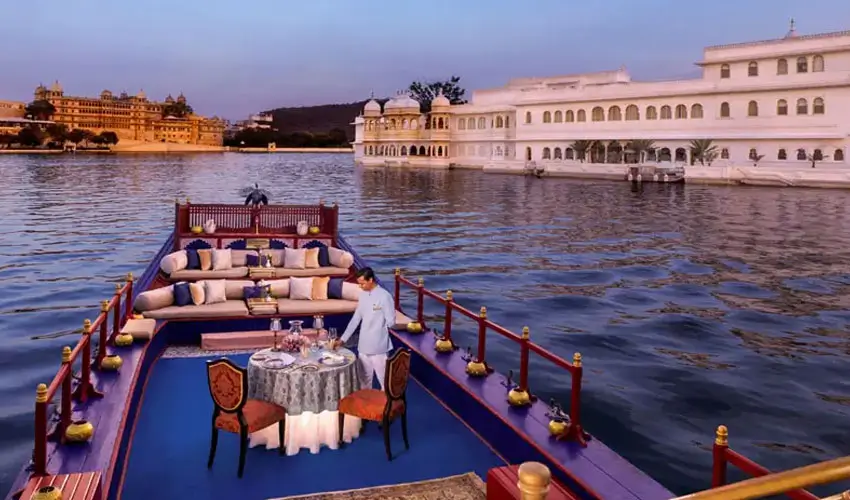
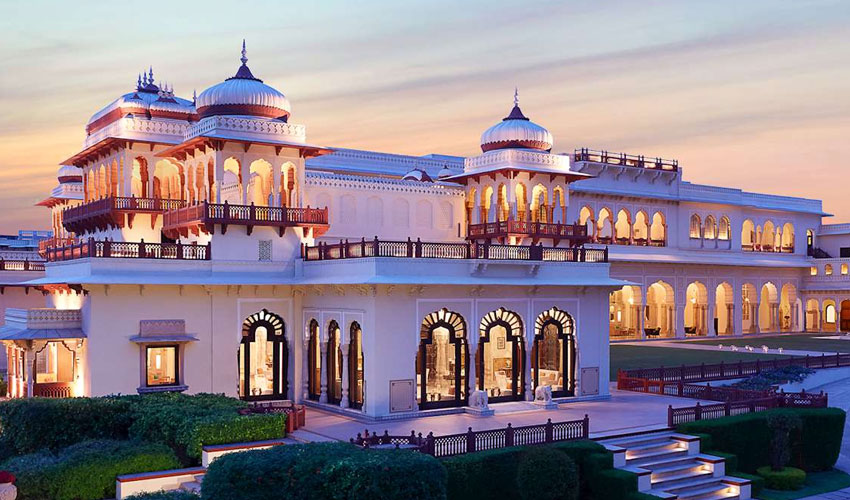
North India is internationally celebrated for its heritage hotels. Former palaces, royal residences, hunting lodges, and historic forts have been restored into luxury properties that combine centuries of history with modern comfort. Staying in these magnificent buildings often becomes one of the most memorable parts of the journey itself.
Cities such as Jaipur, Udaipur, Jodhpur, and Delhi offer exceptional palace hotels where guests enjoy elegant courtyards, traditional architecture, royal dining experiences, antique interiors, and personalized hospitality inspired by India's princely past.
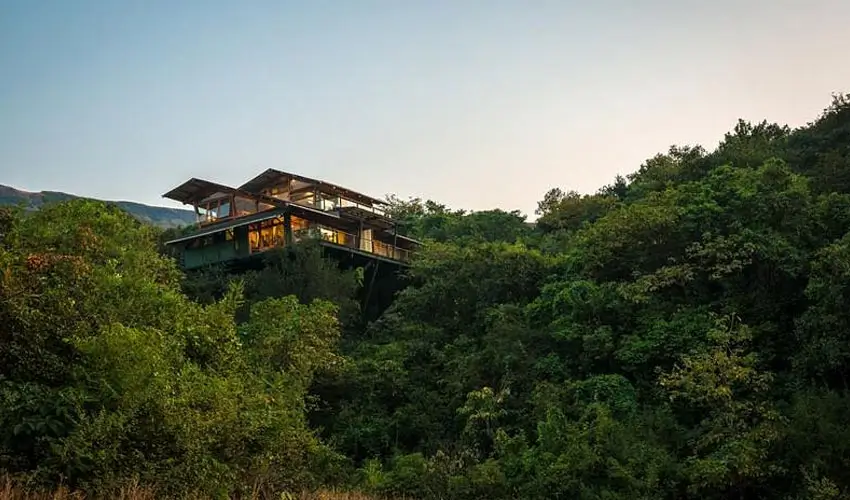
South India offers luxury in a more nature-focused setting. Boutique beach resorts, rainforest lodges, tea estate bungalows, private villas, wellness retreats, and backwater resorts emphasize privacy, relaxation, and scenic surroundings. Many properties overlook lakes, coconut groves, forests, plantations, or the Arabian Sea.
A night aboard a luxury houseboat in Kerala creates a hospitality experience unavailable anywhere else in the country. Guests slowly cruise peaceful waterways while enjoying freshly prepared regional cuisine and uninterrupted views of village life along the canals.
Wildlife experiences also differ.
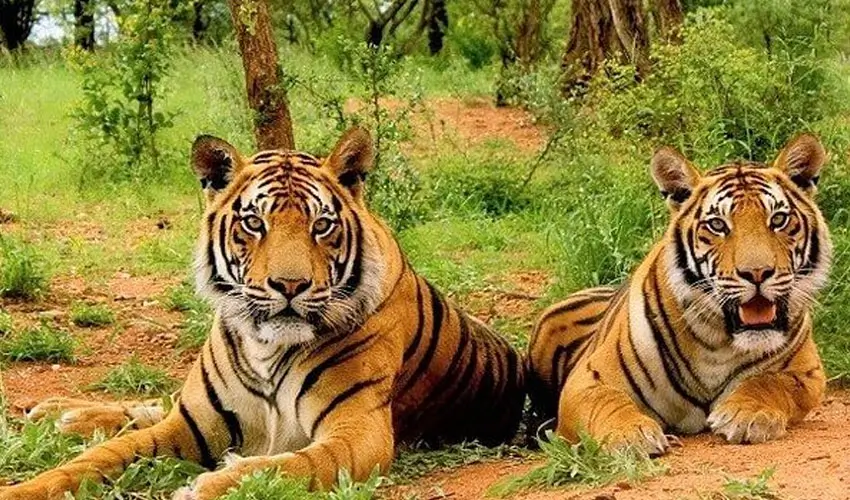
North India is home to some of the country's most famous tiger reserves. Ranthambore National Park, Bandhavgarh National Park, Kanha National Park, and Jim Corbett National Park attract wildlife photographers hoping to observe the Royal Bengal Tiger along with leopards, sloth bears, crocodiles, deer, and hundreds of bird species.
South India offers equally rewarding wildlife, although the landscape changes dramatically. Periyar National Park, Nagarhole National Park, Bandipur National Park, and Kabini Wildlife Reserve provide opportunities to see Asian elephants, gaur, wild dogs, leopards, deer, monkeys, birds, and rich tropical ecosystems.
Beach lovers naturally find greater variety in South India. Kerala, Goa, Karnataka, and Tamil Nadu all feature beautiful coastlines where luxury resorts, quiet beaches, seafood restaurants, and water activities create relaxed holiday experiences.
North India does not offer beaches, but it compensates with lakes, deserts, mountain scenery, riverfront cities, and architectural landmarks that provide equally memorable travel experiences.
Cuisine represents another major difference.
North Indian food generally features wheat-based breads, rich curries, kebabs, tandoori cooking, lentils, dairy products, and Mughlai influences.
South Indian cuisine emphasizes rice, coconut, seafood, curry leaves, tropical fruits, spices, lentils, and lighter preparations. International travelers often appreciate the freshness and regional variety available throughout Kerala, Tamil Nadu, Karnataka, and Andhra Pradesh.
The decision between North India and South India becomes much easier once personal travel interests are considered.
Travelers fascinated by history, royal architecture, UNESCO World Heritage Sites, colorful cities, desert landscapes, and cultural landmarks usually find North India more closely aligned with their expectations.
Those seeking tropical scenery, beaches, wellness, plantations, wildlife, peaceful waterways, and slower-paced holidays often feel naturally drawn toward South India.
Photography enthusiasts enjoy exceptional opportunities in both regions.
North India excels in architectural photography, vibrant markets, royal palaces, forts, festivals, wildlife safaris, and dramatic landscapes.
South India rewards photographers with mist-covered mountains, tea plantations, waterfalls, reflections across backwaters, temple architecture, beaches, rainforests, elephants, and lush tropical scenery.
Families frequently enjoy North India's interactive attractions including forts, wildlife safaris, camel rides, colorful bazaars, and palace museums.
South India offers relaxed beach vacations, boating experiences, plantation visits, elephant encounters, and spacious luxury resorts that appeal to travelers looking for slower itineraries.
Couples planning a honeymoon can confidently choose either region depending on their preferences.
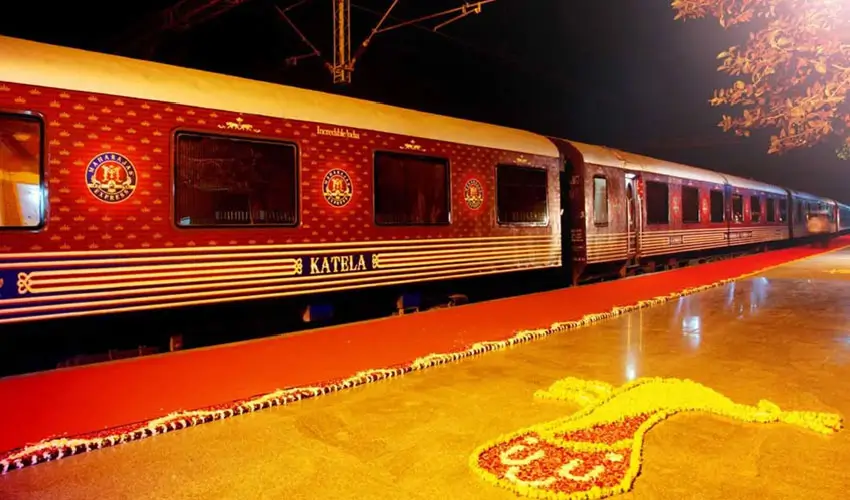
North India delivers royal romance through palace hotels, lakeside dining, heritage cities, and luxury train journeys.
South India creates intimacy with private beach resorts, wellness retreats, secluded backwaters, tropical sunsets, and plantation hideaways.
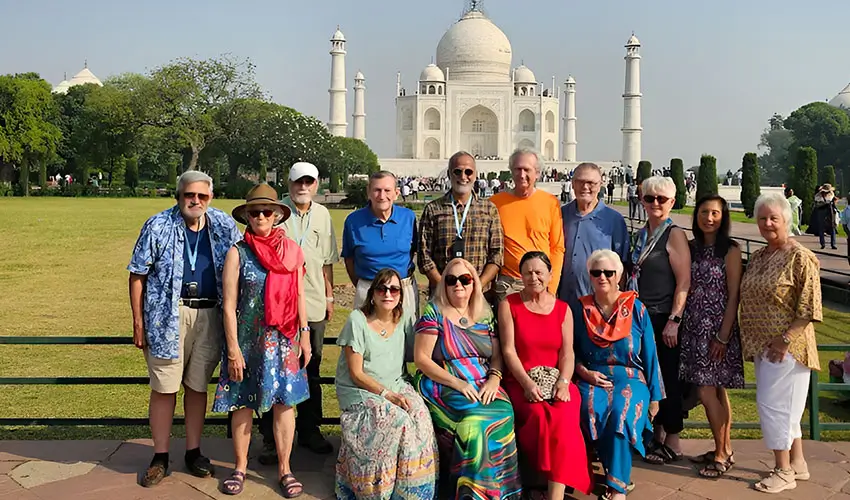
Senior travelers often appreciate South India's gentle pace, although North India works equally well when arranged with private transportation, carefully planned sightseeing, and comfortable heritage accommodations.
Visitors with approximately two weeks available sometimes combine both regions using domestic flights, although many experienced travelers recommend focusing on one region during the first visit. Spending more time within fewer destinations creates a richer experience than rushing between distant locations.
The remarkable diversity between North and South India ensures that whichever region visitors choose first, there is always another unforgettable journey waiting to be planned.
Enquire now and connect with a dedicated Travel Expert who will respond within 24 hours to begin crafting your private journey.

Dev
Travel Expert
12+ yrs experience

Have a look at our original experiences and then contact us with your questions, or call +91-9351360903

Our Experts will send you a detailed holiday itinerary specified to your desires. It's our service promise to you.

Tailor-made doesn't mean expensive! Ask about our price promise and book with financial security.
North India is often recommended for first-time visitors because it includes landmarks such as the Taj Mahal, Jaipur, Delhi, and Rajasthan's royal heritage.
Generally, yes. South India is known for its slower pace, tropical scenery, beaches, wellness retreats, and peaceful backwaters.
North India is famous for heritage palace hotels, while South India specializes in luxury resorts, plantation stays, wellness retreats, and boutique beachfront properties.
Both regions offer outstanding wildlife. North India is particularly famous for tiger safaris, while South India is known for elephants, rainforests, and diverse ecosystems.
Both are excellent choices. North India offers royal palaces and heritage experiences, while South India provides beaches, private resorts, and tranquil backwaters.
South India has the country's best-known beaches, including destinations in Kerala, Goa, Karnataka, and Tamil Nadu.
Yes. Travelers with two to three weeks available can comfortably combine both regions using domestic flights.
North India is ideal for architecture and cultural photography, while South India excels in landscapes, plantations, beaches, wildlife, and tropical scenery.
North India contains a larger concentration of Mughal monuments, forts, palaces, and UNESCO World Heritage Sites.
The best choice depends on your travel interests. Visitors interested in history and royal heritage often begin with North India, while travelers seeking nature, beaches, wellness, and tropical landscapes frequently choose South India for their first Indian vacation.