Royal Palace Stays in India
17 Sep 2025
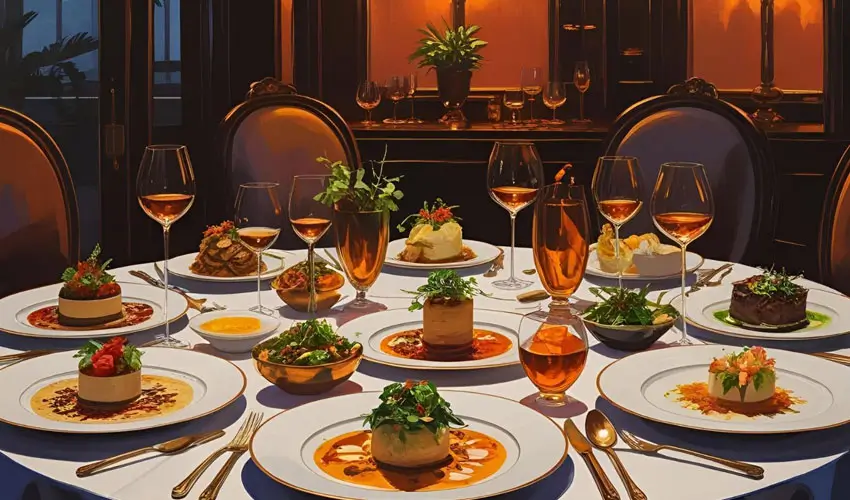
India’s culinary identity has traditionally been associated with rich flavors, regional diversity, and deeply rooted food traditions. However, over the past decade, the country has undergone a remarkable transformation in the way its cuisine is presented and experienced. Fine dining in India is no longer confined to traditional recipes served in conventional settings. It has evolved into a sophisticated culinary movement where technique, presentation, and storytelling come together to create experiences that rival the best in the world.
This transformation has given rise to what can now be described as Michelin-standard dining in India, even in the absence of a long-standing domestic Michelin Guide presence. Restaurants across major cities have adopted global culinary standards while maintaining the authenticity of Indian flavors. Chefs trained in international kitchens are returning to India with a new perspective, blending traditional ingredients with modern techniques to create dishes that are both innovative and rooted in heritage.
The emergence of this culinary culture has positioned India as a serious contender in the global fine dining landscape. Travelers who once viewed India primarily as a destination for cultural exploration are now recognizing its potential as a hub for luxury culinary experiences in India, where every meal becomes an opportunity to engage with the country’s evolving gastronomic identity.
The term “Michelin-standard” carries a certain weight, often associated with precision, consistency, and excellence. In India, this concept has been adapted to reflect a balance between global benchmarks and local authenticity. Rather than replicating Western fine dining models, Indian restaurants have reinterpreted them, creating a unique culinary language that is both familiar and distinctive.
At the heart of this approach is a commitment to quality. Ingredients are carefully sourced, often locally, to ensure freshness and sustainability. Techniques are refined, with chefs paying close attention to every detail, from preparation to plating. Service is elevated, focusing on personalization and attention to detail. These elements combine to create a dining experience that aligns with Michelin-level dining in India, even if it is expressed through a distinctly Indian lens.
For international travelers, this means that dining in India offers something different. It is not about imitation; it is about interpretation. The flavors may be rooted in tradition, but the execution reflects a modern, global standard. This fusion is what makes fine dining restaurants in India so compelling, offering a balance between familiarity and discovery.
Turn Every Meal into a Luxury Experience
From handcrafted tasting menus to immersive dining settings, India offers unique culinary journeys that go far beyond just food — creating memories that last a lifetime.
Mumbai stands at the forefront of India’s fine dining revolution. The city’s dynamic energy and cosmopolitan culture have created an environment where culinary innovation thrives. Restaurants here are not just places to eat; they are spaces where chefs experiment, redefine, and push boundaries.
Dining in Mumbai often feels like a performance. The use of molecular gastronomy, interactive presentations, and multi-course tasting menus transforms the meal into an experience. This is particularly evident in establishments that focus on modern Indian cuisine, where traditional dishes are reimagined with contemporary techniques. The result is a form of modern Indian fine dining that is both visually striking and deeply flavorful.
The city’s connection to global culinary trends also plays a significant role. International influences are seamlessly integrated into local menus, creating a diverse dining landscape. For travelers seeking luxury dining experiences in Mumbai, the city offers a range of options that cater to different tastes while maintaining a consistent standard of excellence.
Delhi’s contribution to India’s fine dining scene is defined by its emphasis on innovation and leadership. The city is home to some of the most influential chefs in the country, individuals who have played a key role in shaping the modern narrative of Indian cuisine.
Restaurants in Delhi often focus on inventive approaches, where traditional recipes are deconstructed and reassembled in new forms. This approach challenges diners to rethink their understanding of Indian food, presenting familiar flavors in unexpected ways. The precision and creativity involved in this process align closely with the principles of Michelin-standard restaurants in India, where every dish is crafted with intention and expertise.
Beyond the food itself, the dining experience in Delhi is characterized by its attention to detail. From the ambiance to the service, every element is designed to enhance the overall experience. This holistic approach is what defines luxury dining in Delhi, making it a key destination for culinary travelers.
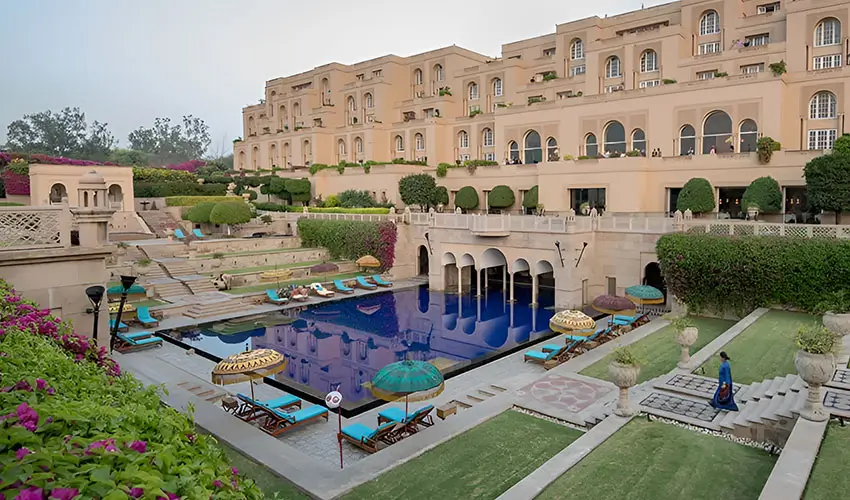
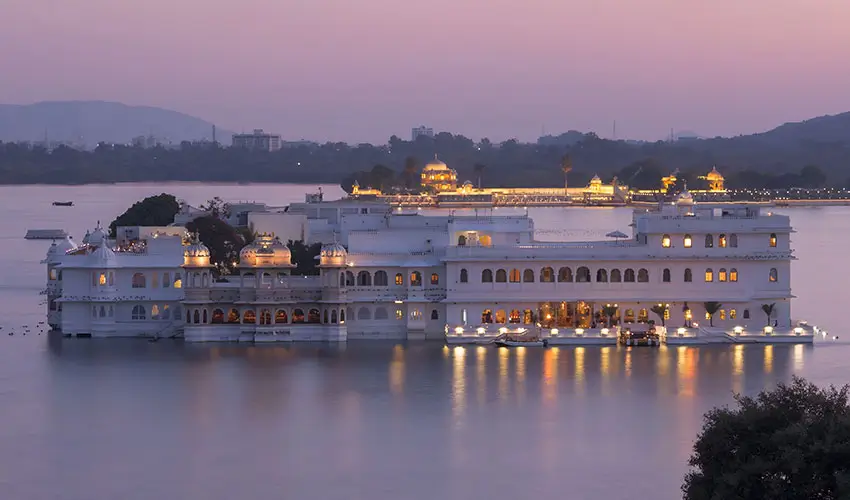
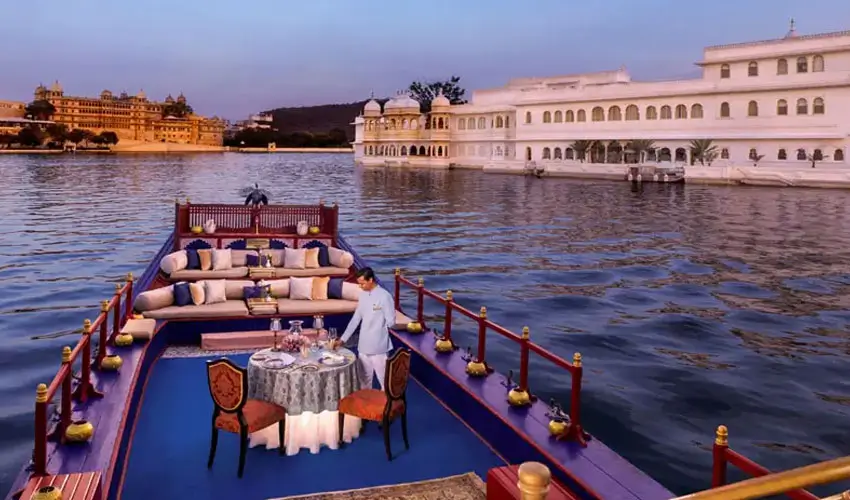
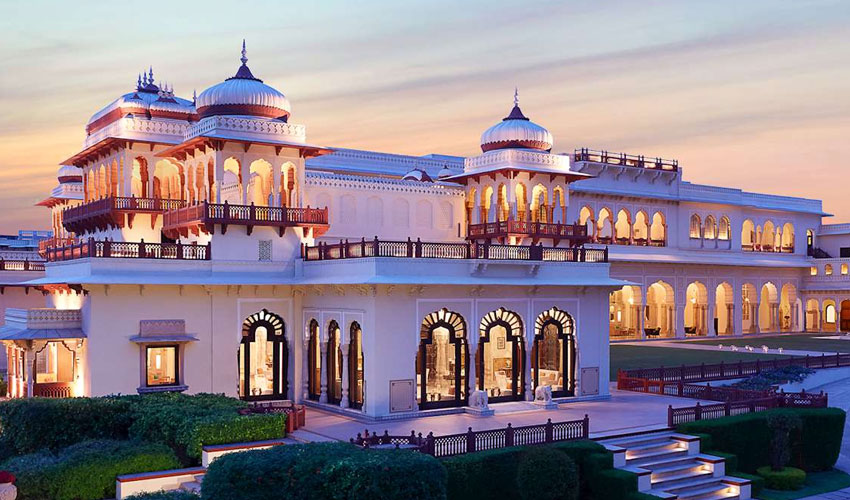
One of the most unique aspects of dining in India is the opportunity to experience it within historic settings. Palaces, forts, and heritage properties have been transformed into luxury hotels, offering dining experiences that are as much about atmosphere as they are about food.
In cities like Udaipur and Jaipur, meals are often served in courtyards, terraces, or grand halls that reflect the architectural beauty of the past. The setting itself becomes part of the experience, adding a layer of depth that cannot be replicated in modern restaurants. This is where luxury heritage dining in India truly stands out.
The menus in these settings often draw inspiration from royal kitchens, where recipes have been preserved and refined over generations. The combination of traditional flavors, elegant presentation, and historic ambiance creates a dining experience that feels both timeless and exclusive.
Hyderabad offers a different perspective on fine dining, one that is deeply rooted in tradition. The city’s culinary heritage is influenced by the Nizams, whose kitchens were known for their opulence and attention to detail.
Dining in Hyderabad often revolves around slow-cooked dishes that emphasize depth of flavor. Techniques such as dum cooking, where food is prepared in sealed containers, create a richness that is both complex and satisfying. This approach to cooking reflects a level of craftsmanship that aligns with authentic luxury dining in India.
The experience is further enhanced by the setting. Many restaurants in Hyderabad are located in historic buildings, where the architecture and decor reflect the grandeur of the past. This combination of food and environment creates a sense of continuity, connecting modern diners to a rich culinary legacy.
Plan Your Luxury Dining Journey in India
Explore curated dining experiences, chef-led tasting menus, and luxury stays designed to give you a seamless and indulgent culinary journey across India.
In India, hospitality is not just a service; it is a cultural value. This is particularly evident in the fine dining sector, where attention to detail extends beyond the plate. Staff are trained to anticipate needs, personalize interactions, and create an environment that feels both welcoming and refined.
This emphasis on hospitality is a key component of Michelin-style dining experiences in India. It ensures that every aspect of the meal, from arrival to departure, is handled with care and precision. For international travelers, this creates a sense of comfort and trust, enhancing the overall experience.
The integration of hospitality and cuisine is what sets India apart. It transforms dining into a complete experience, where every element contributes to a sense of luxury and satisfaction.
For travelers, dining in India is not just about individual meals; it is about the journey as a whole. Culinary travel allows individuals to explore different regions, each with its own flavors and traditions. This creates a dynamic experience where every destination offers something new.
From the coastal flavors of the south to the rich, spiced dishes of the north, India’s culinary diversity is vast. This makes it an ideal destination for luxury food tours in India, where travelers can experience the full spectrum of the country’s gastronomy.
These journeys are often curated to include not just dining, but also interactions with chefs, visits to local markets, and insights into cooking techniques. This immersive approach adds depth to the experience, making it both educational and enjoyable.
Designing a culinary journey in India requires careful planning and local expertise. The country’s vastness and diversity mean that selecting the right destinations, restaurants, and accommodations is crucial.
A well-curated private culinary tour in India ensures that travelers experience the best of what the country has to offer. From securing reservations at top restaurants to arranging stays in luxury properties, every detail is managed to create a seamless experience.
Gmail :- info@topindialuxurytours.com
Call & Whatsapp :- +91-9351360903
Enquire now and connect with a dedicated Travel Expert who will respond within 24 hours to begin crafting your private journey.

Dev
Travel Expert
12+ yrs experience

Have a look at our original experiences and then contact us with your questions, or call +91-9351360903

Our Experts will send you a detailed holiday itinerary specified to your desires. It's our service promise to you.

Tailor-made doesn't mean expensive! Ask about our price promise and book with financial security.
You can consult experts for curated and personalized itineraries.
Yes, menus are often adapted to suit global tastes.
Yes, especially for high-end restaurants.
Yes, many restaurants cater specifically to international travelers.
Its combination of traditional flavors and modern techniques.
Some Indian restaurants have Michelin recognition internationally, and similar standards exist in India.
Mumbai, Delhi, Jaipur, Udaipur, and Hyderabad are among the top destinations.
Dining experiences, chef interactions, and cultural insights.
It varies, but it offers excellent value compared to global destinations.
It refers to high-quality dining experiences that meet global fine dining standards.