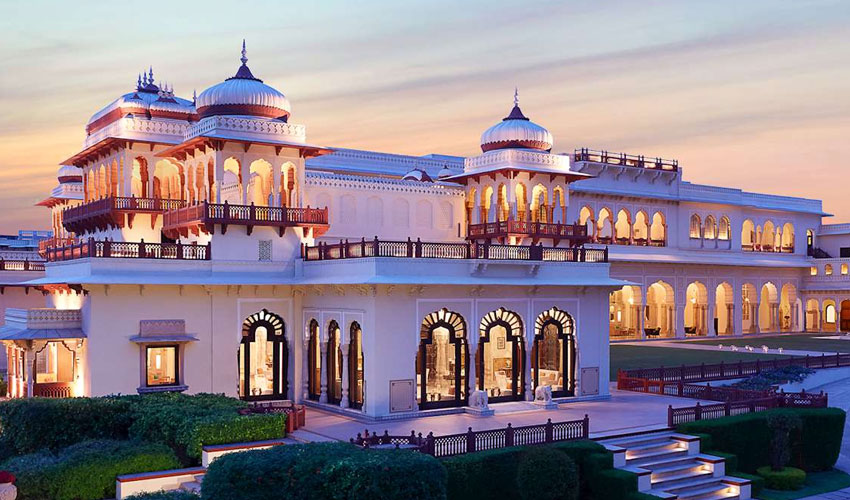
Royal Palace Stays in India
17 Sep 2025
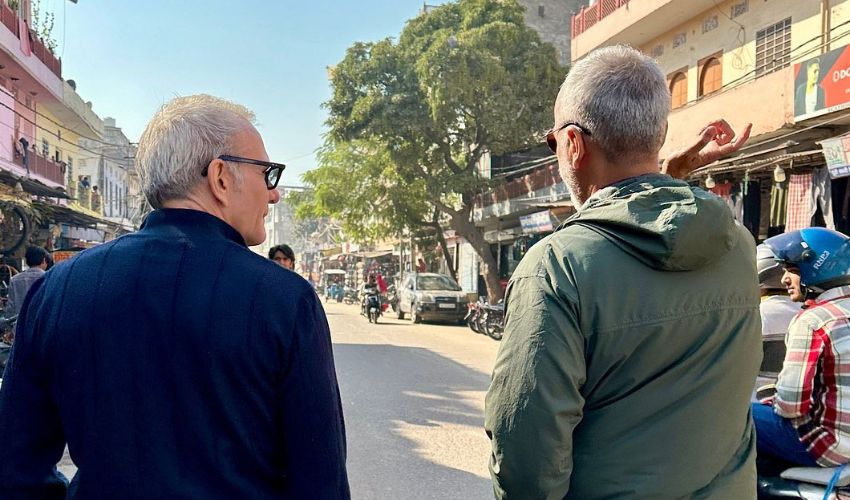
India welcomes millions of international visitors every year, yet one question appears repeatedly before arrival: Will I be able to communicate easily? The good news is that English is widely understood in hotels, airports, luxury resorts, and major tourist attractions. However, stepping beyond these familiar places opens the door to something much more meaningful. Greeting a shopkeeper in the local language, thanking a family that invited you for tea, or asking your driver about a nearby village using a few simple words creates genuine moments that no guidebook can replace.
Many first-time visitors assume they must memorize hundreds of words before traveling. That simply is not necessary. Even learning a handful of basic Hindi phrases, combined with a few expressions from the region you are visiting, makes everyday interactions smoother and more enjoyable. Local people appreciate the effort, even when pronunciation is not perfect. Instead of expecting fluency, they often respond with warm smiles, patience, and curiosity about where you come from.
One of the biggest advantages of choosing a private India tour is having an experienced chauffeur who becomes more than just a driver. Throughout long scenic drives between destinations, many visitors naturally begin asking questions about local customs, food, festivals, family traditions, and language. Those relaxed conversations become informal language lessons where travelers gradually learn useful greetings, simple questions, and polite expressions they can confidently use throughout their journey.
Unlike countries where one language dominates every region, India is remarkably diverse. Hindi is spoken across much of northern and central India, but each state also has its own language and cultural identity. A traveler moving from Delhi to Jaipur, then onward to Kerala or Tamil Nadu, will hear different languages, accents, and expressions. Rather than finding this confusing, most international visitors describe it as one of the country's most fascinating characteristics.
Understanding this diversity helps visitors approach conversations with confidence instead of hesitation. Hotel staff, restaurant servers, guides, artisans, market vendors, and drivers understand that foreign guests are learning. Even simple greetings often receive enthusiastic encouragement, turning ordinary encounters into memorable travel experiences.
This guide explains how communication in India works, when English is enough, where Hindi phrases become useful, and how regional expressions enrich your journey. Instead of memorizing long vocabulary lists, you will learn practical language that naturally fits everyday travel situations, making conversations easier while showing respect for local culture.
Why Learning a Few Local Words Changes Your Entire India Travel Experience
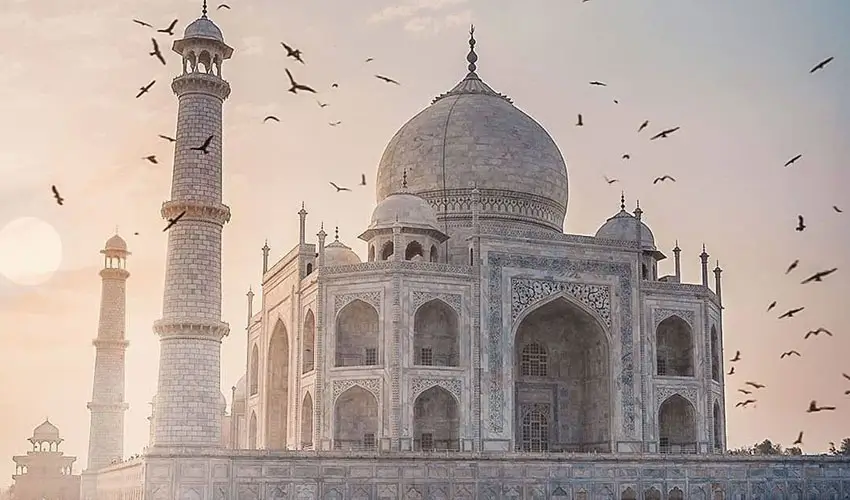
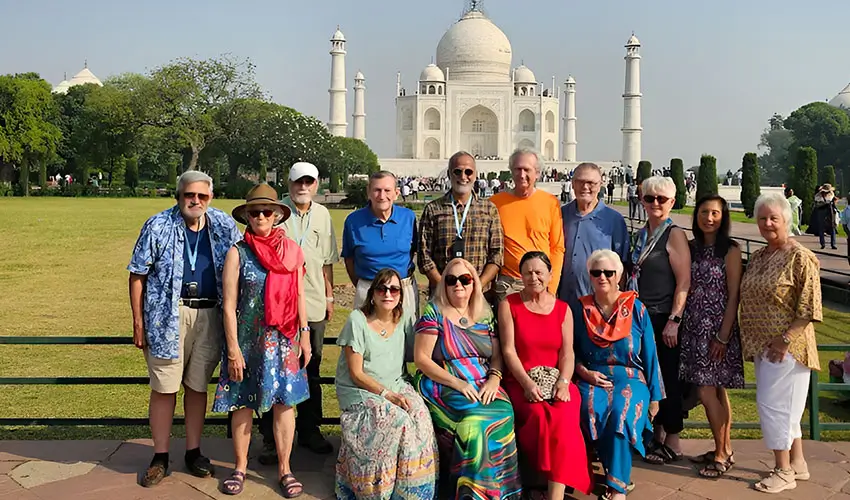
Many luxury travelers choose India because they want more than famous landmarks. Standing before the Taj Mahal is unforgettable, but meaningful travel often happens away from iconic monuments. It happens while speaking with an artisan carving marble in Agra, sharing laughter with village children near Rajasthan's countryside, chatting with a spice seller in Kochi, or thanking a family after enjoying homemade regional cuisine. Language becomes the bridge that transforms sightseeing into genuine human connection.
International visitors frequently arrive believing that language barriers will limit their experience. Surprisingly, they soon realize that communication depends far more on attitude than vocabulary. Smiling, maintaining eye contact, speaking slowly, and using a few respectful local expressions immediately create a welcoming atmosphere. Indians generally appreciate visitors who show curiosity about local culture instead of expecting everyone to adapt completely to them.
Even in luxury hotels where English is spoken fluently, small moments arise when basic Hindi words become useful. Greeting hotel staff with a polite "Namaste," thanking someone sincerely, or asking a simple question using local expressions often leads to warmer conversations. Staff members frequently respond with greater enthusiasm because they recognize genuine interest rather than routine tourism.
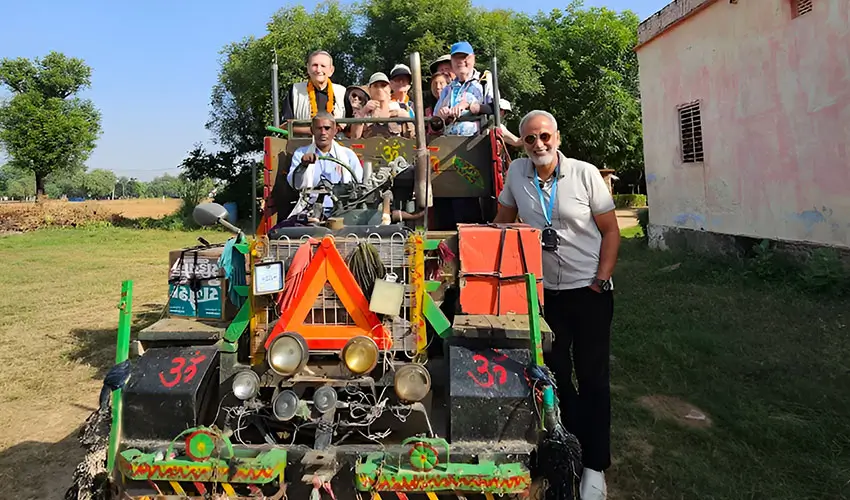
Private chauffeurs play a particularly valuable role in this experience. Unlike short taxi rides, private tours involve spending many hours together while traveling between cities. These journeys naturally encourage conversation about local life, festivals, food traditions, farming communities, architecture, religion, and everyday customs. Many travelers find themselves gradually learning useful expressions without realizing they are studying another language.
For example, while driving through Rajasthan, your chauffeur may explain the names of local foods served in roadside villages. During a wildlife journey near Ranthambore, you may learn simple expressions commonly used by forest guides. On a drive through Kerala, conversations may shift toward regional customs and Malayalam greetings. These informal lessons become part of the travel experience itself rather than feeling like classroom instruction.
Using even a few Hindi greetings for tourists demonstrates respect. Local artisans often smile when visitors greet them politely before discussing their work. Restaurant servers appreciate being thanked using familiar expressions. Market vendors usually respond warmly when travelers attempt a local greeting before negotiating prices. These moments rarely influence transactions dramatically, yet they create positive memories that many visitors remember long after returning home.
Language also helps visitors feel more confident during independent exploration. Walking through local markets becomes less intimidating when you understand common greetings or polite responses. Ordering tea, purchasing handcrafted souvenirs, asking simple directions, or thanking someone becomes easier because familiar words replace uncertainty. Confidence grows naturally with every successful interaction.
Another overlooked benefit involves cultural understanding. Every language reflects values and traditions. Learning common expressions introduces travelers to India's emphasis on respect, hospitality, family relationships, and politeness. Greetings often carry deeper meaning than simple words because they express goodwill and mutual respect rather than merely acknowledging another person's presence.
Many travelers worry about pronunciation. Fortunately, Indians are generally forgiving when foreigners attempt local languages. Perfect pronunciation is never expected. Effort matters far more than accuracy. Even imperfect attempts usually receive encouragement instead of criticism, making language learning enjoyable rather than stressful.
Instead of treating language as another travel challenge, consider it an opportunity. A few carefully chosen expressions create richer conversations, stronger cultural connections, and memorable experiences that photographs alone cannot capture. The words themselves may be simple, but the doors they open throughout your India luxury tour are remarkably rewarding.
One of the biggest concerns international visitors have before booking an India vacation is whether they will struggle with communication. Fortunately, English is one of the country's most widely used languages for tourism, business, education, hospitality, and transportation. Travelers arriving at major international airports such as Delhi, Mumbai, Bengaluru, Chennai, Hyderabad, or Kochi quickly notice that airport announcements, immigration signs, baggage information, transportation counters, and official notices are available in English. This immediately removes much of the anxiety many first-time visitors feel before arrival.
Luxury hotels, heritage palaces, boutique resorts, premium safari lodges, and internationally recognized hospitality brands operate almost entirely in English. Reception staff, concierge teams, restaurant managers, guest relation executives, and tour coordinators are accustomed to welcoming guests from North America, Europe, Australia, and other international destinations. Checking into hotels, requesting room service, arranging airport transfers, scheduling spa appointments, or discussing dietary preferences rarely presents communication difficulties.
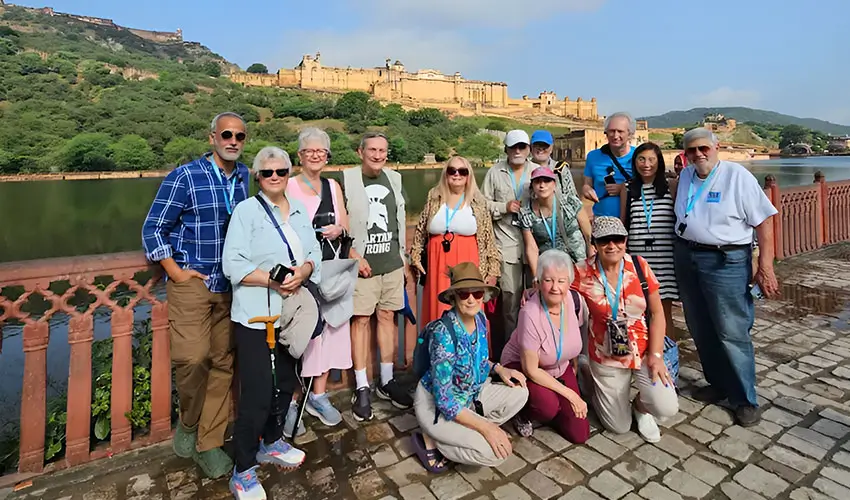
Professional private tour guides in India are also highly experienced in assisting English-speaking travelers. Guides licensed by the Ministry of Tourism are trained not only in history and architecture but also in communicating clearly with overseas visitors. Whether explaining Mughal architecture at the Taj Mahal, discussing Rajput history inside Jaipur's forts, or interpreting religious traditions while visiting Varanasi, English remains the primary language of interpretation for international guests.
Communication remains comfortable throughout most popular destinations including Delhi, Agra, Jaipur, Udaipur, Jodhpur, Ranthambore, Mumbai, Goa, Kerala, Varanasi, and many Himalayan tourist regions. Restaurants usually provide English menus, museums include English information panels, and most ticket offices assisting foreign tourists have English-speaking staff. Even railway stations and domestic airports increasingly use bilingual signage, making independent travel considerably easier than many visitors expect before reaching India.
However, travel becomes even more rewarding once you move beyond luxury hotels and famous attractions. Local bazaars, traditional villages, handicraft workshops, family-owned cafés, countryside temples, neighborhood markets, and roadside tea stalls may not always have fluent English speakers. Communication still happens successfully, but it often relies on gestures, smiles, patience, and occasionally a few simple Hindi travel phrases. Those small efforts frequently lead to genuine conversations that become some of the most memorable moments of an entire journey.
One of the biggest advantages of traveling with a professional chauffeur instead of relying on taxis or ride-sharing services is the opportunity to learn practical language naturally throughout the trip. Long drives between Delhi and Agra, Jaipur and Udaipur, or Kochi and Munnar become far more enjoyable when conversations go beyond sightseeing. Many international travelers find themselves asking the meaning of road signs, greetings they hear in villages, or words spoken by local shopkeepers. Within a few days, they often remember enough expressions to communicate politely without carrying a phrasebook.
The goal is not fluency. Instead, learning a few Hindi travel phrases helps visitors feel more comfortable while respecting local culture. Hotel employees, restaurant staff, artisans, and market vendors immediately recognize the effort, making interactions friendlier and often more personal.
One of the easiest greetings to remember is Namaste, used when meeting someone respectfully. Joining both hands together while saying the greeting is appreciated in both cities and rural communities. Unlike many greetings that depend on the time of day, this expression can be used comfortably throughout the day.
Another useful expression is Dhanyavaad, meaning thank you. Although many Indians also use the English phrase "Thank You," using the local expression leaves a positive impression, especially when speaking with older people or local craftsmen.
Visitors often hear Kripya, meaning "please," in formal conversations. Even if pronunciation is imperfect, using polite language demonstrates respect during conversations with hotel staff, shopkeepers, or guides.
When asking simple questions, travelers may hear Kitna?, meaning "How much?" Although prices are usually fixed in luxury hotels and premium shopping areas, local markets sometimes require discussion before making a purchase. Understanding this word helps visitors follow conversations more confidently.
Another practical expression is Theek Hai, which means "Okay" or "That is fine." Drivers, guides, restaurant staff, and hotel employees frequently use this phrase during everyday conversations.
When ordering food, many travelers become familiar with Paani, meaning water. While bottled mineral water is recommended throughout most journeys, recognizing the word helps visitors understand restaurant conversations.
If someone offers assistance, visitors may hear Aaiye, meaning "Please come," or Baithiye, meaning "Please sit." These polite invitations reflect India's hospitality and frequently appear during hotel check-ins, home visits, handicraft demonstrations, and cultural performances.
Rather than memorizing dozens of words before arrival, travelers generally remember these expressions through repeated conversations. By the end of a two-week India luxury vacation, many guests naturally understand greetings, common questions, polite responses, and simple everyday vocabulary without making a conscious effort to study.
One of the most fascinating aspects of travel in India is realizing that every region has its own linguistic identity. While many international visitors assume Hindi is spoken everywhere, India officially recognizes dozens of major languages and hundreds of regional dialects. This diversity is one of the country's greatest cultural strengths.
Northern India, including Delhi, Agra, Jaipur, Varanasi, and much of Rajasthan, commonly uses Hindi alongside English. Visitors traveling through these regions quickly become comfortable hearing familiar greetings repeated throughout the day.
Moving west toward Gujarat introduces Gujarati, while Punjab welcomes visitors with Punjabi greetings. Maharashtra, including Mumbai, primarily speaks Marathi. Although English remains common in tourism, local conversations naturally reflect each state's own language.
Southern India presents an entirely different linguistic landscape. Kerala primarily speaks Malayalam, Tamil Nadu uses Tamil, Karnataka speaks Kannada, and Andhra Pradesh and Telangana mainly communicate in Telugu. Despite these differences, luxury hotels, airport staff, licensed guides, and professional chauffeurs continue communicating comfortably in English.
This regional diversity often surprises first-time visitors, but it rarely creates practical challenges. Instead, it becomes an enjoyable part of the journey. Travelers quickly recognize that every destination has its own personality expressed not only through food, architecture, festivals, and clothing, but also through language.
For example, arriving in Kerala after spending several days in Rajasthan feels like entering another cultural world. Restaurant names, roadside signs, temple inscriptions, newspapers, and conversations all appear in a completely different script. Visitors often become curious about pronunciation, leading to interesting conversations with their chauffeur or guide about regional history and traditions.
Professional drivers enjoy explaining these differences because language naturally connects with local customs. During a countryside drive, they may point out village names, explain their meanings, or describe how certain expressions vary between neighboring states. These conversations transform long road journeys into engaging cultural experiences rather than simply transportation between destinations.
Travelers who enjoy photography also notice language adding character to everyday scenes. Traditional shop signs, colorful market boards, railway station names, handwritten menus, and festival banners create authentic images that reflect India's remarkable diversity. Understanding even a few words allows visitors to appreciate details they might otherwise overlook.
Instead of viewing multiple languages as confusing, experienced travelers usually consider them one of India's greatest attractions. Every state feels unique, offering new sounds, traditions, cuisines, architecture, and conversations that make multi-destination journeys exceptionally rewarding.
Visitors often worry about saying local words incorrectly, yet experienced guides repeatedly reassure guests that pronunciation is far less important than genuine politeness. Indians generally appreciate sincere attempts to communicate, even when grammar or pronunciation is imperfect.
Speaking slowly, smiling naturally, maintaining respectful body language, and listening carefully often create better communication than memorizing long vocabulary lists. Hospitality remains deeply rooted throughout the country, particularly when interacting with international visitors who show curiosity about local traditions.
Respect plays an important role in everyday communication. Greeting people before asking questions, thanking someone after receiving assistance, and acknowledging hospitality all contribute to positive interactions. These simple habits often leave a stronger impression than speaking perfect Hindi.
Body language also deserves attention. Handshakes are common in business settings and luxury hotels, while many people still greet each other with folded hands using Namaste. Visitors may comfortably return the greeting, especially when meeting elders, religious leaders, artisans, or families in traditional communities.
Speaking in a calm tone is equally valuable. Raising one's voice rarely improves communication when language barriers exist. Instead, repeating sentences slowly or using simple English usually produces much better results.
Travelers should also remember that India is culturally diverse. Customs may differ between cities, religions, and regions. Observing local behavior before entering temples, homes, or traditional ceremonies helps visitors respond appropriately without needing extensive cultural knowledge beforehand.
Perhaps the greatest lesson many international travelers take home is that meaningful communication depends more on kindness than vocabulary. Friendly conversations, shared laughter, respectful curiosity, and patience frequently overcome language differences entirely. Many visitors finish their journey realizing they communicated successfully not because they learned hundreds of words, but because they approached every interaction with openness and respect.
One of the most overlooked advantages of booking a private luxury tour in India is the relationship that naturally develops with your chauffeur. Unlike destinations where drivers simply transport guests from one attraction to another, experienced chauffeurs in India often become trusted local companions throughout the journey. Spending several hours together every day creates countless opportunities for conversations that extend far beyond directions or sightseeing schedules.
A typical morning may begin with a discussion about the day's route before gradually shifting toward local traditions, regional cuisine, architecture, agriculture, wildlife, family life, or festivals taking place in nearby villages. During these relaxed conversations, visitors naturally begin asking about words they hear repeatedly. A roadside welcome sign, a greeting exchanged between villagers, or a phrase spoken inside a restaurant quickly becomes the starting point for an enjoyable language lesson.
Professional chauffeurs who regularly accompany international travelers understand that guests are curious rather than trying to become fluent speakers. Instead of teaching grammar, they usually introduce practical expressions that can immediately be used during the trip. Travelers often practice greetings before arriving at a heritage hotel, learn polite responses before entering a handicraft workshop, or understand the meaning of common market conversations while walking through traditional bazaars.
Long scenic drives are particularly valuable for learning. A journey between Delhi and Jaipur, Jaipur and Jodhpur, or Kochi and Munnar may last several hours. Rather than viewing these drives simply as transportation, many travelers use the time to ask questions about Indian culture and communication. Drivers frequently explain the meaning of village names, religious symbols displayed along highways, regional food names, local farming terminology, and traditional customs that visitors might otherwise overlook.
These informal lessons become memorable because they happen naturally. Instead of sitting in a classroom memorizing vocabulary, travelers connect each new word with a real experience. A greeting learned before entering a family-owned restaurant becomes easier to remember after receiving warm smiles from the staff. A phrase explained during a village visit stays with visitors because it is linked to genuine interaction rather than textbook exercises.
Experienced chauffeurs also help visitors understand situations where English is more appropriate than using newly learned Hindi expressions. Luxury hotels, premium restaurants, airport staff, museum ticket offices, and licensed guides generally communicate comfortably in English. On the other hand, local markets, neighborhood cafés, rural communities, artisan workshops, and traditional villages often provide excellent opportunities to use simple local greetings. This balance allows travelers to feel confident without worrying about speaking unnecessarily.
Another valuable benefit is learning cultural context rather than only vocabulary. Drivers often explain why certain greetings are considered respectful, when formal expressions are preferred over casual language, or how body language complements spoken communication. Visitors gain practical understanding instead of memorizing isolated words without knowing when they should be used.
For families traveling with children, these conversations often become one of the highlights of the vacation. Young travelers enjoy repeating new words, asking questions about different languages, and comparing regional expressions as the journey continues across several states. Language learning becomes part of the adventure itself rather than a separate activity.
Many returning visitors later comment that some of their favorite memories were not famous monuments or luxury hotels but the everyday conversations shared inside the vehicle while driving through changing landscapes. Those relaxed exchanges provided insight into modern India, local communities, regional traditions, and everyday life that guidebooks rarely capture.
Enquire now and connect with a dedicated Travel Expert who will respond within 24 hours to begin crafting your private journey.

Dev
Travel Expert
12+ yrs experience

Have a look at our original experiences and then contact us with your questions, or call +91-9351360903

Our Experts will send you a detailed holiday itinerary specified to your desires. It's our service promise to you.

Tailor-made doesn't mean expensive! Ask about our price promise and book with financial security.
Yes. Namaste is one of the most widely recognized and respectful greetings in India. Visitors can comfortably use it when meeting hotel staff, guides, local families, artisans, and community members.
Delhi, Agra, Jaipur, Varanasi, much of Rajasthan, Uttar Pradesh, Madhya Pradesh, Haryana, and several northern states commonly use Hindi alongside English.
Yes. English is widely spoken in international airports, luxury hotels, major tourist attractions, premium restaurants, private tour companies, and by licensed tour guides. Most international visitors complete their journey without significant communication difficulties.
India does not have a single language spoken everywhere. Hindi is common across much of northern India, while every state has its own regional language. English serves as a common communication language in tourism and business.
Yes. Professional chauffeurs who regularly work with international travelers often enjoy explaining useful greetings, cultural expressions, and regional differences during long road journeys.
Learning fluent Hindi is not necessary. Knowing a few basic Hindi phrases helps create friendlier interactions and shows respect toward local people, but English remains sufficient for most tourism-related situations.
Most highways, airports, railway stations, and tourist destinations display bilingual signs using English along with regional languages, making navigation much easier for international travelers.
Absolutely. Most Indians appreciate the effort made by foreign visitors. Perfect pronunciation is rarely expected, and genuine attempts usually receive positive responses.
Translation apps can occasionally be helpful in remote areas, but travelers using experienced guides and private chauffeurs rarely need them during organized luxury tours.
Without question. Even simple greetings and polite expressions encourage warmer conversations, stronger cultural connections, and memorable interactions that often become some of the most rewarding moments of an India luxury tour.