Royal Palace Stays in India
17 Sep 2025
Parents often spend months planning an international family vacation. They research hotels, transportation, weather, sightseeing, food, and safety while trying to imagine how their children will react after arriving in a completely unfamiliar country.
When India becomes the destination, those questions become even more common.
Will the children enjoy it?
Will they become overwhelmed?
Will the journey feel too busy?
Will there be enough activities beyond monuments and museums?
The surprising answer shared by countless families is that children often experience India very differently from adults.
Parents frequently arrive with detailed sightseeing plans, carefully organized itineraries, and long lists of famous landmarks they hope to visit. Young travelers, however, rarely remember the trip through the same lens. Instead of recalling architectural details inside a palace or historical facts about an emperor, children remember feeding friendly elephants, waving to local families from the car, watching camels cross the road, tasting fresh mango juice, spotting monkeys in ancient temples, or making unexpected friends while exploring colorful markets.
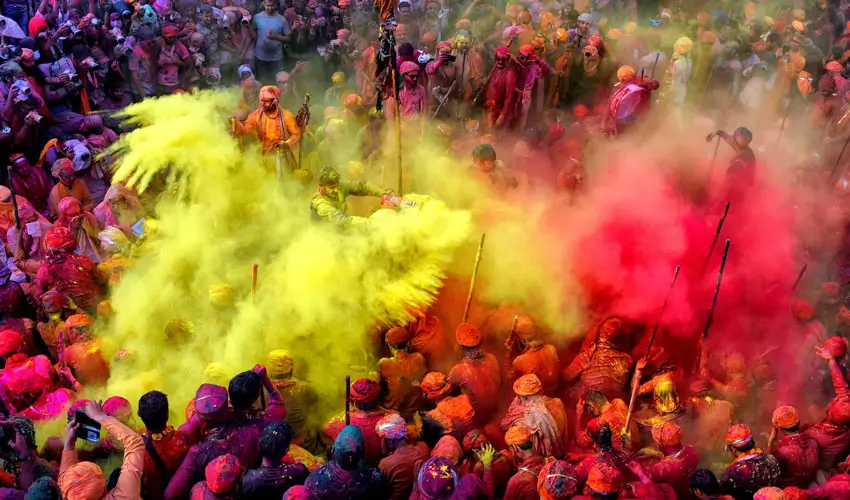
India has a remarkable ability to stimulate curiosity. Every day introduces something new that many children have never experienced before. Brightly decorated trucks travel alongside camel carts, peacocks appear unexpectedly in palace gardens, cows quietly wander through village streets, colorful kites fill the sky during festivals, and centuries-old forts seem almost identical to castles from storybooks.
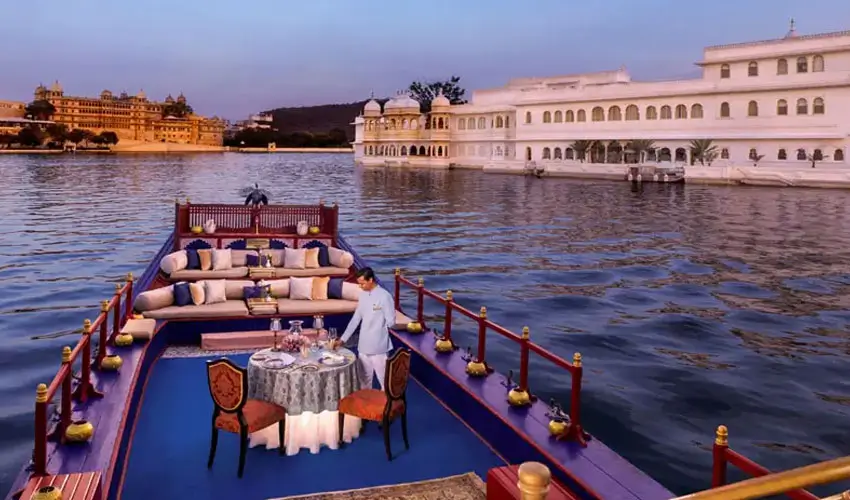
Unlike destinations where sightseeing revolves around quietly observing historical monuments, many parts of India encourage interaction. Children ride boats across beautiful lakes, watch traditional puppet performances, learn simple Hindi greetings from local guides, observe artisans creating handmade textiles, enjoy wildlife safaris, and ask endless questions about everything they see along the journey.
Parents often discover another unexpected benefit. Without the constant routine of school schedules, homework, television, and digital devices, children become naturally more observant. Long drives between destinations turn into opportunities to watch village life unfold through the window. Local fruit markets become fascinating because many fruits appear completely unfamiliar. Railway crossings, roadside tea stalls, decorated temples, and traditional clothing become conversation starters that continue throughout the vacation.
Luxury family travel in India has also evolved significantly over the past decade. Premium hotels increasingly welcome younger guests with family-friendly accommodations, spacious gardens, swimming pools, child-focused dining options, flexible meal times, and activities that keep children engaged after sightseeing has ended.
Rather than trying to entertain children every minute, India naturally creates moments of curiosity that encourage learning without feeling like a classroom. History becomes visible through enormous forts instead of textbook photographs. Wildlife appears during safari drives instead of television documentaries. Geography changes dramatically while driving from deserts to lakes, forests, or mountains. Local traditions become personal experiences instead of distant cultural references.
Families often return home realizing that the children noticed details adults barely remembered. Their perspective transforms familiar destinations into entirely new experiences.
This article looks at India through the eyes of young travelers, highlighting the moments that surprise children most while offering practical guidance for parents planning a comfortable luxury family vacation.
Adults usually spend their first day in India noticing airports, hotel check-ins, transportation arrangements, currency exchange, and the practical details that naturally accompany international travel.
Children rarely pay attention to any of those things.
Instead, they immediately begin observing the details that make India feel unlike anywhere they have visited before.
The drive from the airport often becomes the first adventure.
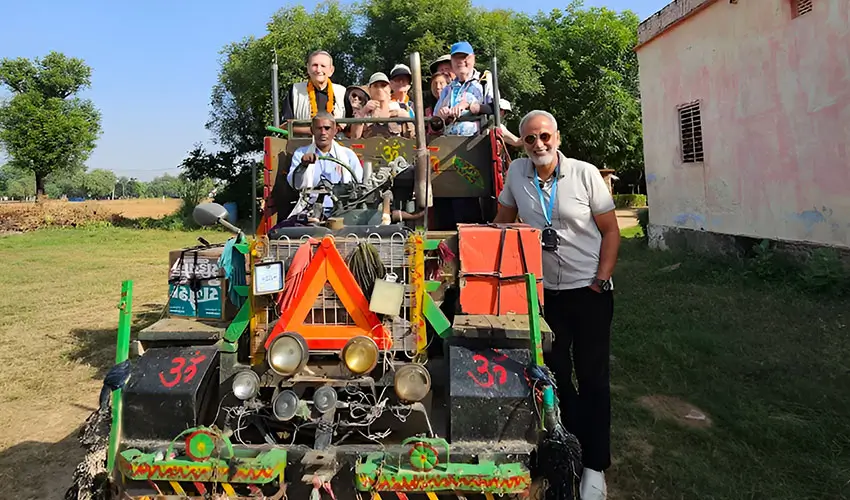
Brightly painted trucks carrying colorful artwork, motorcycles transporting entire families, auto-rickshaws weaving through traffic, roadside fruit sellers, flower markets, decorated temples, wandering cows, and unexpectedly friendly waves from local children quickly capture their attention.
Many parents expect long road journeys to become boring.
The opposite often happens.
Children remain glued to the windows, constantly pointing at something new every few minutes.
One moment they notice monkeys climbing walls.
The next they spot camels walking beside highways in Rajasthan.
Soon afterward they ask why elephants appear outside temples or how colorful turbans are tied.
Unlike adults who often compare destinations to places they have already visited, children approach every experience with complete curiosity. They do not worry about whether one monument is larger than another or whether a palace is older than expected. They simply enjoy seeing something entirely new.
Hotels also create unexpected excitement.
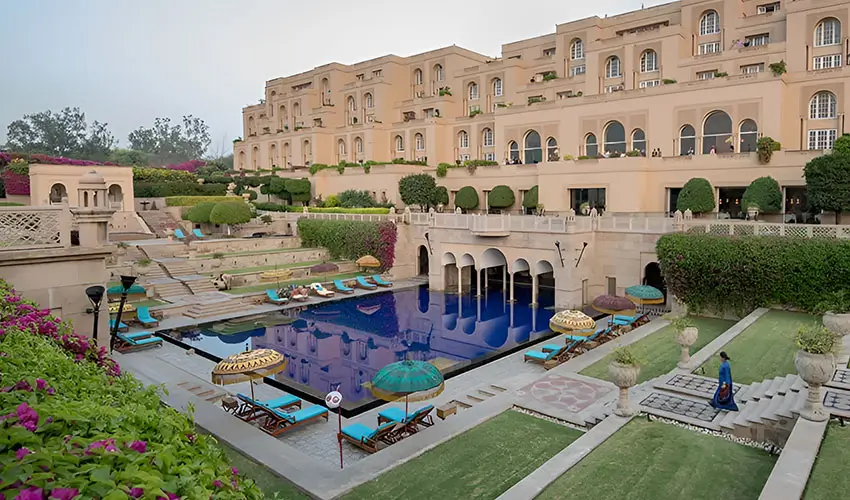
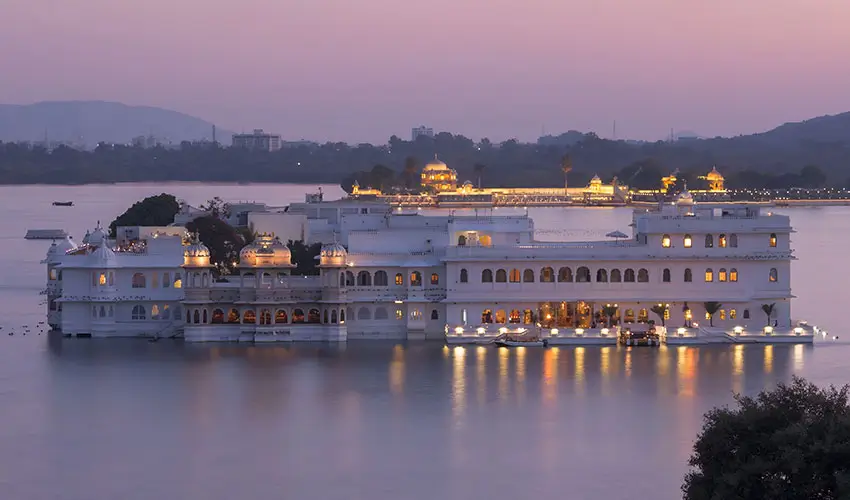
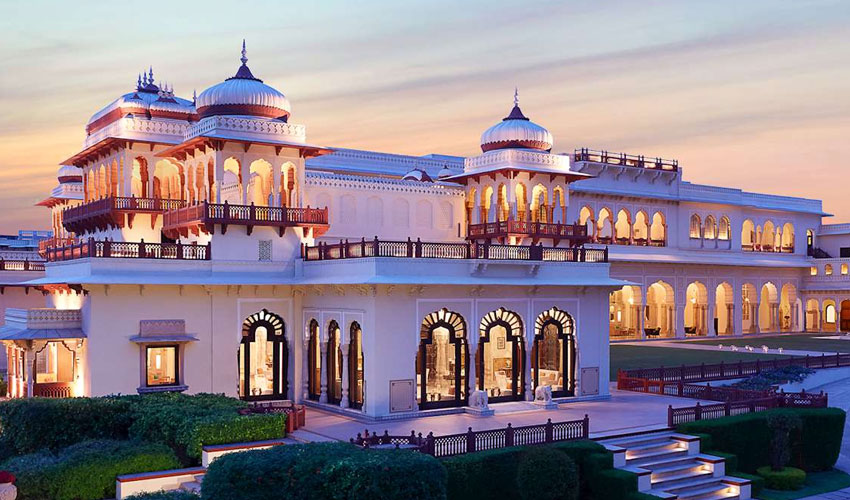
Luxury heritage properties frequently resemble castles from fairy tales. Grand staircases, enormous courtyards, fountains, beautifully decorated gardens, antique furniture, musicians welcoming guests, and staff dressed in traditional clothing immediately make children feel they have entered a storybook rather than an ordinary hotel.
Many families discover that the hotel itself becomes an attraction.
Swimming pools overlooking historic forts, evening cultural performances, puppet shows, traditional music, cooking demonstrations, and spacious gardens provide entertainment long after daily sightseeing has ended.
Even simple interactions remain memorable.
Hotel staff often greet children personally, remember their names, prepare child-friendly meals, and happily answer endless questions. These small gestures frequently become some of the strongest memories children carry home.
The first evening usually brings another surprise.
Parents expect children to be exhausted after an international flight.
Instead, many remain excited, talking continuously about everything they observed during the drive from the airport and asking what tomorrow's adventure will include.
That sense of curiosity often continues throughout the entire journey, making every new destination feel like another chapter in a much larger adventure.
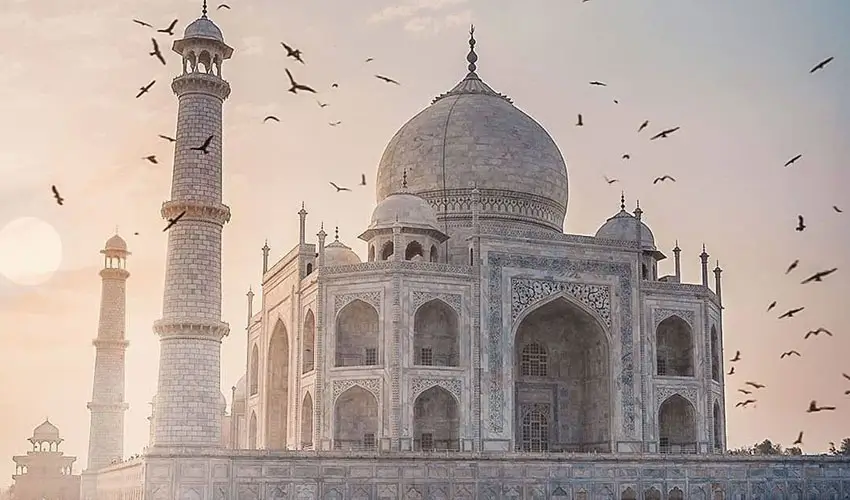
Ask most parents about their favorite monument in India, and they will often mention the Taj Mahal, Amber Fort, City Palace, or another famous landmark. Ask their children about the same trip, and the answers are usually very different.
Many children remember the animals before they remember the monuments.
A safari in Ranthambore National Park often becomes the most exciting day of the vacation. Sitting quietly inside an open safari vehicle while searching for a tiger feels like a real-life adventure rather than sightseeing. Even when a tiger does not appear, children become fascinated by deer, monkeys, crocodiles, colorful birds, peacocks, langurs, and the excitement of tracking wildlife through the forest.
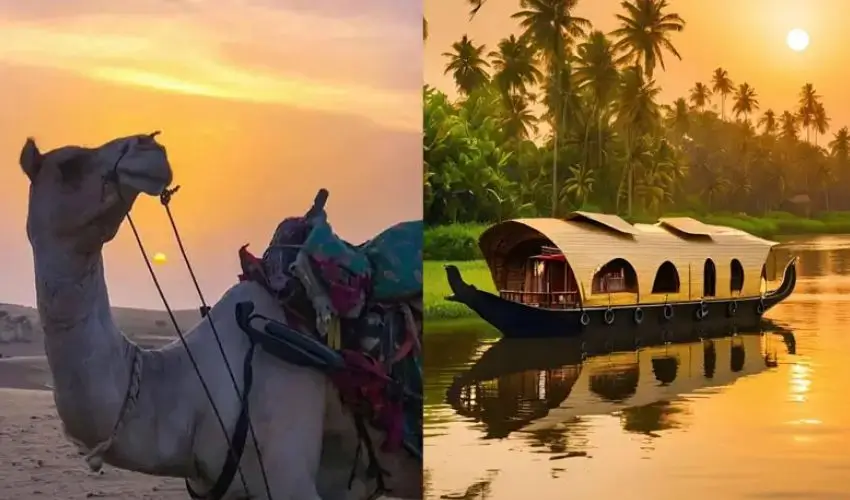
In Rajasthan, camels usually create another unforgettable memory. Seeing camel carts on village roads or enjoying a short camel ride in the desert introduces many children to an animal they have only seen in books.
Elephants leave an equally strong impression. Whether spotted near temples in South India or during ethical elephant experiences arranged by responsible operators, children are naturally fascinated by their size, intelligence, and gentle behavior.
Monkeys often provide the funniest stories.
Parents may carefully photograph historic temples while children quietly watch monkeys climbing rooftops, jumping between trees, or stealing fruit from one another. These simple moments frequently become family stories that continue long after the holiday has ended.
Historic forts also appear completely different through a child's imagination.
Adults admire architecture, history, and craftsmanship.
Children imagine castles.
Walking through giant gateways, climbing ancient staircases, standing on defensive walls, entering royal courtyards, and exploring hidden passages allows them to invent stories about kings, queens, brave soldiers, and ancient battles. History suddenly becomes something they can physically experience rather than simply read about.
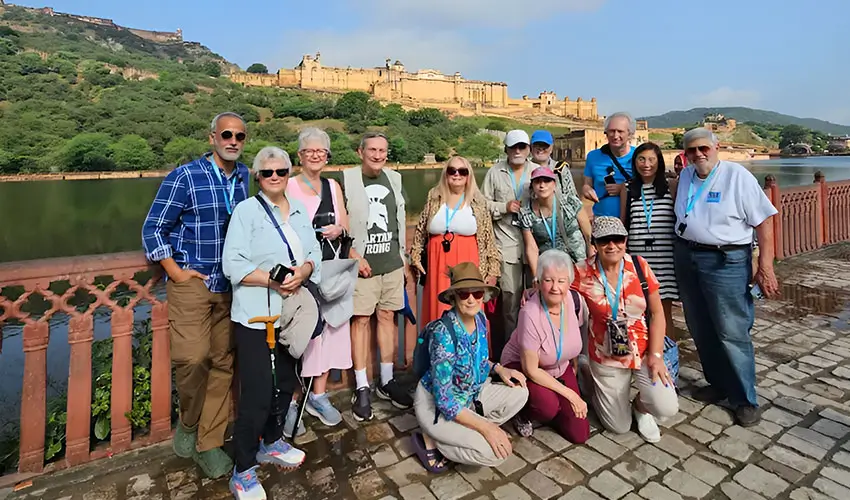
The Amber Fort in Jaipur, Mehrangarh Fort in Jodhpur, and the magnificent City Palace in Udaipur often feel more like enormous adventure playgrounds than museums.
Parents frequently notice something unexpected during these visits.
Children ask questions adults rarely consider.
Who lived here?
Where did the king sleep?
How did people bring water into the fort?
Did children play inside these palaces?
Those conversations naturally transform sightseeing into learning without anyone feeling they are attending a history lesson.
Even simple activities become memorable.
Watching traditional puppet performances.
Learning a few Hindi greetings from a local guide.
Trying to balance a colorful Rajasthani turban.
Flying a kite with local children.
Watching craftsmen carve marble or paint miniature artwork.
These experiences remain vivid because children actively participate instead of only observing.
Parents often worry about food before visiting India with young children.
Surprisingly, many families discover that children adapt much faster than expected.
Luxury hotels and family-friendly restaurants usually prepare familiar international dishes alongside Indian cuisine, allowing children to gradually experiment without feeling pressured.
Fresh naan bread often becomes an immediate favorite.
Butter chicken, mild paneer dishes, fresh fruit, rice, yogurt, grilled vegetables, pancakes, pasta, and freshly prepared juices provide comfortable options throughout the trip.
Many children become fascinated by fresh tropical fruits that rarely appear at home.
Mangoes, pomegranates, papayas, coconuts, lychees, bananas, guavas, and sugarcane juice often become part of daily conversations.
Parents also discover how naturally children connect with local people.
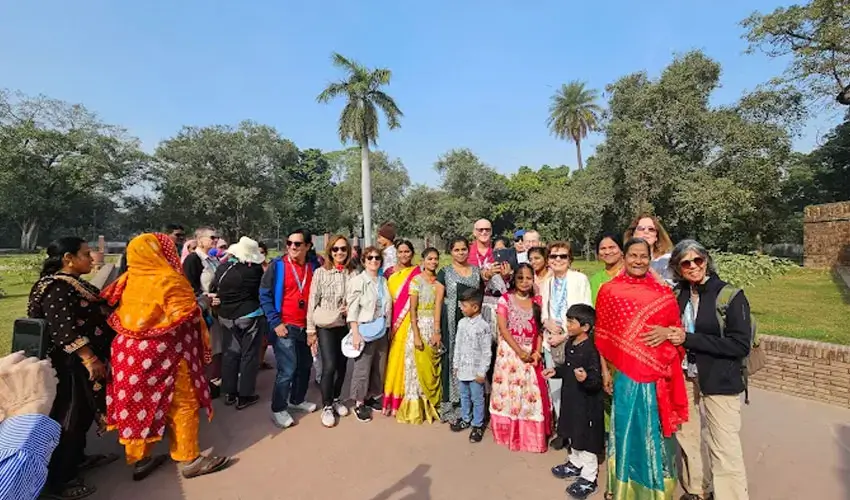
In many parts of India, families warmly welcome young visitors. Shopkeepers smile, local children wave from school buses, restaurant staff remember favorite meals, and hotel employees happily answer endless questions.
Language rarely becomes a barrier.
Children communicate through smiles, laughter, games, and curiosity long before they worry about vocabulary.
Many parents describe these brief interactions as one of the most meaningful parts of the journey because they allow children to experience genuine hospitality rather than simply visiting tourist attractions.
Long drives between destinations create another unexpected benefit.
Instead of becoming bored, children often invent games while watching villages pass by.
They count camels.
They search for peacocks.
They guess which color the next truck will be.
They compete to spot monkeys before anyone else.
These simple activities transform travel time into entertainment without relying entirely on electronic devices.
Parents frequently realize that the slower pace of private luxury tours gives children enough time to observe the surrounding world rather than constantly rushing from one attraction to another.
Many families arrive in India expecting to teach their children something about another culture.
By the end of the vacation, parents often feel they learned just as much themselves.
Children approach every day without comparing it to home.
They rarely worry about whether a hotel is larger than another one or whether a monument is famous enough to justify the visit.
Instead, they become excited by unexpected discoveries.
A colorful kite floating above Jaipur.
A peacock walking across a palace garden.
A tiny puppy sleeping beside a tea stall.
Fresh flower garlands hanging outside temples.
Musicians performing in hotel courtyards.
Rain arriving suddenly over Kerala's backwaters.
These ordinary moments become extraordinary because children pay attention to details adults often overlook.
Parents also notice how easily children adapt.
A new language becomes interesting rather than confusing.
Different food becomes an adventure instead of a concern.
Long journeys become opportunities for observation.
Ancient history becomes real because they can touch palace walls, climb historic forts, and imagine life hundreds of years ago.
Luxury family travel makes this experience even more comfortable.
Private vehicles allow flexible schedules.
Children can stop whenever they need a short break.
Hotels provide spacious rooms, swimming pools, gardens, early dinners, and quiet places to relax after busy sightseeing days.
Guides naturally adjust explanations according to children's ages, keeping everyone engaged without overwhelming younger travelers with unnecessary historical detail.
For many international families, India becomes more than another destination on a travel list.
It becomes a place where children develop confidence, curiosity, patience, and respect for different cultures while creating memories that remain vivid for years.
Years later, they may not remember every historical date connected to a fort or palace.
They will remember feeding pigeons outside a temple.
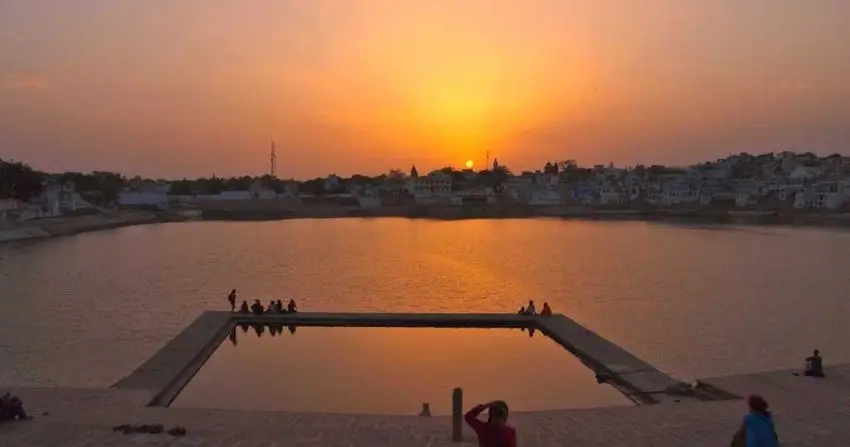
Watching the sunrise over a lake.
Listening to drums during a cultural performance.
Hearing peacocks calling from a palace garden.
Spotting a tiger through the trees.
Sharing smiles with children they met in another country.
Those are often the moments that define a family journey through India.
Enquire now and connect with a dedicated Travel Expert who will respond within 24 hours to begin crafting your private journey.

Dev
Travel Expert
12+ yrs experience

Have a look at our original experiences and then contact us with your questions, or call +91-9351360903

Our Experts will send you a detailed holiday itinerary specified to your desires. It's our service promise to you.

Tailor-made doesn't mean expensive! Ask about our price promise and book with financial security.
Jaipur, Udaipur, Agra, Ranthambore, Kerala, and Goa are among the most popular destinations for family vacations.
Yes. Most luxury hotels provide spacious family rooms, children's menus, swimming pools, gardens, and personalized service for younger guests.
Yes. Hotels and quality restaurants offer both international cuisine and mild Indian dishes suitable for young travelers.
Many do. Large forts often feel like castles, making history much more exciting than traditional museums.
Yes. Guided safaris inside national parks follow strict safety regulations and are popular family activities.
A private vehicle offers greater flexibility, comfort, and convenience for families traveling with children.
Animals, colorful streets, friendly local people, royal palaces, traditional performances, and India's incredible variety are among the most common surprises.
Around 10–14 days provides enough time to enjoy multiple destinations without rushing.
For many families, India becomes one of the most memorable international vacations because children experience history, wildlife, culture, and everyday life in a highly interactive and engaging way.
Yes. With a well-planned itinerary, private transportation, and family-friendly hotels, India offers an excellent experience for children of all ages.