Royal Palace Stays in India
17 Sep 2025
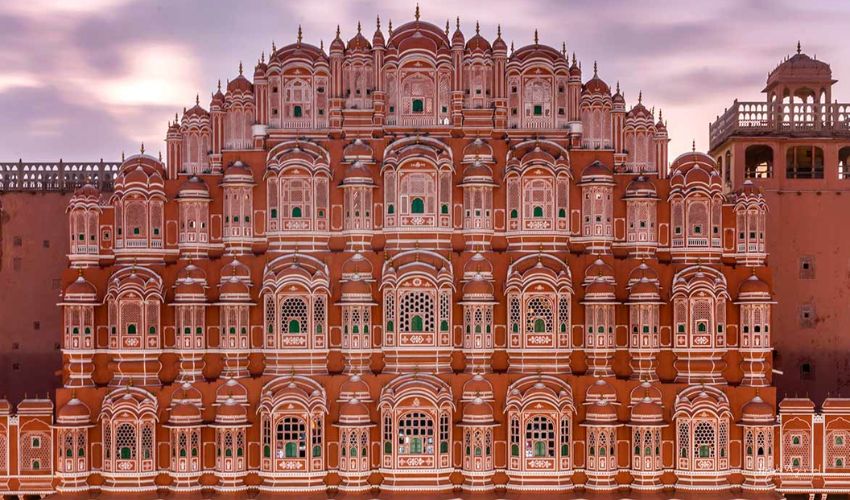
Every traveler preparing for a vacation in India eventually comes across two itineraries that appear repeatedly in travel recommendations. The first is the famous Golden Triangle Tour, connecting Delhi, Agra, and Jaipur. The second is the much larger Rajasthan Full Circuit, extending beyond Jaipur to include royal cities such as Jodhpur, Udaipur, Jaisalmer, Bikaner, Ranthambore, Pushkar, and several remarkable heritage destinations.
At first glance, these tours may seem quite similar because Jaipur appears in both itineraries. After looking more closely, however, it becomes clear that they offer two very different introductions to India. One focuses on the country's most iconic landmarks within a manageable timeframe, while the other provides a far deeper understanding of Rajasthan's royal heritage, desert landscapes, wildlife, traditional culture, and historic architecture.
Choosing between these two journeys is not about deciding which itinerary is better. Both remain among India's most requested private luxury tours, attracting international visitors throughout the year. The more important question involves understanding which itinerary matches your available time, travel style, personal interests, and expectations.
Some visitors are traveling to India for the first time and have only one week available. Others may have two or three weeks and prefer a slower pace that allows meaningful time in each destination. Photography enthusiasts often look for dramatic landscapes and architectural variety. Wildlife lovers may wish to include tiger safaris. Couples frequently seek romantic heritage hotels, while families often look for a balance between sightseeing and comfortable travel days.
The distance covered also differs considerably. The Golden Triangle Tour remains relatively compact, making road journeys shorter and daily schedules easier to manage. The Rajasthan Full Circuit covers a much larger geographical area, introducing travelers to desert cities, lakeside palaces, remote forts, camel country, national parks, and traditional villages spread across one of India's largest states.
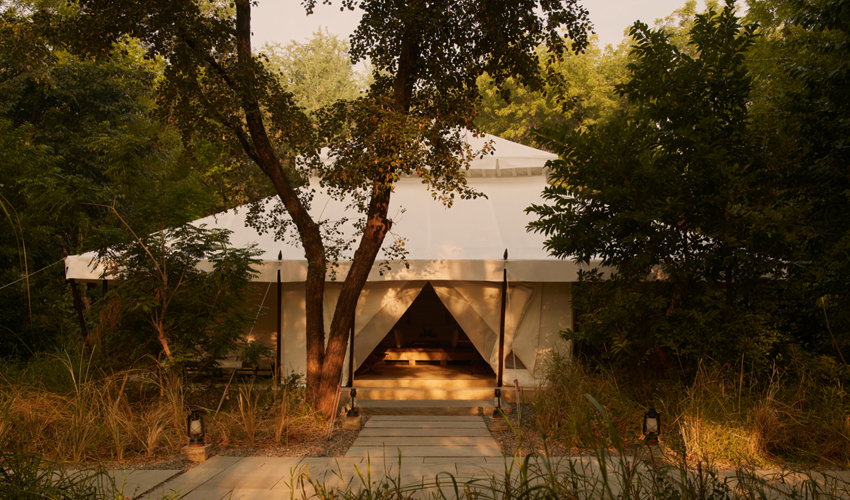
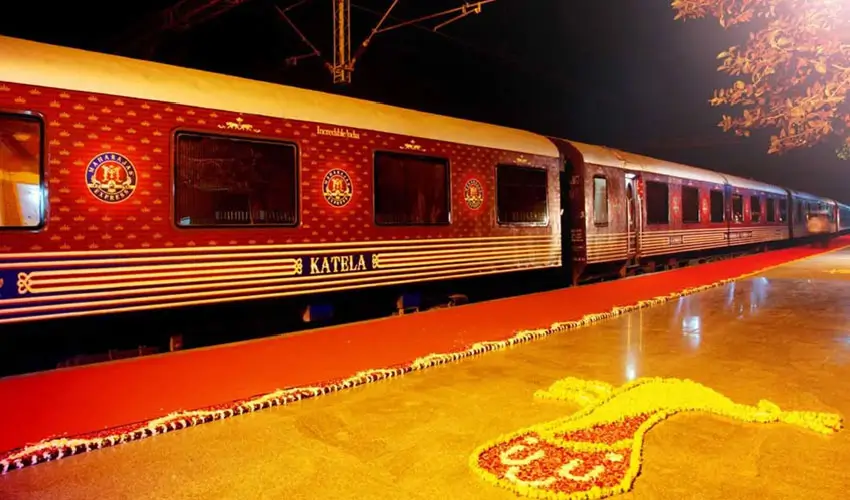
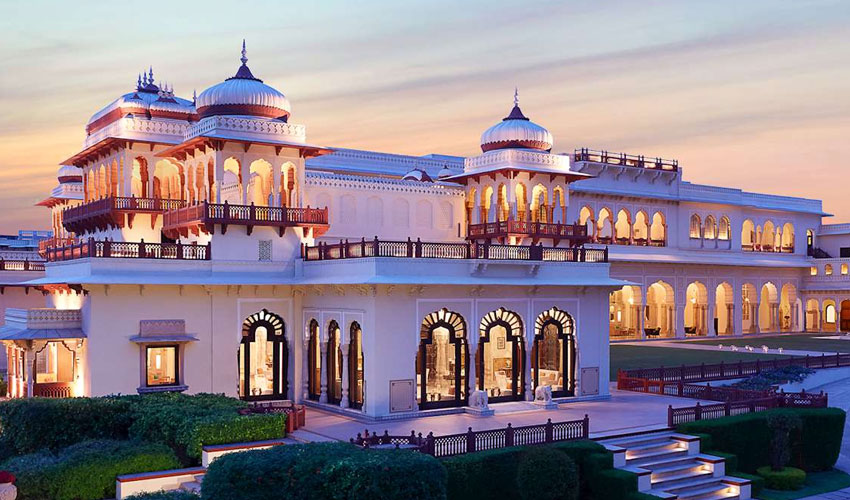
Luxury accommodation plays another important role in the decision. While both itineraries include outstanding hotels, the Rajasthan circuit introduces visitors to a wider collection of heritage palaces, royal residences, boutique forts, desert camps, and lakeside properties that create an especially memorable hospitality experience.
Rather than relying on popularity alone, comparing these itineraries from a practical perspective helps travelers make a confident decision before booking. Understanding sightseeing opportunities, driving distances, hotel styles, wildlife experiences, photography, cultural immersion, and overall travel pace ensures that the chosen itinerary reflects individual expectations instead of simply following the most common recommendation.
The greatest difference between these two itineraries becomes obvious by simply looking at the destinations they include. Although both journeys begin with India's remarkable heritage, the overall experience changes significantly after Jaipur.
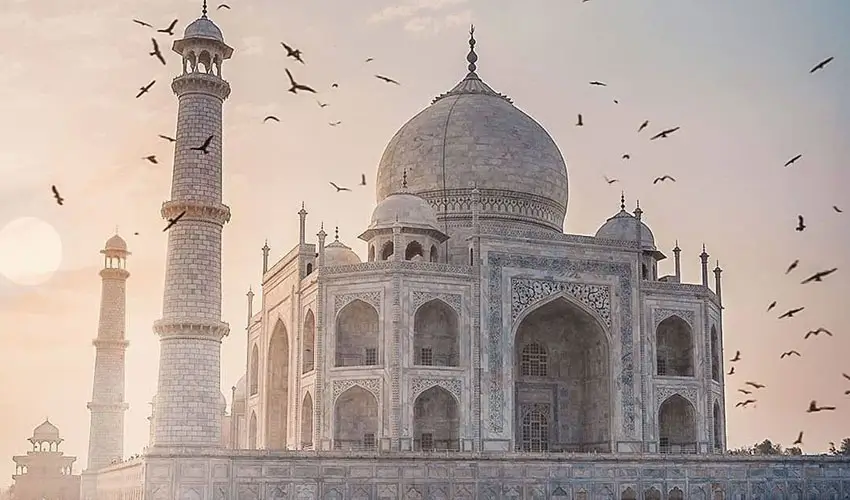
The Golden Triangle Tour connects three of India's most famous cities—Delhi, Agra, and Jaipur. Each destination represents a different chapter of Indian history. Delhi introduces visitors to the country's capital through Mughal monuments, colonial architecture, vibrant markets, temples, museums, and modern city life. Agra presents the world-famous Taj Mahal, Agra Fort, and the remarkable Mughal heritage that attracts millions of international visitors each year. Jaipur completes the triangle with magnificent forts, royal palaces, astronomical observatories, colorful bazaars, artisan workshops, and traditional Rajasthani culture.
Because the route remains relatively compact, travelers spend more time exploring attractions than sitting inside vehicles. Daily driving distances are comfortable, making the itinerary especially suitable for first-time visitors, families, senior travelers, and anyone wishing to experience India's highlights within a limited vacation.
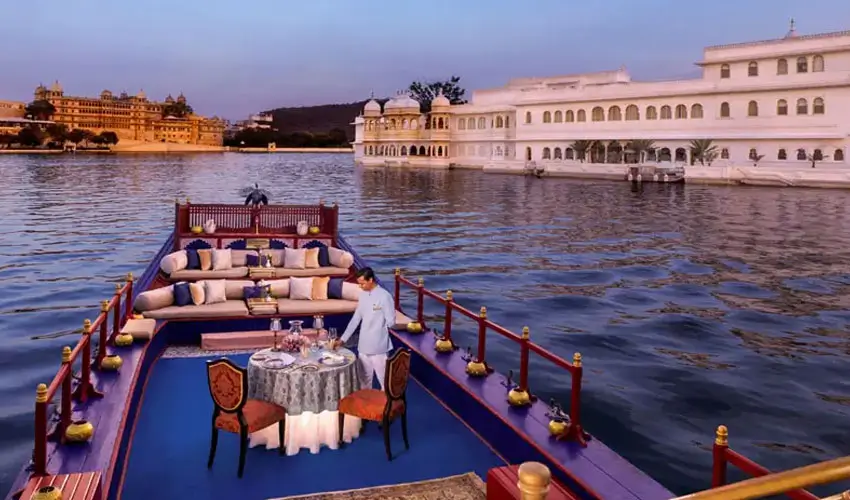
The Rajasthan Full Circuit begins similarly but continues far beyond Jaipur. After exploring the Pink City, the journey gradually enters regions where tourism becomes less crowded and cultural experiences become increasingly diverse. Jodhpur introduces the massive Mehrangarh Fort overlooking the famous Blue City. Udaipur replaces desert scenery with romantic lakes, marble palaces, elegant gardens, and peaceful boat cruises. Jaisalmer offers golden sandstone architecture rising dramatically from the Thar Desert, while Bikaner preserves impressive forts, camel heritage, and beautifully decorated havelis.
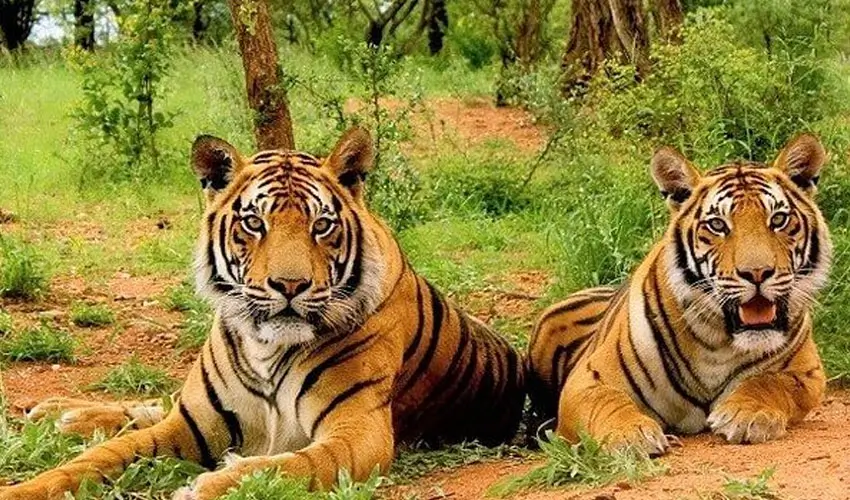
Many full-circuit itineraries also include Ranthambore National Park, allowing travelers to combine royal heritage with tiger safaris and wildlife photography. Pushkar contributes spiritual traditions surrounding its sacred lake and famous Brahma Temple, while smaller heritage towns introduce visitors to local craftsmanship, marble carving, textile production, pottery, and village life rarely experienced on shorter itineraries.
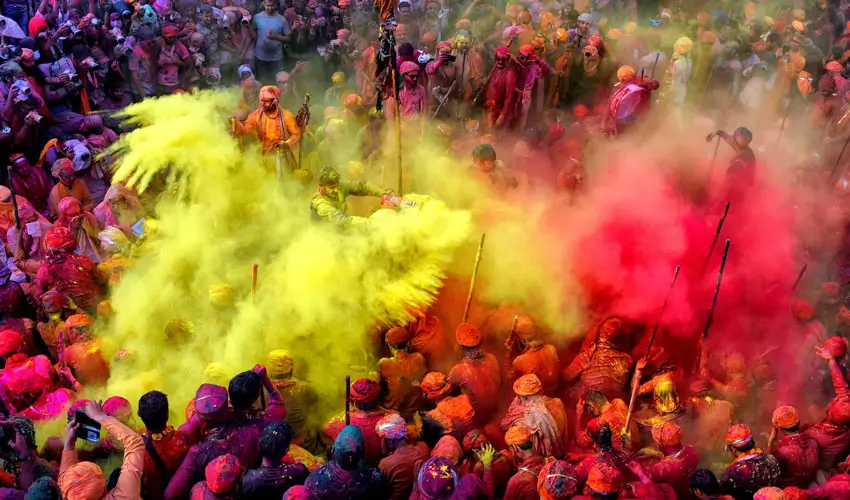
The atmosphere changes noticeably throughout the journey. Instead of moving quickly between three major cities, visitors witness Rajasthan's regional diversity unfold gradually. Desert landscapes replace urban skylines, traditional villages appear between historic forts, local festivals occasionally enrich the itinerary, and heritage hotels become attractions in their own right.
Travelers who enjoy understanding local culture beyond famous monuments generally appreciate this broader perspective. Every city presents different architecture, regional cuisine, traditional clothing, handicrafts, and historical influences, making the journey feel like a collection of unique destinations rather than one continuous sightseeing program.
By the time visitors complete the Rajasthan circuit, they often feel they have experienced not only famous landmarks but also the everyday rhythm of one of India's most culturally significant regions.
The amount of time available for your vacation often becomes the deciding factor when choosing between the Golden Triangle Tour and the Rajasthan Full Circuit. Both itineraries can be customized, but each follows a very different rhythm once the journey begins.
The Golden Triangle Tour is designed for travelers who want to experience India's most recognizable landmarks without spending several weeks on the road. Most luxury itineraries range from 6 to 8 days, although many international visitors extend the trip to 9 or 10 days by including destinations such as Ranthambore National Park, Fatehpur Sikri, or Bharatpur Bird Sanctuary.
Road journeys remain comfortable because the three cities are connected by modern highways. The drive from Delhi to Agra generally takes around 3.5 to 4 hours, while Agra to Jaipur via Fatehpur Sikri usually requires approximately 5 hours, depending on sightseeing stops and traffic conditions. Jaipur to Delhi takes around 5 to 6 hours by private vehicle.
These shorter driving days leave plenty of time for sightseeing, photography, shopping, and relaxing at luxury hotels. Visitors rarely feel rushed because the itinerary balances travel with exploration.
The Rajasthan Full Circuit requires considerably more time. A well-paced luxury itinerary generally lasts 12 to 16 days, while travelers wishing to include additional wildlife safaris, desert experiences, heritage villages, or slower stays often spend 18 to 21 days exploring Rajasthan comfortably.
Driving distances naturally become longer because Rajasthan is India's largest state by area. A journey from Jaipur to Jodhpur may take approximately 6 hours, Jodhpur to Udaipur around 5 to 6 hours, and Udaipur to Jaisalmer considerably longer unless an overnight stop is included.
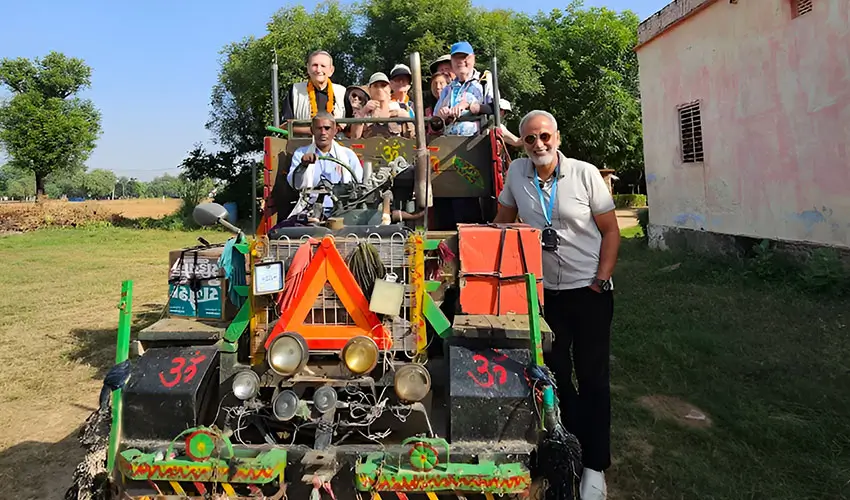
Rather than treating these road journeys as time lost, many travelers consider them an important part of the experience. Rajasthan's highways pass traditional villages, camel caravans, marble workshops, roadside temples, local markets, agricultural communities, and changing desert landscapes that reveal everyday life beyond the major cities.
Private luxury tours also include regular comfort breaks at carefully selected restaurants, cafés, heritage properties, and scenic viewpoints. Travelers can stop whenever they wish to photograph village life, observe local craftsmen, or simply enjoy the changing scenery.
The overall pace differs significantly between the two itineraries. The Golden Triangle feels energetic, introducing visitors to famous monuments efficiently while maintaining comfortable travel days. Rajasthan follows a slower progression, allowing each city to reveal its own identity before moving onward.
For travelers with limited annual vacation time, the Golden Triangle often provides an excellent first introduction to India. Visitors with two weeks or more available frequently appreciate the broader perspective offered by the Rajasthan circuit because it avoids compressing multiple destinations into a rushed schedule.
Luxury accommodation remains one of the strongest reasons many travelers extend their itinerary beyond the traditional Golden Triangle.
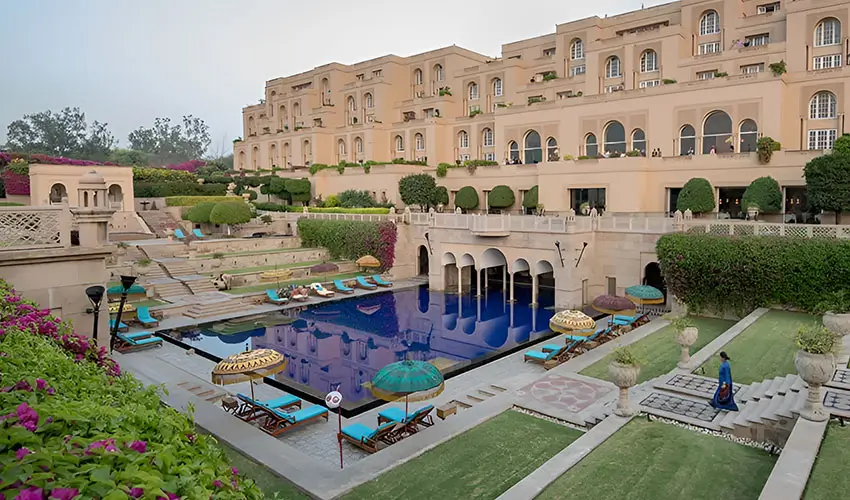
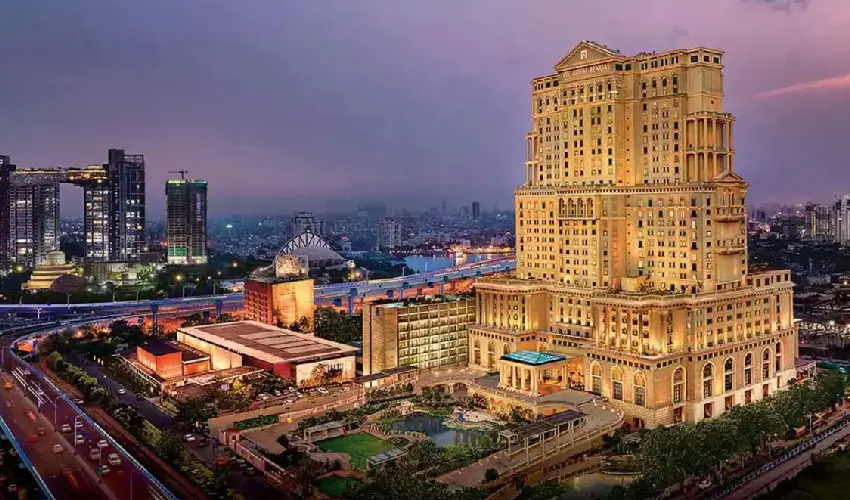
The Golden Triangle already includes exceptional hotels. Delhi offers internationally recognized luxury brands, Agra provides elegant riverside properties overlooking the Taj Mahal, and Jaipur is home to magnificent palace hotels where guests experience royal hospitality within historic surroundings.
For many visitors, staying inside a palace in Jaipur becomes one of the highlights of the entire vacation. Beautiful courtyards, traditional architecture, antique furnishings, candlelit dinners, and personalized service create an atmosphere that reflects Rajasthan's royal heritage.
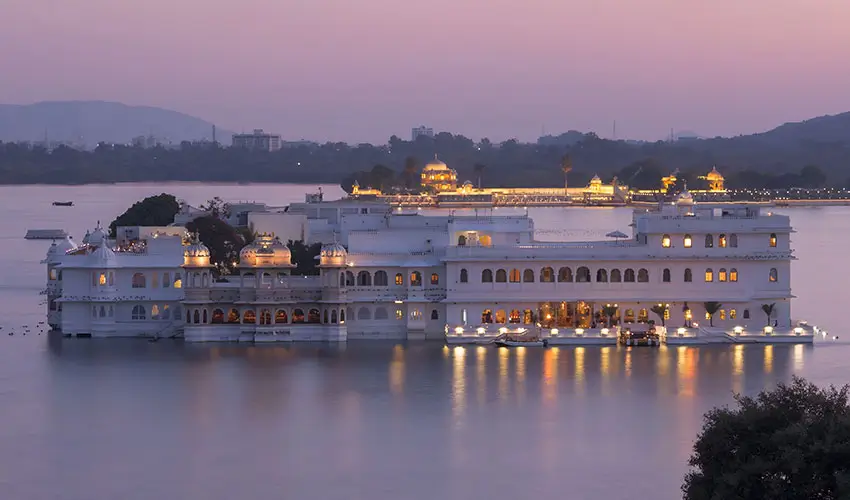
The Rajasthan Full Circuit, however, expands this experience dramatically. Every city introduces a different style of heritage accommodation. Jodhpur features magnificent fort-view properties and restored royal residences. Udaipur presents romantic lakeside palaces and boutique heritage hotels overlooking Lake Pichola. Jaisalmer offers beautifully restored sandstone havelis and luxury desert camps combining traditional architecture with modern comfort. Bikaner preserves elegant palaces reflecting a different chapter of Rajput history.
Instead of repeating similar hotels, travelers experience a completely new architectural style in almost every destination.
Wildlife opportunities also differ between the two itineraries.
A standard Golden Triangle itinerary does not automatically include wildlife, although many luxury travelers extend their journey by adding Ranthambore National Park between Agra and Jaipur. This addition provides excellent opportunities to photograph the Royal Bengal Tiger, leopards, sloth bears, crocodiles, sambar deer, spotted deer, and numerous bird species.
The Rajasthan Full Circuit allows greater flexibility for wildlife enthusiasts. Travelers can include multiple safaris, spend additional nights inside national parks, or combine tiger reserves with lesser-known wildlife destinations throughout Rajasthan.
Cultural diversity also becomes much richer on the longer circuit.
Delhi represents India's modern capital with layers of Mughal and colonial history. Agra focuses largely on Mughal architecture, while Jaipur introduces Rajput heritage.
Beyond Jaipur, however, Rajasthan reveals entirely different cultural identities. Jodhpur reflects the traditions of the Marwar region. Udaipur showcases Mewar heritage. Jaisalmer preserves desert culture influenced by historic trade routes, while Pushkar presents an important spiritual center surrounding its sacred lake.
Local cuisine changes from city to city, traditional clothing styles vary, regional festivals differ, and handicrafts become increasingly specialized. Visitors interested in textiles, miniature paintings, marble carving, leatherwork, jewelry, pottery, and block printing gain opportunities to observe artisans working in regions where these crafts have been practiced for centuries.
The longer itinerary therefore offers not simply more destinations, but significantly greater cultural variety throughout the journey.
Photography enthusiasts often ask which itinerary provides more rewarding opportunities.
The answer depends upon personal interests.
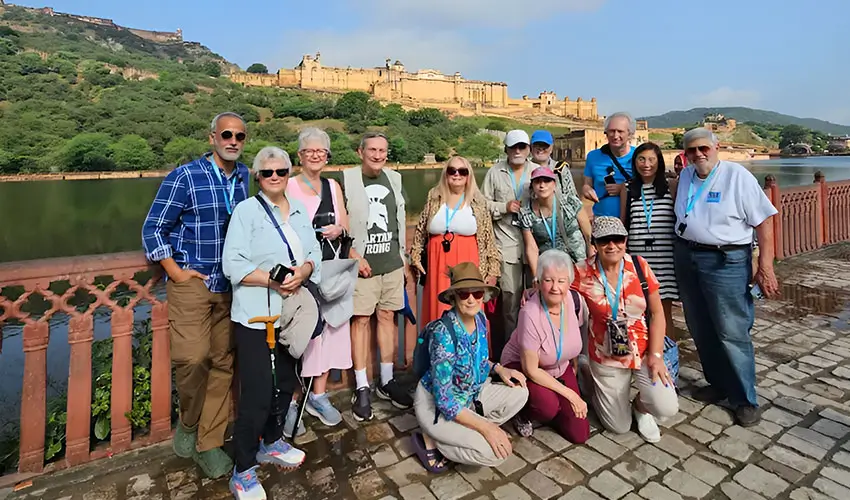
The Golden Triangle Tour includes many of India's most photographed landmarks. The Taj Mahal at sunrise, Amber Fort overlooking Jaipur, Humayun's Tomb, Qutub Minar, India Gate, Jama Masjid, and City Palace create an outstanding collection of architectural subjects within a relatively short journey.
Street photography also flourishes in Old Delhi, Jaipur's colorful bazaars, and Agra's artisan districts.
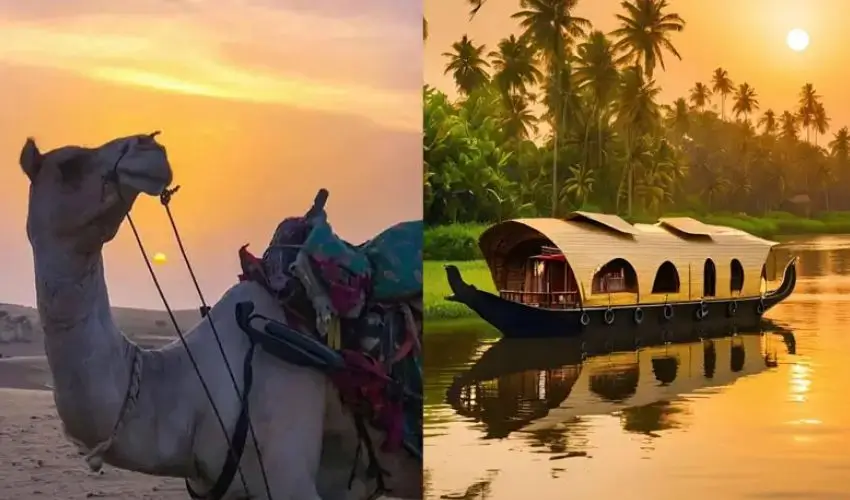
The Rajasthan Full Circuit builds upon these opportunities by introducing dramatic desert landscapes, blue-painted neighborhoods in Jodhpur, romantic lakes in Udaipur, golden sandstone architecture in Jaisalmer, camel caravans, remote forts, village life, and significantly more heritage buildings.
Instead of repeating similar scenes, photographers encounter fresh visual themes throughout the itinerary.
Budget naturally influences travel decisions as well.
The Golden Triangle generally costs less because it covers fewer destinations, requires fewer hotel nights, and involves shorter driving distances. International travelers with limited vacation time often find it delivers excellent value while including India's most famous attractions.
The Rajasthan Full Circuit requires a larger budget because of its longer duration, additional luxury hotels, extended transportation, optional wildlife safaris, and broader sightseeing program. However, travelers frequently consider the additional investment worthwhile because it provides a much deeper understanding of Rajasthan's history, culture, architecture, and daily life.
Rather than asking which itinerary is superior, visitors benefit from considering their available time, preferred pace, travel interests, and overall expectations.
A first-time traveler with one week available will likely find the Golden Triangle Tour perfectly balanced.
Someone seeking royal heritage, slower exploration, luxury palace hotels, wildlife experiences, photography, and a broader understanding of Rajasthan will usually appreciate the Rajasthan Full Circuit much more.
Enquire now and connect with a dedicated Travel Expert who will respond within 24 hours to begin crafting your private journey.

Dev
Travel Expert
12+ yrs experience

Have a look at our original experiences and then contact us with your questions, or call +91-9351360903

Our Experts will send you a detailed holiday itinerary specified to your desires. It's our service promise to you.

Tailor-made doesn't mean expensive! Ask about our price promise and book with financial security.
Yes. The Golden Triangle Tour remains one of India's most popular introductions for international travelers because it includes Delhi, Agra, and Jaipur within a comfortable timeframe.
Most luxury itineraries range between 6 and 8 days, although extending the trip to around 10 days provides a more relaxed experience.
A comfortable itinerary generally requires 12 to 16 days, while extended luxury tours may last 18 to 21 days.
The Rajasthan Full Circuit offers a wider variety of palace hotels, restored forts, boutique heritage properties, and luxury desert accommodations.
Yes. Ranthambore National Park can be added to both itineraries, although longer Rajasthan tours allow greater flexibility for multiple safari experiences.
The Golden Triangle focuses on India's most iconic monuments, while the Rajasthan circuit adds desert landscapes, lakes, villages, forts, wildlife, and regional diversity.
Yes. When arranged with a private chauffeur and comfortable pacing, the itinerary works very well for senior travelers.
The Rajasthan Full Circuit covers significantly longer distances because it includes several additional cities across the state.
Yes. Private luxury tours can be adjusted according to travel dates, preferred hotels, sightseeing interests, wildlife experiences, and overall vacation length.
The Golden Triangle introduces India's most famous landmarks, while the Rajasthan Full Circuit provides a deeper understanding of Rajput history, royal heritage, regional culture, traditional craftsmanship, and desert landscapes.