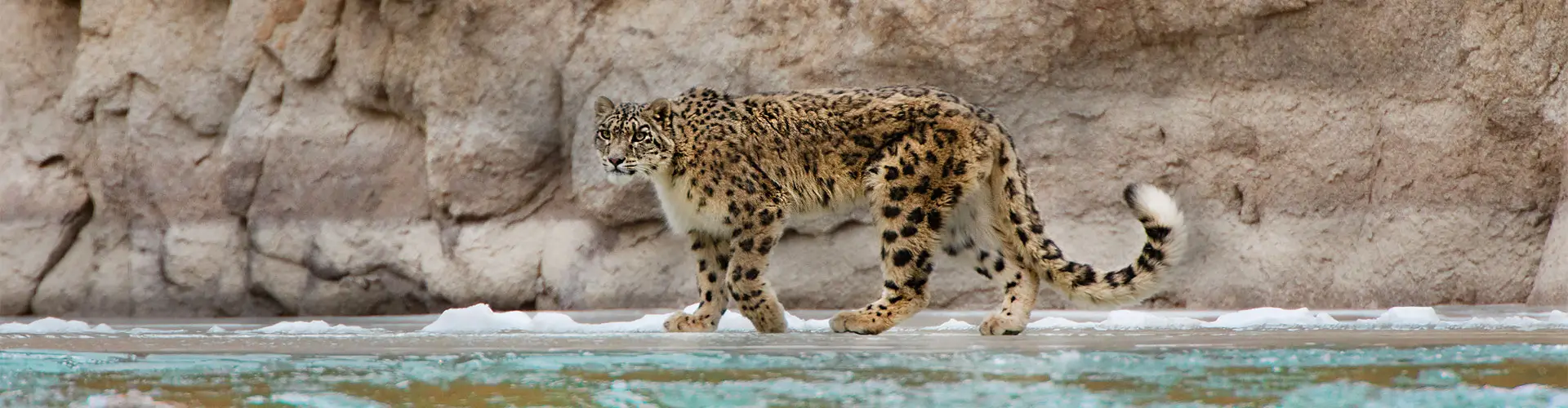
This journey is not a conventional wildlife safari. It is a high-altitude expedition into one of the planet’s most remote ecosystems, where survival depends on adaptation, patience, and respect for nature’s rhythm. The Snow Leopard Quest is designed for travelers who understand that true wildlife encounters are earned through observation rather than expectation.
Hemis National Park forms the core of this experience, a vast alpine wilderness where the elusive snow leopard moves silently across ridgelines and frozen valleys. The itinerary prioritizes acclimatization, physical readiness, and ethical tracking practices. Expert local trackers, many of whom grew up alongside these mountains, guide daily expeditions using traditional knowledge combined with modern conservation methods.
The journey balances challenge with care. Accommodation includes carefully selected camps or village homestays that support local communities and conservation initiatives. Time is structured to respect altitude limits, weather conditions, and wildlife behavior, ensuring safety while maximizing the possibility of meaningful sightings rather than rushed outcomes.
Arrive in Delhi and transfer to your hotel near the international airport. The day is kept intentionally light, allowing recovery from long-haul travel before ascending to high altitude. Delhi serves purely as a logistical gateway rather than a sightseeing stop.
In the evening, a briefing introduces the expedition structure, altitude considerations, and physical expectations. Equipment checks and layering guidance are discussed to ensure readiness for extreme weather conditions in Ladakh.
Fly early morning to Leh, ascending rapidly to an altitude of approximately 3,500 meters. Upon arrival, transfer directly to your hotel and begin strict acclimatization protocol. Physical activity is limited to basic movement within the property.
The remainder of the day is dedicated to rest, hydration, and observation. Breathing patterns, heart rate, and mild altitude symptoms are monitored. The stillness of Leh valley introduces the scale and silence of the Himalayan environment awaiting deeper exploration.
The day includes gentle walking within Leh town to stimulate acclimatization without exertion. A slow visit to Leh Market offers insight into daily mountain life, where supplies, culture, and survival intersect.
Later, visit Shanti Stupa, positioned above the valley. The short ascent provides controlled altitude exposure while offering panoramic views of surrounding mountains. The remainder of the day remains relaxed, reinforcing gradual adaptation rather than ambition.
Drive from Leh toward Hemis National Park, passing through stark mountain terrain shaped by wind, ice, and geological time. The landscape becomes increasingly raw, signaling entry into true predator territory.
Upon arrival at the camp or homestay, meet the tracking team. Local experts outline terrain patterns, prey movement, and weather variables influencing snow leopard behavior. Evening discussions focus on observation strategy rather than pursuit.
Begin the first full day of tracking before sunrise. Using vantage points along ridgelines, trackers scan slopes for movement, paw marks, and behavioral indicators. Observation often involves long hours of stillness rather than physical pursuit.
The environment demands patience. Even without sightings, learning to read terrain, wind direction, and prey behavior forms the foundation of successful tracking. The day concludes with debriefing sessions around shared meals.
Tracking routes adjust based on previous observations. Movement remains slow and deliberate, with frequent pauses to observe distant cliffs using spotting scopes. Communication among trackers relies on subtle cues rather than constant motion.
This day often offers the clearest understanding of snow leopard ecology. Guides explain how the predator uses camouflage, elevation, and time of day to remain invisible. The experience emphasizes learning as much as sighting.
The focus shifts toward understanding the ecosystem supporting snow leopards. Observation includes blue sheep herds, ibex movement, and how prey distribution influences predator presence.
Extended stationary sessions allow for extended scanning. Even brief sightings, often distant silhouettes against snowfields, are treated with respect rather than pursuit. The day reinforces the reality of wildlife tracking as discipline rather than spectacle.
Alongside tracking, the day includes interaction with local conservation initiatives. Discussions explore how community-led programs reduce human–wildlife conflict while protecting predator populations.
Understanding the role of homestays, compensation schemes, and education deepens appreciation for sustainable conservation. The expedition becomes not only about sighting a rare animal, but about protecting its future.
Depart Hemis and return to Leh, descending gradually from the high-altitude environment. The transition offers time to reflect on the physical and mental demands of the expedition.
The afternoon is reserved for rest and image review if photography was part of the experience. Evening discussions consolidate learning, focusing on interpretation rather than success metrics.
Fly from Leh to Delhi in the morning. A day-use hotel room is provided near the airport to allow rest, refreshment, and repacking before international departure.
The journey concludes with a deeper understanding of wilderness travel, where success is measured not only by sightings, but by respect for landscape, wildlife, and endurance.
Enquire now and connect with a dedicated Travel Expert who will respond within 24 hours to begin crafting your private journey.

Dev
Travel Expert
12+ yrs experience

Have a look at our original experiences and then contact us with your questions, or call +91-9351360903

Our Experts will send you a detailed holiday itinerary specified to your desires. It's our service promise to you.

Tailor-made doesn't mean expensive! Ask about our price promise and book with financial security.
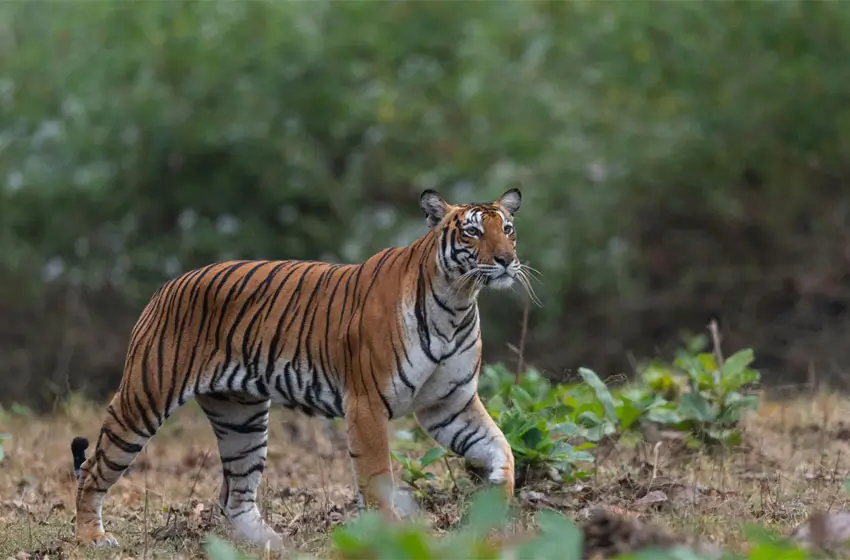
Bangalore - Hampi - Nagarhole - Coorg - Bylakuppe - Bangalore
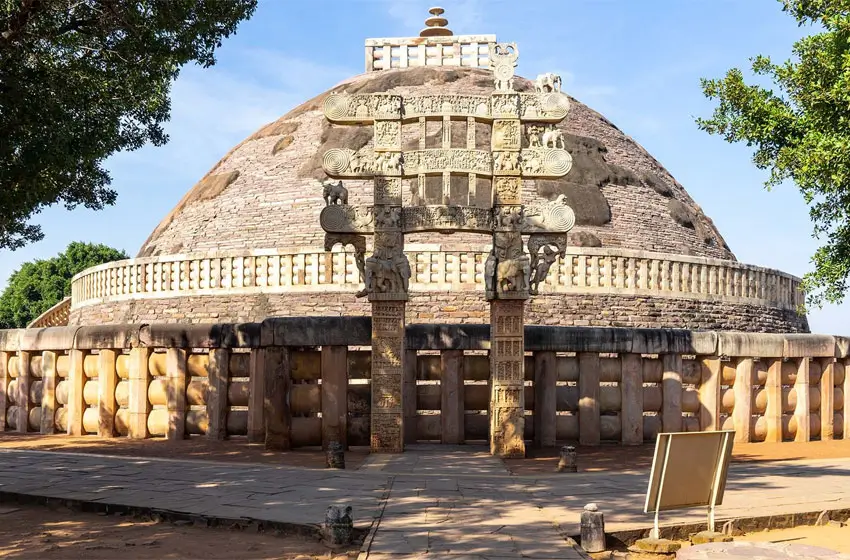
Mumbai - Aurangabad - Bhopal - Gwalior - Mumbai

Ahmedabad - Patan - Rann of Kutch - Dholavira - Ahmedabad
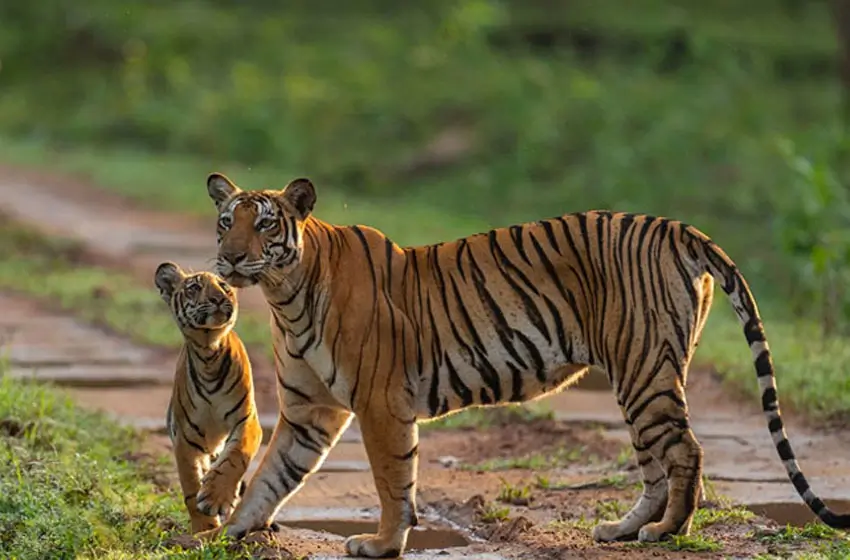
Bangalore - Hampi - Nagarhole - Coorg - Bylakuppe - Bangalore

Chennai - Mahabalipuram - Kanchipuram - Thanjavur - Madurai - Pondicherry - Chennai