
Western India’s identity has been shaped by salt, trade, and resilience. This journey traces how desert landscapes, seasonal migration, and artisanal skill formed a culture that values patience, repetition, and adaptation. Rather than rushing between highlights, the route is designed to linger, allowing the land and its people to speak gradually.
From Ahmedabad’s historic urban fabric to the vast emptiness of Kutch’s borderlands, the itinerary emphasizes walking, conversation, and participation. Craft traditions such as Ajrakh printing, handloom weaving, pottery, and mud architecture are approached as living systems sustained by families rather than performances staged for visitors.
This experience is intended for thoughtful travelers who value authenticity over comfort-driven tourism. Accommodation includes heritage properties and traditional Bhungas that reflect regional building wisdom. Every stage respects environmental limits, community rhythms, and the dignity of artisanal labor.
Arrive in Ahmedabad and transfer to your hotel. The city introduces itself through scale rather than spectacle, where daily life unfolds within dense neighborhoods shaped by centuries of trade and community living. The first day is kept intentionally light to allow acclimatization to climate and rhythm.
In the evening, a gentle orientation walk introduces the Sabarmati River’s role in shaping settlement patterns. Discussions focus on Gujarat’s mercantile culture and how textile trade established Ahmedabad as one of India’s most influential craft cities.
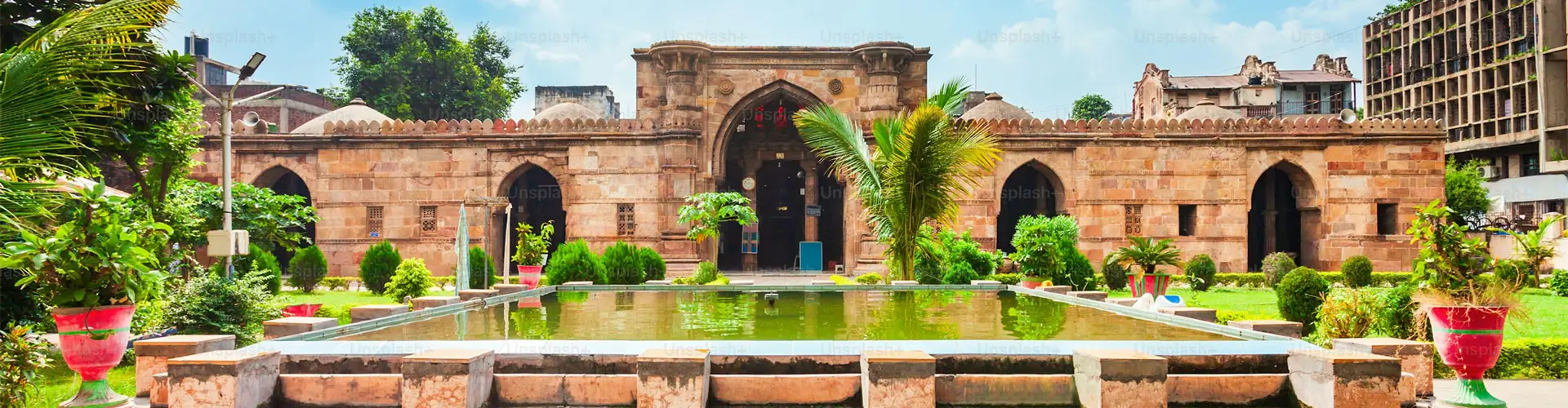
Begin the day with a walking exploration of Ahmedabad’s UNESCO World Heritage old city. Narrow pols, carved wooden houses, and shared courtyards reveal a sophisticated urban design built around social cohesion and climate response.
Later, visit the Calico Museum of Textiles, one of the world’s most important textile collections. The guided experience provides context for weaving, dyeing, and printing traditions you will encounter later in Kutch. The afternoon remains unhurried, allowing time for reflection rather than overload.
Depart Ahmedabad and begin the scenic drive toward Bhuj. The seven-hour journey gradually shifts from fertile plains to semi-arid terrain, revealing the geological and cultural transition into Kutch.
Arrival in Bhuj brings a noticeable change in pace. After check-in at a heritage property, the evening is reserved for rest. Conversations preview Kutch’s craft clusters and the environmental conditions that shaped their techniques.
Travel to Ajrakhpur, home to master Ajrakh printers. The day focuses on understanding process rather than output. Observe how fabric preparation, resist application, and natural dyeing unfold over multiple stages.
Rather than watching from a distance, sit alongside artisans as they work. Conversations reveal how symmetry, patience, and repetition define Ajrakh’s identity. Lunch is shared with a printing family, offering insight into how craft and domestic life remain intertwined.
Visit Bhujodi village, where weaving forms the backbone of community life. Looms operate inside homes, setting a steady rhythm that shapes daily routine. The focus is on observing structure, yarn tension, and pattern discipline rather than finished products.
Time is spent seated with weavers, understanding how wool and cotton are adapted for desert climates. A home-cooked lunch reinforces the relationship between craft, sustenance, and continuity. The day concludes quietly, without formal demonstrations.
This day allows deeper immersion rather than additional sites. Return visits to workshops encourage familiarity rather than novelty. Subtle details become clearer with repetition—hand movements, tool wear, and material decisions.
Discussions address challenges facing craft communities, including market pressures and generational change. The emphasis remains on listening rather than questioning, reinforcing respect for lived expertise rather than external interpretation.
Drive north toward Khavda, entering a stark and expansive landscape near the international border. Vegetation thins, and settlements become sparse. The silence of the region becomes a defining feature rather than an absence.
Check into a traditional mud Bhunga, engineered to withstand extreme temperatures. The evening introduces local architectural wisdom, where form follows survival rather than aesthetics. Night skies here are vast and uninterrupted.
Spend the day exploring the Khavda region. Participate in a Harappan-style pottery session, where clay is shaped using ancient techniques rooted in this very soil. The process emphasizes balance and touch over speed.
If traveling seasonally, visit the Flamingo colony, observing migratory patterns shaped by salt flats and wetlands. The experience highlights how wildlife, craft, and human settlement share the same fragile environment.
Take a day trip to Lakhpat, once a thriving port town connected to global trade routes. Today, its stone walls and empty streets stand in silence at the edge of the sea.
Walk through ruined structures and fortifications, reflecting on impermanence and shifting geographies. The visit offers a powerful contrast to the living traditions seen earlier, reinforcing how trade, water, and politics shape survival.
Begin the long drive back to Ahmedabad. The journey allows time to mentally integrate experiences gathered across cities, villages, and desert spaces.
Arrive in Ahmedabad by evening and transfer directly to the international airport for late-night departure. The journey concludes not with accumulation, but with a grounded understanding of western India’s resilience, craft, and silence.
Enquire now and connect with a dedicated Travel Expert who will respond within 24 hours to begin crafting your private journey.

Dev
Travel Expert
12+ yrs experience

Have a look at our original experiences and then contact us with your questions, or call +91-9351360903

Our Experts will send you a detailed holiday itinerary specified to your desires. It's our service promise to you.

Tailor-made doesn't mean expensive! Ask about our price promise and book with financial security.

Mumbai - Udaipur - Jodhpur - Bikaner - Jaipur - Ranthambore - Agra - Delhi

Bangalore - Hampi - Badami - Chikmagalur - Bangalore

Bangalore - Hampi - Nagarhole - Coorg - Bylakuppe - Bangalore
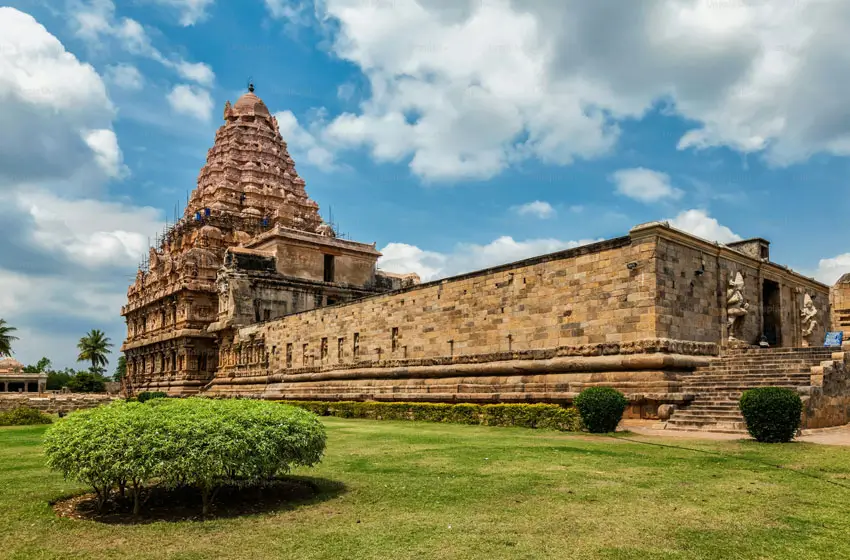
Chennai - Pondicherry - Thanjavur - Chettinad - Madurai - Thekkady - Alleppey - Kochi
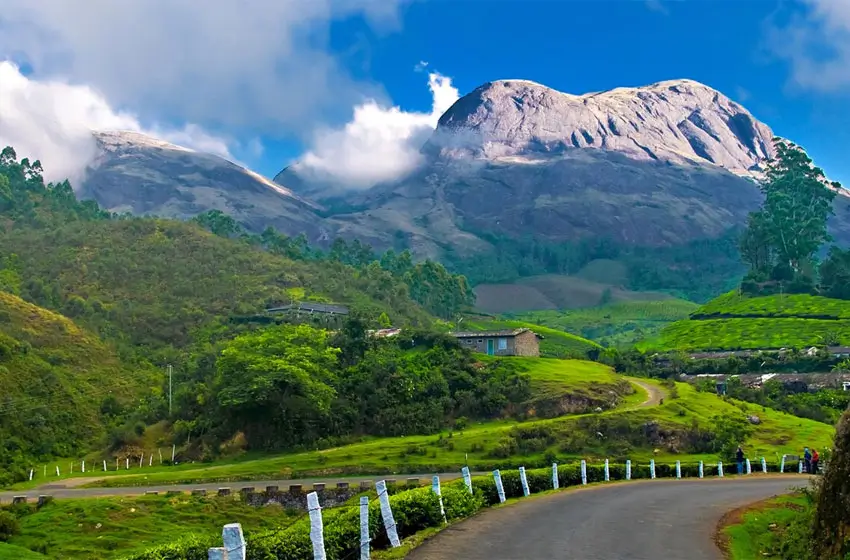
Madurai - Munnar - Thekkady - Alleppey - Kochi
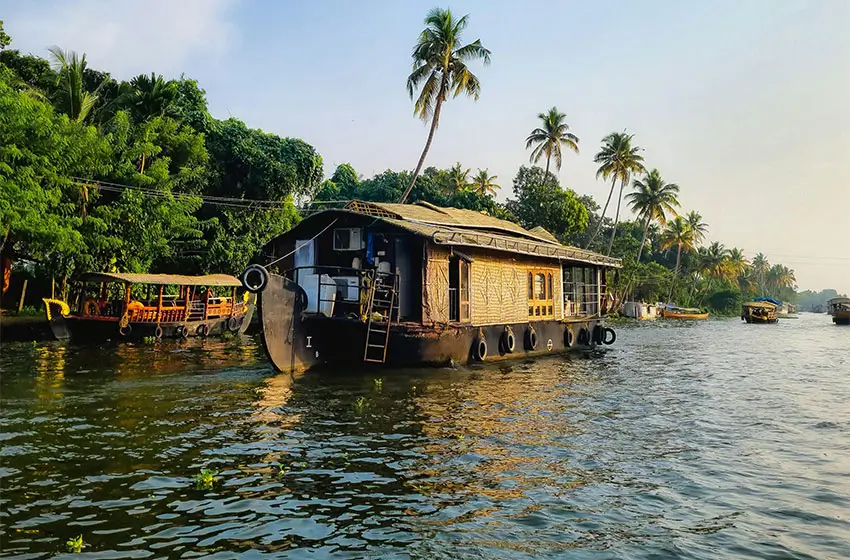
Bengaluru - Mysuru - Wayanad - Coorg - Kochi - Alleppey - Kumarakom - Madurai - Thanjavur - Puducherry - Chennai - Mahabalipuram - Chennai