
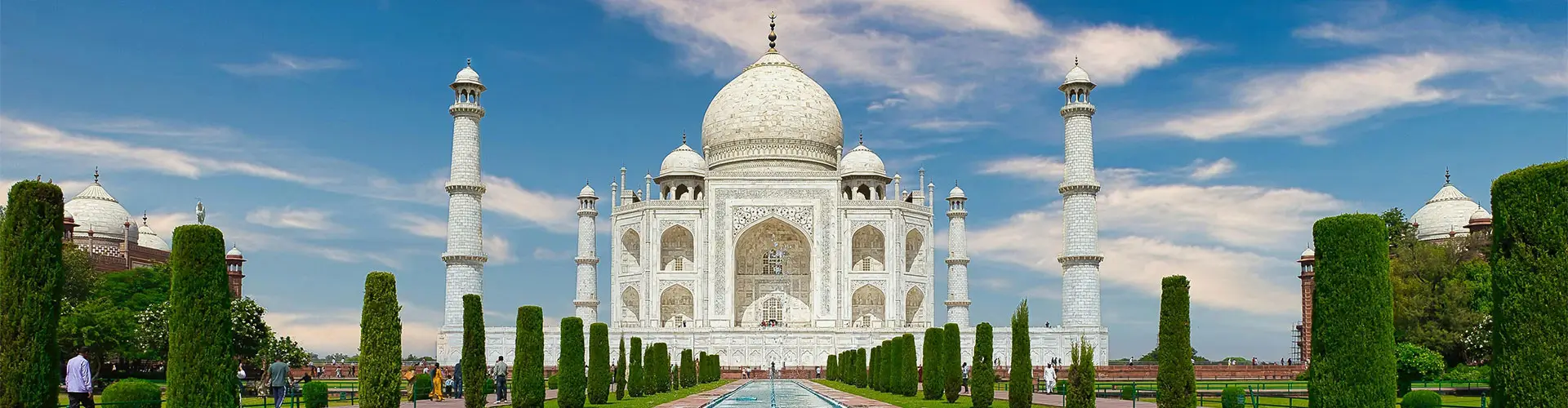
India’s textile traditions are not preserved in museums alone - they live within families, workshops, and village communities where skill passes quietly from one generation to the next. This journey follows the hands, looms, and stories behind some of the subcontinent’s most celebrated fabrics. Moving from imperial cities to artisan towns, the route connects embroidery courts, weaving villages, and historic trade centers. Designed for travelers with a serious interest in craft heritage, the itinerary offers rare access to master artisans, working studios, and regional textile ecosystems shaped by history and geography.
Arrive in Delhi, where centuries of trade, empire, and craftsmanship intersect. After a private transfer to your hotel, the remainder of the day is designed to ease international travelers into India’s rhythm. Delhi’s layered past provides an ideal starting point for understanding how textiles evolved alongside royal patronage and commerce.
In the evening, enjoy a welcome dinner that introduces regional flavors and cultural context. Conversations focus on the journey ahead, outlining how embroidery, weaving, and dyeing traditions developed differently across regions while remaining interconnected through trade routes.
Begin the day at the National Crafts Museum, one of India’s most important repositories of traditional arts. Galleries showcase textiles from across the country, offering a visual framework for the techniques you will later encounter firsthand. Attention is given to regional differences in fibers, motifs, and weaving structures.
By evening, transfer to the airport for a short flight to Lucknow. Upon arrival, check into your hotel and settle into a city once known as the refined cultural capital of Awadh. The atmosphere shifts noticeably, reflecting Lucknow’s legacy of elegance and craftsmanship.
Today is dedicated to Chikankari, Lucknow’s most celebrated embroidery tradition. Visit artisan homes and workshops where delicate white-on-white embroidery is practiced using stitches refined over centuries. The process emphasizes restraint, balance, and precision rather than ornamentation.
You observe artisans working on muslin and fine cotton, learning how stitch density, spacing, and thread tension create texture and depth. Conversations reveal how Chikankari evolved under Mughal patronage and continues to adapt within modern fashion while retaining its core identity.
Continue deeper into Lucknow’s embroidery heritage with a focus on Munda work, a complementary technique that adds subtle structure and relief to textiles. Workshops demonstrate how layered stitching enhances durability while maintaining visual softness.
The day emphasizes artisan lineage, highlighting families who have practiced embroidery for generations. Discussions explore the challenges of sustaining handmade traditions in contemporary markets, offering insight into the economic and cultural realities behind luxury textiles.
Travel from Lucknow to Agra by express train or private drive, passing through landscapes shaped by agriculture and trade. The transition mirrors a historical shift from Awadhi refinement to Mughal imperial expression.
In the evening, visit the Taj Mahal as daylight softens the marble surface. While not a textile site, the monument provides essential context, illustrating the Mughal aesthetic that influenced embroidery, metalwork, and courtly fashion across northern India.
Spend the day immersed in Zardozi, a luxurious embroidery technique using gold and silver threads. Visit specialist workshops where artisans demonstrate couching, padding, and metallic thread manipulation once reserved for royal garments and ceremonial textiles.
Hands-on observation reveals the physical intensity behind the craft, where precision and endurance define quality. The experience highlights how Zardozi bridged textile and jewelry traditions, creating surfaces that conveyed power, wealth, and ritual importance.
Depart Agra and drive toward Jaipur, stopping en route at the Abhaneri stepwell. This architectural detour offers insight into how water management supported trade and settlement along historic routes.
Arrive in Jaipur by evening and check into your hotel. The city’s planned layout and vibrant craft culture mark a shift toward color, geometry, and community-based production. Evening remains relaxed in preparation for the intensive craft experiences ahead.
Begin exploration of Rajasthan’s textile traditions with a visit to Bagru village. Here, hand block printing is practiced using natural dyes and carved wooden blocks. The process unfolds step by step, from fabric preparation to dye application and sun drying.
Artisans explain how motifs reflect regional symbolism and environmental conditions. The experience emphasizes rhythm and repetition, illustrating how consistency and patience define high-quality block-printed textiles.
The day begins with an introduction to Jaipur’s Blue Pottery tradition, a craft distinct from textile making yet deeply connected to the city’s artisan ecosystem. Workshops demonstrate how quartz stone powder, glass, and natural pigments replace clay, resulting in the signature blue-and-white surfaces. The process reveals how foreign techniques were absorbed and localized over centuries.
Later, discussions focus on Jaipur’s role as a planned craft city, where guilds and neighborhoods supported specialization. Time is reserved to observe how contemporary designers collaborate with traditional workshops, ensuring continuity without diluting technique.
Travel from Jaipur to Tonk, entering a quieter rural landscape where wool-based crafts remain central to household economies. Namda felting involves layering raw wool, moisture, and pressure to create dense, insulating textiles traditionally used as floor coverings and blankets.
Artisans demonstrate how geometric patterns are embedded during the felting process rather than added afterward. The experience highlights physical labor, teamwork, and rhythm, offering a contrast to the delicacy of embroidery-based traditions encountered earlier in the journey.
Depart Jaipur by train for Kota, following routes historically used to transport textiles across northern India. The changing terrain signals a shift from dyeing and surface decoration to structural weaving traditions.
Upon arrival, settle into your hotel and receive an introduction to Kota Doria, a fabric defined by its distinctive square-check pattern. Evening discussions outline how cotton and silk yarns are combined to create lightweight yet durable textiles suited to warm climates.
Spend the day in Kaithun village, the heart of Kota Doria production. Visit loom houses where weaving is integrated seamlessly into domestic life. The sound of looms sets a steady tempo, reflecting a tradition maintained through routine rather than ceremony.
Artisans explain how transparency, yarn tension, and grid accuracy define quality. Observation emphasizes structural discipline, where even minor deviations affect the final fabric. The visit reinforces how precision underpins understated elegance in woven textiles.
Travel from Kota to Indore by road or flight, moving into central India’s historic textile corridor. The landscape changes subtly, marked by river systems and fertile plains that supported cotton cultivation and dyeing traditions.
Upon arrival, the evening remains relaxed, allowing time to prepare for the Maheshwar segment. Conversations preview Maheshwari textiles, emphasizing royal patronage and river-based weaving economies that distinguish the region’s craft identity.
Drive to Maheshwar, a town shaped by the Narmada River and Maratha royal influence. Visit weaving communities situated near the riverbanks, where Maheshwari saris are produced using silk and cotton blends.
Artisans demonstrate how reversible borders and restrained color palettes define the textile’s identity. The proximity to water supports dyeing and washing processes, reinforcing the relationship between geography and craft. The environment encourages quiet observation rather than instruction-led learning.
Begin the final day with a reflective walk along the river, observing how daily life and weaving routines align with the flow of the Narmada. The simplicity of the setting contrasts with the sophistication of the textiles produced here.
Later, transfer to Indore for a flight to Mumbai, marking the conclusion of the journey. As international departures follow, travelers carry forward an understanding of Indian textiles not as products, but as living systems shaped by place, people, and patience.
Enquire now and connect with a dedicated Travel Expert who will respond within 24 hours to begin crafting your private journey.

Dev
Travel Expert
12+ yrs experience

Have a look at our original experiences and then contact us with your questions, or call +91-9351360903

Our Experts will send you a detailed holiday itinerary specified to your desires. It's our service promise to you.

Tailor-made doesn't mean expensive! Ask about our price promise and book with financial security.
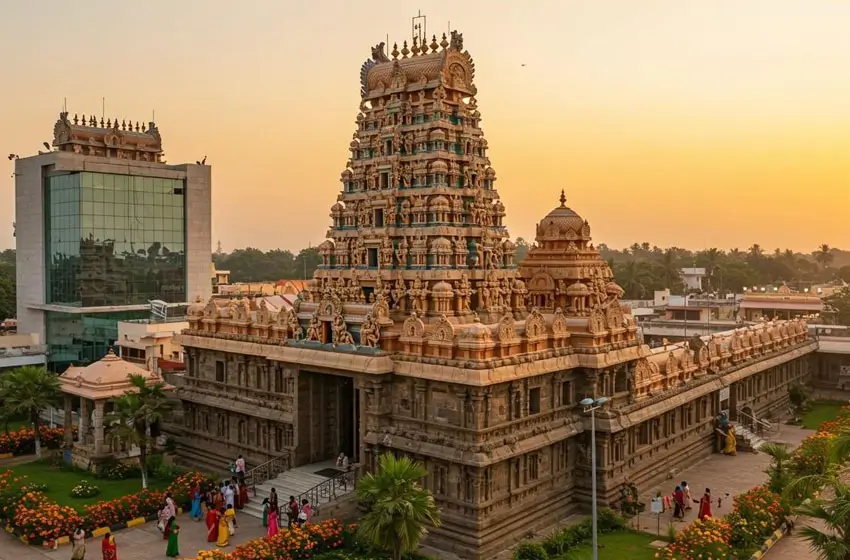
Chennai - Tirupati - Mahabalipuram - Kanchipuram - Puducherry - Thanjavur - Madurai - Rameshwaram - Kanyakumari - Kovalam - Trivandrum
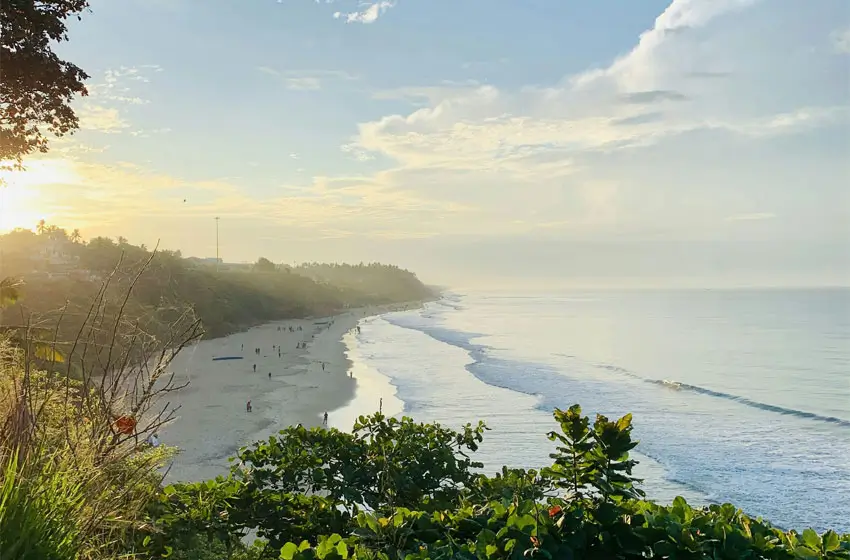
Kochi - Munnar - Thekkady - Kumarakom - Varkala - Trivandrum
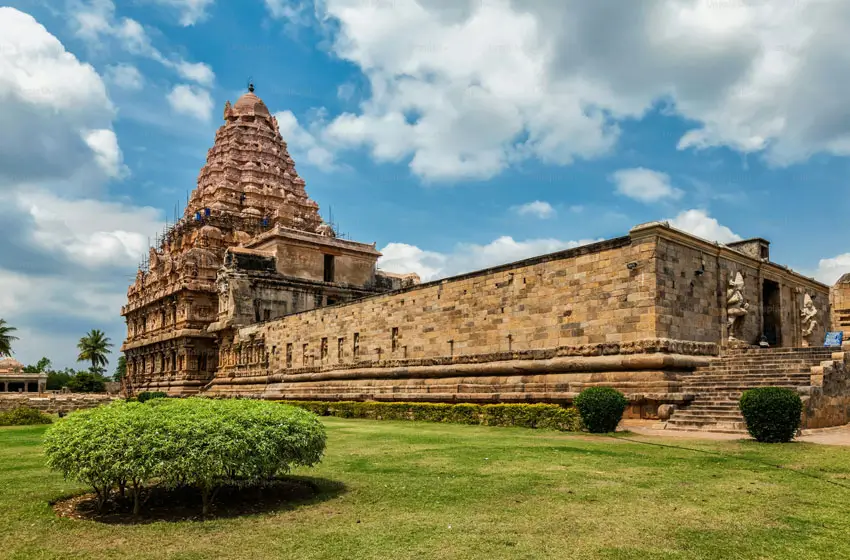
Chennai - Pondicherry - Thanjavur - Chettinad - Madurai - Thekkady - Alleppey - Kochi
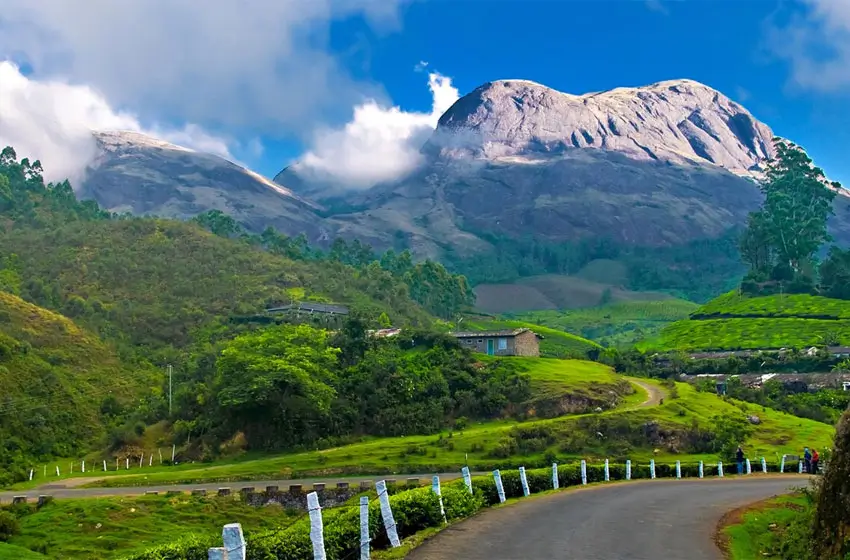
Madurai - Munnar - Thekkady - Alleppey - Kochi
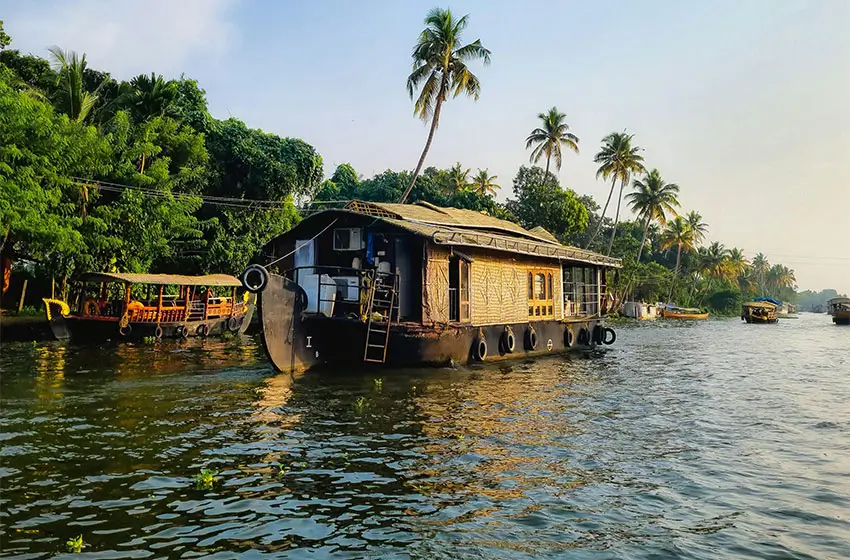
Bengaluru - Mysuru - Wayanad - Coorg - Kochi - Alleppey - Kumarakom - Madurai - Thanjavur - Puducherry - Chennai - Mahabalipuram - Chennai